

Lakeland, Florida
Homes for rent and for sale — search the map or open the full city SEO catch-all page.
Lakeland, Florida
Lakeland, FL, offers a strategic, lake-filled location along the I-4 corridor, making it an increasingly popular choice for those seeking a Central Florida base between Tampa and Orlando. While rent currently remains below the national average, the city is experiencing rapid growth, which is driving up housing demand and overall living expenses. Prospective residents should approach the move by prioritizing an address-level analysis of traffic commute times, utility providers, and flood zone exposure. Given the gap between local wages and rising costs, the most successful movers are often remote workers or those commuting for higher-paying roles in the larger nearby metros who rent first to fully vet their specific neighborhood before committing to a purchase.
Moving to Lakeland Florida? Here’s the Honest Answer First

Moving to Lakeland can be a smart move if you want a fast-growing Central Florida city sitting right on the I-4 corridor between Tampa and Orlando, with 38 named lakes inside the city limits and rent that still runs below the national average. But let’s be straight with you: Lakeland isn’t a cheap hidden gem anymore. Costs have climbed, and the smart play is to run the numbers before you sign anything.
This guide is for renters and movers weighing a real decision. We’ll walk you through what it actually costs to live here, what the commute feels like, how to check flood risk and utilities by address, and whether it makes sense to rent before you buy. Lakeland has a humid subtropical climate and a comfortable, lake-dotted feel, and the rent-first approach is the through-line we’ll keep coming back to.
Where Is Lakeland, FL, and Why Its Central Location Matters
Lakeland FL sits in Polk County as part of the Lakeland-Winter Haven metro, planted squarely on the I-4 corridor that links Tampa to the west and Orlando to the east. That location is the whole pitch for a lot of people who move to Lakeland. You get reasonable access to two major job markets without paying big-metro housing prices.
The catch is I-4 itself. During peak hours, traffic congestion on that stretch is real, and plenty of Lakeland residents commute to larger cities for work. So the central location cuts both ways: it opens up more jobs, but it can also add serious time to your day if you’re driving into Tampa or Orlando at rush hour. Keep that tension in mind as you read on.
Lakeland at a Glance: Population, Growth, and Demographics
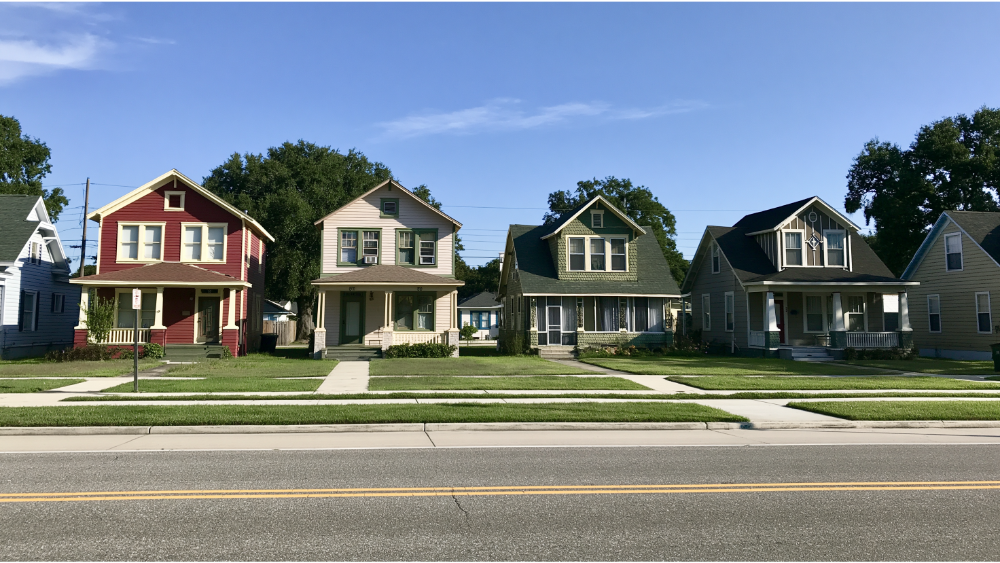
Lakeland’s city population was an estimated 125,520 as of July 1, 2025, up 11.5% since the 2020 base. The wider Lakeland-Winter Haven metro hit 874,790 in 2025, climbing steadily year over year. This population growth is easy to feel, and you’ll see it in new developments and busier roads. The demographics here span a wide range of ages, with a median age in the late 30s, and a growing share of residents who identify as two or more races. Population density stays moderate, with a few thousand people per square mile, which keeps the city from feeling packed.
What sets the daily feel apart is water. Lakeland has 38 named lakes inside city limits, with Lake Parker the largest at 2,272 acres. Add in parks and recreational areas throughout town, and you get a car-forward, suburban Central Florida city with a distinct lake character. Newer neighborhoods keep filling in on the south and north edges of town, while the center holds its footing. South Lakeland and north Lakeland each carry their own feel, so it’s worth touring both. It’s not a dense urban core, and it’s not sleepy either. It’s a place that’s filling in and spreading out at the same time.
What Does It Cost to Live in Lakeland? Living Expenses and Budget Realities
Lakeland’s cost of living index sits around 94.6, just under the national baseline, and the median household income was about $64,185 (Census, 2020-2024). Florida charges no state income tax, which is a genuine plus for your take-home pay. But budget carefully for insurance: homeowner and renter coverage runs higher in Florida than in many states, and that living expense catches new arrivals off guard.
Here’s a useful yardstick. The City of Lakeland defines affordable housing as costing no more than 30% of your income. Pay more than that and you’re considered cost-burdened; more than 50% and you’re severely cost-burdened. The area median income for a family of four was listed at $83,900, effective June 1, 2026. Before you fall for a listing, run your full monthly picture through the KT Rents Cost of Living Calculator so you know where you land against that 30% line.
How Much Is Rent in Lakeland, FL?
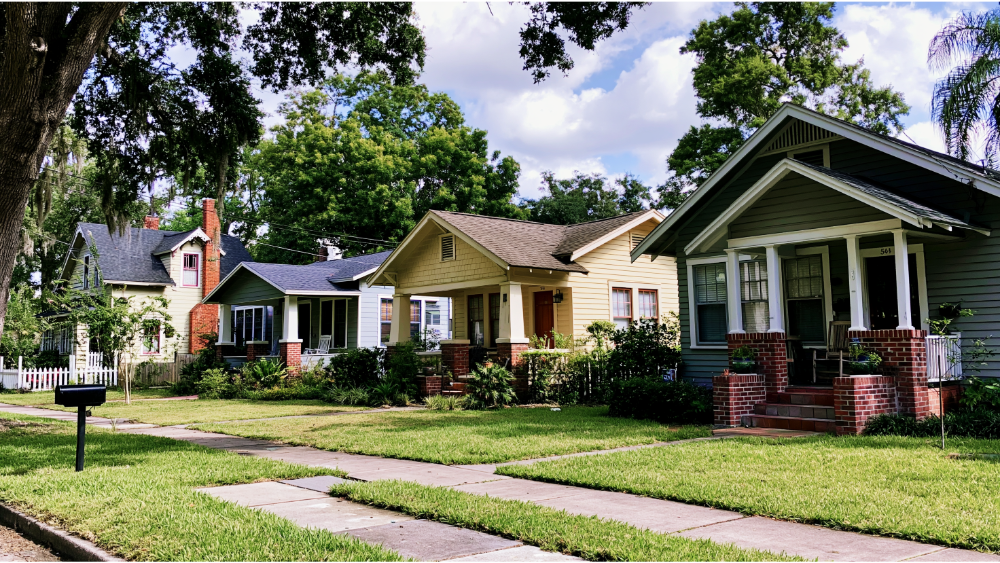
Rent depends heavily on the source and the moment. The Census median gross rent for 2020-2024 was $1,395. A current rental tracker put the average at about $1,755 across all bedrooms and property types as of July 12, 2026, with roughly 651 available rentals and rent about 12.9% below that source’s national average. With Lakeland compared to Orlando, where rents run materially higher, Lakeland’s value case holds up for now.
Don’t stop at the headline rent number. The extras add up fast:
- Utilities (electric, water, wastewater, trash)
- Pet fees and pet rent
- Parking, where it applies
- Renters insurance
- Lawn care, if you rent a single-family home
Get your rental application ready early so you can move when the right place appears. Use the KT Rents Rent Calculator and browse listings to see what your budget actually buys.
Should You Rent or Buy First When Moving to Lakeland?
For most new arrivals, renting first is the sensible play. Lakeland’s owner-occupied rate is 56.4%, the Census median home value is around $249,400, and the metro median listing price hit $335,000 in June 2026. The FHFA house price index for the metro keeps climbing, which means buying blind before you know the area is a real risk.
Rent for six to twelve months and you get to test the commute, learn which of the many neighborhoods fits your life, and verify flood risk at a specific address before you commit hundreds of thousands of dollars. When you’re genuinely ready to buy, run the math through the KT Rents Rent vs. Buy Calculator and the Mortgage Calculator. Let the numbers make the call.
Jobs and the Lakeland Job Market: Wages, Employers, and Unemployment Rate
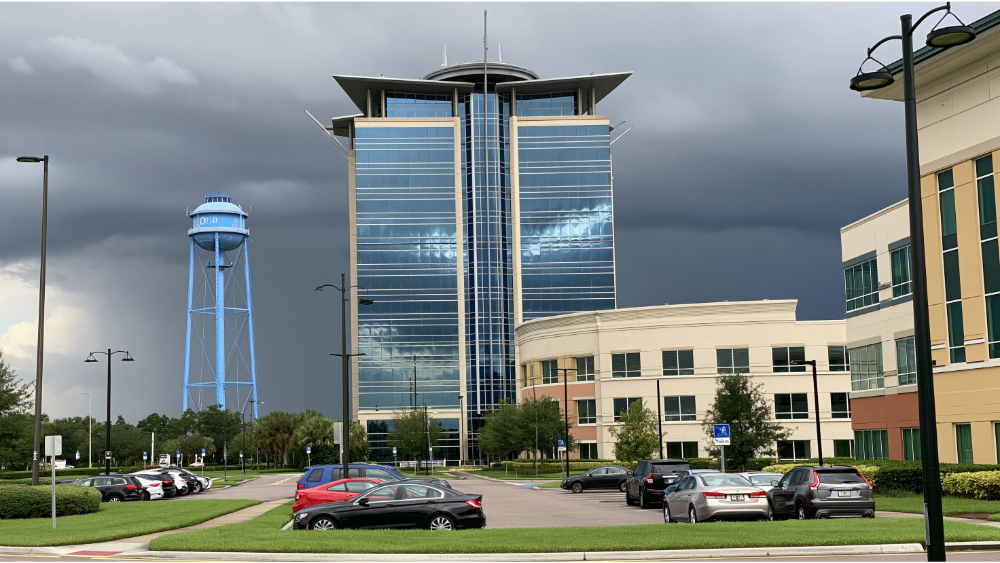
The Lakeland-Winter Haven metro unemployment rate was 5.5% in May 2026 (preliminary), with total nonfarm employment at 283,900. Publix is the area’s largest employer. The local economy leans heavily on logistics and transportation, with 40,480 transportation and material moving jobs making up 15.3% of metro employment in May 2025, well above the 8.8% national average share. Healthcare and tech are growing too, adding to the area’s job growth.
Now the honest part. The local mean hourly wage was $27.44 in May 2025, compared with $33.54 across the country. That gap between local wages and rising rent matters, especially if you’re a single-income renter. Remote workers and people commuting to Tampa or Orlando for higher-paying jobs change the affordability math entirely. If your income comes from outside the local market, the numbers work a lot better for you.
Commuting: Lakeland, I-4, Tampa, and Orlando
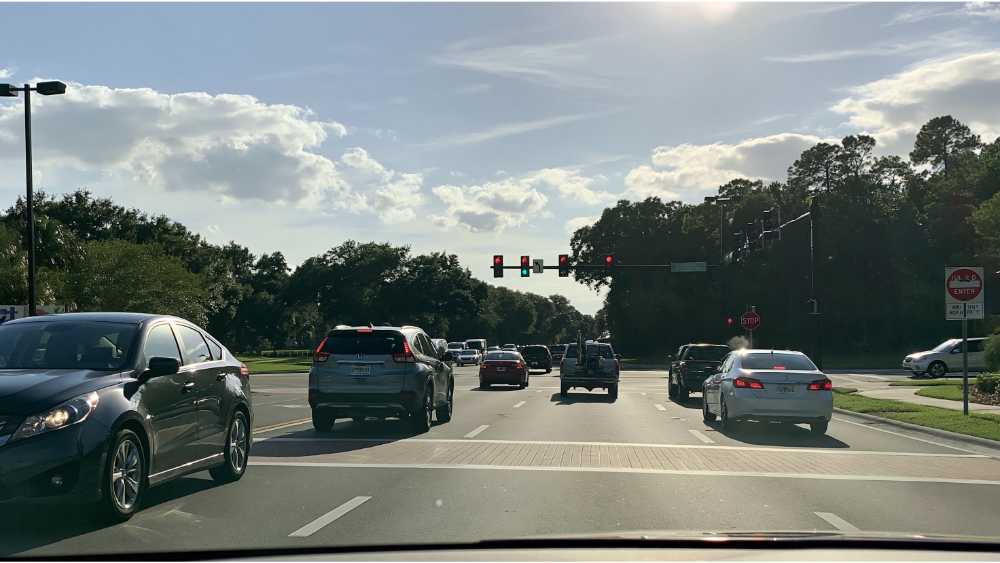
The mean travel time to work for Lakeland residents is 23.1 minutes (Census), and some trackers put it closer to 21. That’s reasonable if you work locally, and it beats the average in most cities of similar size. The picture shifts when you’re driving the I-4 corridor into Tampa or Orlando, where peak-hour congestion can stretch your day well past what a map estimates.
One piece of advice we’d give anyone: test your actual commute at real travel times before you sign a lease. Drive it on a weekday morning and evening. A rental that looks perfect on paper can lose its shine after two weeks of stop-and-go traffic. Lakeland is a car-forward city, so your commute is a daily reality, not a footnote.
Getting Around: Public Transportation, Biking, and Walkability
Public transportation exists here, but set your expectations. Citrus Connection, run by the Lakeland Area Mass Transit District, provides fixed-route bus service and paratransit for eligible riders, and there’s an Amtrak station in the city. That said, Lakeland is built around cars, not transit. Public transportation covers the main corridors, so if you’re coming from a walkable transit city, plan on driving for most trips.
On the lifestyle side, there’s more going for you. The city has bike trails, kayaking and canoeing on the lakes, and a revitalized downtown Lakeland with shops and restaurants you can actually walk between.
Palace Pizza, Coffee Shops, and the Downtown Food Scene
Grab a slice at Palace Pizza while you explore the core on foot, then linger at one of the coffee shops that give downtown its rhythm. The food ranges from casual counters to fine dining, so a date night and a quick lunch both fit. Downtown is the one pocket where car-free living, and even a short bike ride, feels natural, and it’s the one side of the city where you can park once and wander.
Lake Parker Park, Hollis Garden, and Lakeland’s Outdoor Lifestyle
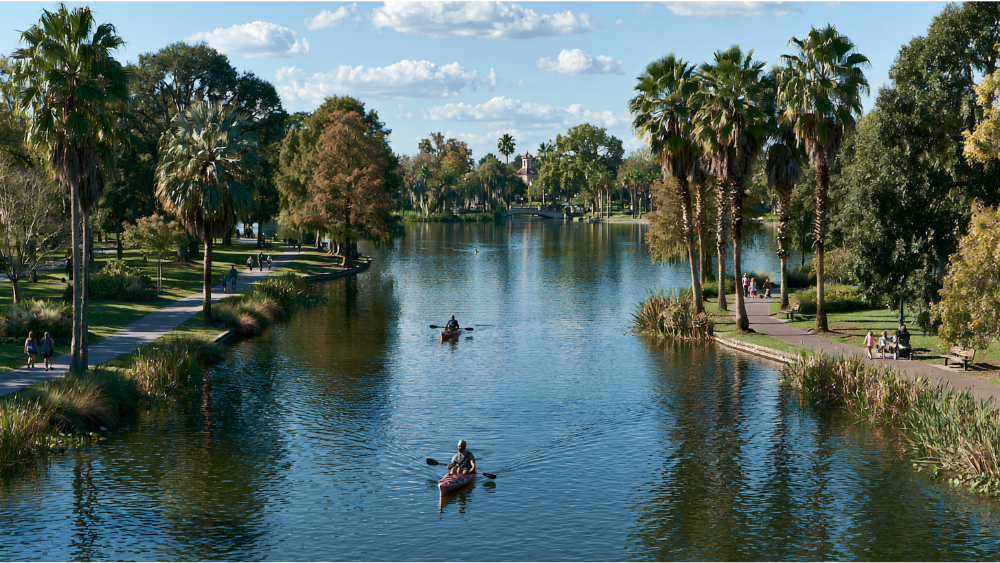
This is where Lakeland earns its fans. Lake Parker Park spans more than 100 acres, Hollis Garden offers a downtown botanical garden right on the water, and parks with playgrounds and open fields are scattered across town. The lakes aren’t just scenery, either. Residents get out on them to kayak and canoe, and the bike trails give you a way to stay outside year-round. Take a weekend to explore the shoreline paths and see how the parks connect.
Downtown has become a genuine gathering spot, with local food places and shops that give the area a feel-like-a-local pulse rather than a strip-mall sameness. Publix anchors grocery runs for most households. Daily life here leans on the outdoors, the parks, and the lakes, which is exactly the kind of community that draws a lot of people away from bigger, denser metros nearby. For a family that wants room to breathe and a great place to spend weekends outside, that combination is hard to beat.
Weather, Hurricanes, and Flood Risk: What to Check Before You Sign
Lakeland’s humid subtropical climate means hot, wet summers and mild winters. The annual mean temperature is 73.9°F, August peaks around a normal max of 92.2°F, and January stays comfortable near a 62°F mean. It rarely gets truly cold here, so heating bills stay low. Hurricane season runs June 1 through November 30, and it’s part of living here.
Flood risk is address-specific, and this is where diligence pays off. All storm drains in Lakeland empty to lakes, ponds, and waterways through roughly 348 miles of storm sewer pipe and 11,776 storm inlets. Two homes on the same street can carry very different flood exposure. Before you lease or buy, check the exact address on the FEMA Flood Map Service Center, ask about flood insurance, and confirm drainage and hurricane prep for that specific property.
Utilities and Move-In Setup in Lakeland
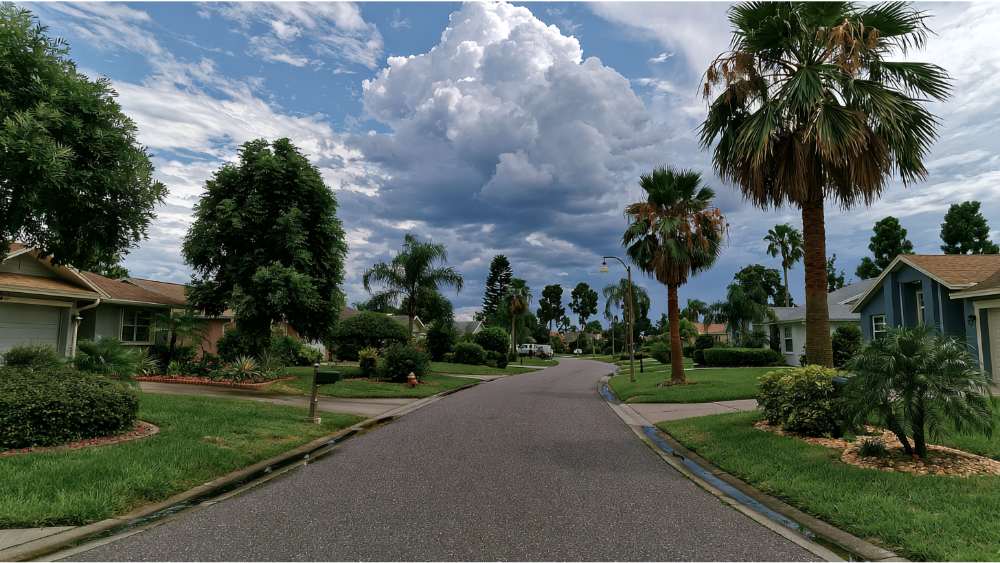
Sorting utilities before move-in day saves headaches. Use the City of Lakeland Utility Services Hub to confirm, by address, whether your place is served by Lakeland Electric (one of Florida’s largest publicly owned electric utilities), city water, and wastewater. Solid waste service typically covers weekly garbage, recycling, and yard-waste collection.
The city’s utility map on the official website gives you an address-specific snapshot and the next steps to start service. Add it to your checklist: verify utilities by exact address before you move in, so nothing goes dark on your first night.
Florida New-Resident Checklist: License, Registration, and Insurance
These are Florida rules, not national ones, so treat them accordingly:
- Driver license: Get a valid Florida license within 30 days of establishing residency if you’ll drive on Florida roads.
- Vehicle insurance, title, and registration: Secure insurance through a Florida-licensed agent and title and register your vehicle within 10 days of establishing residency.
- State income tax: Florida doesn’t have one, so there’s no state income-tax filing to worry about.
- Insurance questions: Line up renters insurance, and resolve any flood insurance questions before your lease starts.
Schools and Address-Specific Research in Polk County

Polk County Public Schools serves more than 117,000 students across over 120 schools. Healthcare access is also solid, with hospitals and clinics spread across the metro. School assignment in Florida is tied to your address, not a general area, so a neutral rule works best here: if school assignment matters to your move, verify the exact address through the district’s official school-zone tool before you apply or buy. That’s the only reliable way to know which school a home is assigned to.
Pros and Tradeoffs of Moving to Lakeland Florida
| Pros | Tradeoffs |
|---|---|
| Central Florida access to Tampa and Orlando via I-4 | Growth pressure and rising housing costs |
| 38 lakes plus abundant parks and outdoor life | I-4 traffic during peak hours |
| Growing metro with a strong logistics base | Car dependence, limited public transportation |
| Rent below the national average in current trackers | Local wages lag the national average |
| No Florida state income tax | Higher insurance and address-specific flood diligence |
The short version: Lakeland Florida is a solid choice and a good place to settle if you value outdoor living and Central Florida access, and if your income can absorb rising rent and Florida insurance. Go in with clear eyes on traffic and the wage picture.
How KT Rents Helps You Move to Lakeland Smarter
KT Rents is a nationwide, broker-owned, full-service real estate platform in business since 2009, with 16-plus years of helping renters and owners move smarter across the U.S. We’re not a local Lakeland office, and we’re honest about that. What we do bring is the toolkit: our Rent Calculator, Rent vs. Buy Calculator, Mortgage Calculator, and Cost of Living Calculator, plus listings, online rental applications, rent payment, and maintenance request support once you’re settled. As we like to put it, run the numbers, test the commute, and check the flood map before you fall in love with a listing. Se Habla Español. Start browsing and comparing at ktrents.com.
Frequently Asked Questions
Is Lakeland Florida a good place to live?
For many renters and remote workers, yes, it’s a good place to land. You get Central Florida access, 38 lakes, and rent below the national average in current trackers. Just budget honestly for insurance and rising living expenses, since it’s no longer a cheap hidden gem.
How much is rent in Lakeland, FL?
The Census median gross rent for 2020-2024 was $1,395, while a July 2026 tracker put the average around $1,755 across all bedroom counts and property types. Your actual cost depends on size, location, and extras like utilities and pet fees.
Should I rent or buy first when moving to Lakeland?
Renting for six to twelve months usually makes sense for new arrivals. It lets you test the commute, learn the neighborhoods, and verify flood risk before committing. Run the KT Rents Rent vs. Buy Calculator when you’re ready to decide.
Does Lakeland flood?
Flood risk is address-specific because the city’s stormwater drains to lakes and waterways. Check the exact address on the FEMA Flood Map Service Center and ask about flood insurance before you lease or buy.
What Florida paperwork do I need after moving?
Get a Florida driver license within 30 days of establishing residency, and handle vehicle insurance, title, and registration within 10 days through a Florida-licensed agent. Florida has no state income tax, so there’s no state filing.