

Ocala, Florida
Homes for rent and for sale — search the map or open the full city SEO catch-all page.
Ocala, Florida
Ocala, FL, remains a high-growth, inland Central Florida destination that balances an affordable cost of living—roughly 5% below the national average—with the lifestyle benefits of being the “Horse Capital of the World.” As of July 2026, the city offers a compelling option for remote workers and retirees, though prospective residents must carefully navigate the local wage-to-rent gap, as local employment pay often trails the national average. Because Ocala is highly car-dependent and infrastructure is currently strained by rapid population growth, movers should verify commute times and broadband fiber availability by specific address rather than city-wide averages. Always factor in Florida’s rising property insurance costs and seasonal flood risks when budgeting for your move.
Moving to Ocala Florida can be a smart move if you want an affordable, growing Central Florida city with springs, outdoor space, and a slower pace than Orlando or Tampa. But smart means doing the math before the moving truck shows up. The cost of living in Ocala runs a little below the national average, yet local wages do too, so the question isn’t just whether Ocala FL is cheap. It’s whether it’s cheap for your income. This guide is for renters, remote workers, and rent-vs-buy shoppers moving from anywhere in the U.S. Your rental, your way, once you’ve run the numbers.
Should You Move to Ocala? The Quick Answer

Two ideas do most of the work in this article. First, “affordable” and “affordable for your income” are different things. Ocala’s overall price level sits a bit under the national average, but the local mean wage is well below the U.S. average, so a paycheck earned in Ocala doesn’t stretch as far as the low sticker prices suggest. Second, the rent number you see depends on where it comes from. Census median rent, HUD Fair Market Rent, and live asking rent are three separate figures, and confusing them will wreck your budget.
Ocala fits well if you’re a remote worker, a retiree, an outdoor lover, or someone who wants to rent first and learn the area. Living in Ocala rewards people who value small town charm and natural beauty over a nonstop calendar. Pause and do more homework if you’re relying on local wages or you need big city nightlife on a weeknight.
Ocala at a Glance: A Fast-Growing Central Florida City
Ocala is an inland Central Florida city, roughly between the larger metros, and it’s growing fast. The city had an estimated 71,753 residents as of July 1, 2025, up 12.7% since 2020. Surrounding Marion County reached about 442,660, up 17.8% over the same stretch. Ocala is the county seat, so that county growth shows up in traffic, housing demand, and services. That population growth, close to Orlando, Tampa, and Gainesville, is a big part of why so many people keep moving to Ocala Florida. The median age here skews a little older than the national figure, thanks in part to steady retirement interest.
This is horse country. Ocala calls itself the Horse Capital of the World, and the World Equestrian Center, one of the largest equestrian complexes in the U.S., anchors that identity. The equestrian culture here shapes everything from the scenery to the local events calendar, with rolling horse farms defining the landscape and the equestrian industries feeding jobs across the county. The climate is humid subtropical, with humid summers and mild winters. And while traffic has picked up with the growth, it’s still less congested than Orlando or Tampa. Expect small town charm bumping up against big city growth pains.
How Much Does It Cost to Live in Ocala?
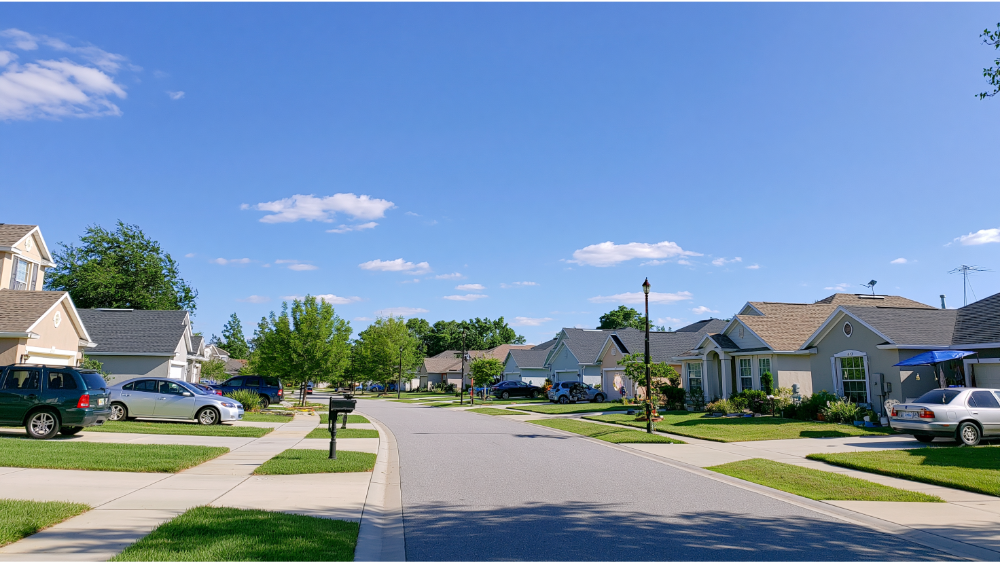
Start with the official measure. BEA’s regional price parity for the Ocala metro is about 95 (U.S. = 100), meaning overall prices run roughly 5% below the national level. Popular cost-of-living indexes score Ocala around 87, which reads as more dramatically cheap. The honest read is somewhere in between: affordable, but not a fire sale. What Ocala offers is a genuinely affordable cost of living paired with room to spread out, a rare balance for a growing metro.
Income tells the other half of the story. Census figures put median household income at $56,376 in the city and $61,010 in the county (2020-2024), though some sources cite lower numbers closer to $46,400. Treat it as varying by source. Florida also charges no personal income tax, a statewide benefit, not an Ocala perk. One real cost to watch: Florida homeowners insurance has climbed, which affects renters indirectly and buyers directly.
Before you commit, run your budget through our Cost of Living Calculator and Rent Calculator.
Housing Costs and Affordable Living: What Does It Cost to Rent in Ocala?
Three rent numbers get mixed up constantly, so here’s the plain version. Census median gross rent (2020-2024) was $1,359 in the city and $1,277 in the county. HUD’s 2026 Fair Market Rent for Marion County is $1,172 for a 1BR and $1,373 for a 2BR, but FMR is a subsidy program benchmark, not what landlords are actually asking. Live asking rent for a 1BR often lands around $1,325. These housing costs still read as affordable living by Florida standards, especially compared with coastal markets on the Gulf Coast and Atlantic Coast.
| Source | 1BR / typical figure | What it means |
|---|---|---|
| Census median gross rent | $1,277–$1,359 | Historical estimate, county vs city |
| HUD 2026 Fair Market Rent | $1,172 (1BR) | Subsidy benchmark, not asking rent |
| Live asking rent | ~$1,325 (1BR) | What’s actually listed today |
Prices swing by ZIP, too. HUD’s small-area rents show 34474 running noticeably higher than 34471, so compare specific areas, not “Ocala” as one price. Budget for upfront costs: application fees, a deposit, first month, pet fees where they apply, and utilities (summer AC bills add up in this heat).
Should You Rent or Buy in Ocala?
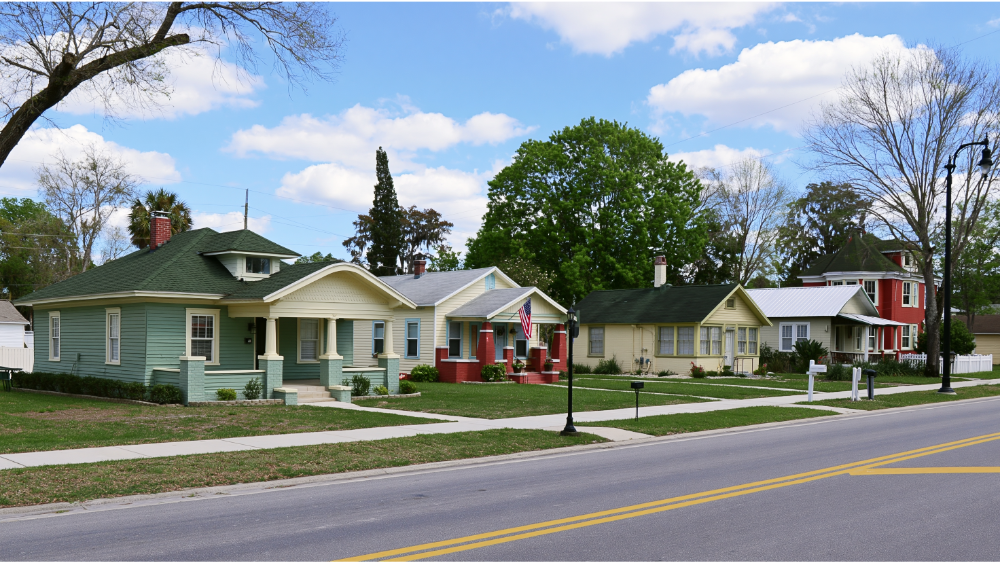
Census pegs the median home value near $241,400 in the city and $243,100 in the county (2020-2024), while live median asking prices sit closer to $270,000. Compared with much of Florida, that’s still a lower cost for a growing metro. Price is only the starting point. Factor in mortgage rates, property taxes, rising Florida insurance, maintenance, and any HOA or condo dues.
Our recommended stance: if you don’t know the area yet, rent first. Test the commute, live through a summer storm season, and get a feel for the neighborhood before you tie yourself to a mortgage. When you’re ready to compare, run the numbers through our Rent vs. Buy Calculator and Mortgage Calculator.
Jobs, Wages, and the Ocala Job Market
This is the reality check most relocation guides skip. The Ocala metro’s mean hourly wage was $26.58 in May 2025, against a U.S. average of $33.54. That gap is the whole story of the local job market. Ocala prices with Ocala pay is affordable. Ocala prices with remote or big-city income can feel like paradise. The local unemployment rate was around 5.5% in preliminary May 2026 data, up from 4.4% a year earlier, and it moves, so verify near your move date.
The Ocala job market leans on healthcare, logistics, manufacturing, and retail, with healthcare and distribution growing and major hospital systems among the top employers. The equestrian culture also feeds a steady stream of farm, veterinary, and event jobs that you won’t find in most cities this size. Florida’s minimum wage is $14.00 through late September 2026, then rises to $15.00. If you’re relying on local wages, line up the job before the truck is loaded. Because the area is genuinely remote work friendly, out-of-market income often makes the strongest case.
Daily Life: Driving, Utilities, and New-Resident Steps

Plan on driving. Ocala is car-dependent, spread out, and suburban in pace, with limited public transportation compared with major cities. The City of Ocala provides electric, water, sewer, stormwater, solid waste, fiber, and yard lights, mostly within city limits. Note that curbside recycling has changed, with residents directed to drop-off centers, so confirm the current setup before you sign.
New-resident basics to handle early:
- Get a Florida driver license within about 30 days of establishing residency.
- Register and insure your vehicle. Official FLHSMV pages list different timing (10 vs 30 days), so verify directly before moving.
- Confirm broadband. Fiber availability matters if you work remotely.
For daily life, the downtown historic district offers local restaurants and farmers markets that give the small town charm of the city some real texture. The Reilly Arts Center hosts concerts and shows for a taste of culture close to home. Families weighing schools will find both public school districts and private schools across Marion County, so check the specific catchment by address. That easygoing rhythm and Southern hospitality are part of why young families keep landing here.
Weather, Hurricanes, and Flood Prep
Ocala’s climate normals show an annual mean of 71.3°F and about 51.64 inches of rain a year. July and August highs sit near 92°F, winters stay mild with lows above 40°F, and afternoon thunderstorms roll through most days from May through September. Hurricane season runs June 1 through November 30. Marion County Emergency Management warns residents not to feel immune just because Ocala is inland.
Before you sign a lease or make an offer, check flood zones using the county’s Floodplain Finder or FEMA’s FloodSmart tools, and factor insurance into your budget. Inland lowers the risk. It doesn’t erase it.
What People Love About Ocala Living
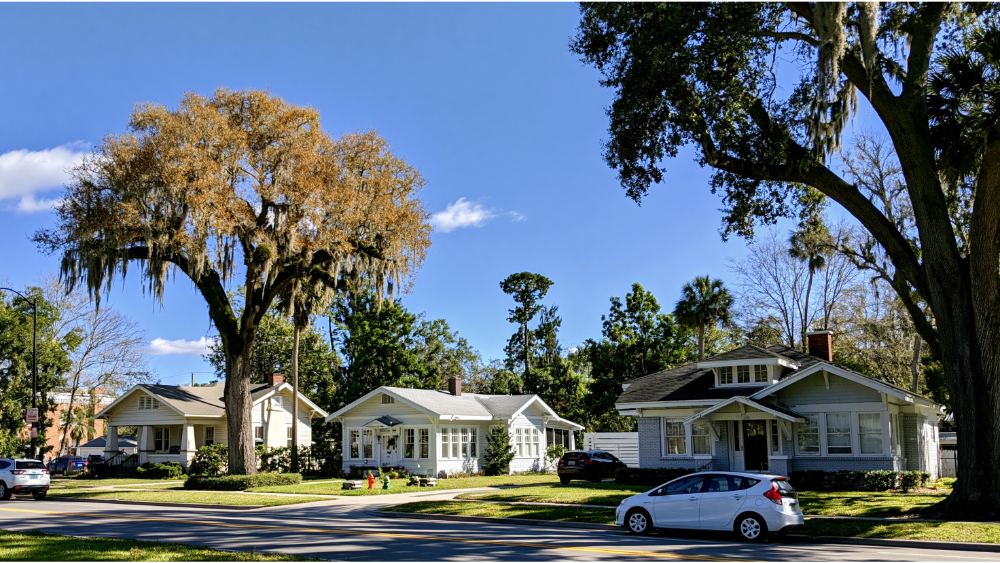
The payoff here is outdoor recreation. Silver Springs State Park runs glass-bottom boat tours over one of the largest springs around, open 8 a.m. to sunset every day of the year for an $8 vehicle fee. Nearby Rainbow Springs State Park adds crystal-clear paddling and swimming to the mix. The Ocala National Forest holds more than 600 lakes and rivers for swimming, fishing, paddling, and snorkeling, which makes weekend adventures easy to plan. Silver Springs itself is a signature draw. Add equestrian events at the World Equestrian Center, golf courses, parks, and fresh seafood trucked in from the coast, and Ocala living offers lower prices with more room to breathe than most coastal Florida markets. That relaxed pace is hard to find.
What to Think Twice About Before Moving to Ocala Florida
Fast growth strains roads and infrastructure, and traffic isn’t what it was a decade ago. The wage-to-rent gap is real for local earners. Nightlife is limited, so residents drive to Orlando, Gainesville, Daytona Beach, or other cities for bigger entertainment. Summer heat and daily storms take adjustment. And because prices and inventory shift by ZIP, don’t judge by reputation. Verify schools, commute times, and services by exact address before you commit.
Best Neighborhoods, Safe Neighborhoods, and Crime Rates: How to Compare Ocala Areas

Compare areas on facts you can measure, not stereotypes. To find the best neighborhoods for your situation, look at commute time, price range, property type, pet policy, parking, included utilities, lease terms, and access to parks and schools. Areas like Fore Ranch, Silver Springs Shores, and Marion Oaks are worth researching based on housing type and commute, and each offers different options and price points. Ocala is also home to active adult communities and retirement communities that suit an older median age. If safe neighborhoods and secure housing are a priority, pull the specific school district and review crime rates by address rather than by a neighborhood’s name. The right fit depends on your budget and daily routine, not assumptions. Following Fair Housing principles, we compare homes by measurable features, never by who lives there.
Why FL Ocala Earns Its Horse Capital of the World Title
Few places pack this much equestrian culture into an affordable package. As the self-described Horse Capital of the World, Ocala pairs horse farms and equestrian events with springs, forest, and small town charm. For renters weighing FL Ocala against pricier metros, that mix of natural beauty and lower housing costs is the real story.
How KT Rents Helps You Compare Options and Move Smart
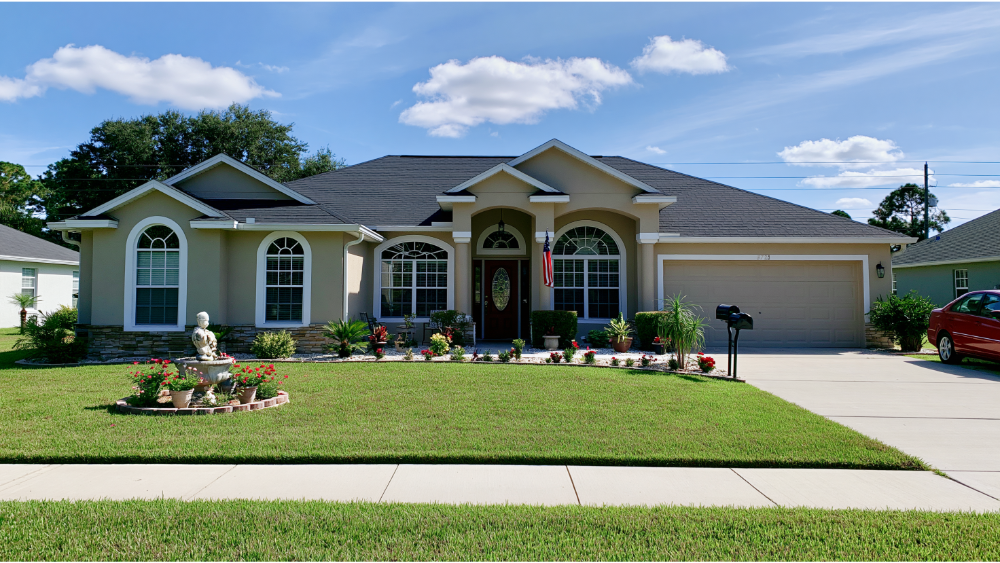
KT Rents is a nationwide, broker-owned, full-service rental and property platform that’s been at this since 2009, giving you 16+ years of experience behind every tool. We help movers browse our national rental marketplace, submit rental applications, pay rent online, and send maintenance requests through the owner and resident portal. There are tenant perks and discounts once you’re settled, plus calculators for rent, rent vs. buy, mortgage, and cost of living.
Ready to line up your options? Browse Rental Properties Near You, find your perfect home, or call (800) 716-4950 and we’ll help you compare before you pack. Se Habla Español.
Frequently Asked Questions About Moving to Ocala Florida
Is it worth moving to Ocala, FL?
Yes, if you want an affordable, growing Central Florida city with springs, outdoor space, and a slower pace. The small town charm, natural beauty, and central location are real draws. Just plan around below-average local wages and summer storm season before you commit.
What salary do you need to live in Ocala, Florida?
It depends on your rent and lifestyle, but the local mean wage of $26.58/hr (May 2025) sits below the national $33.54, so budget carefully. Remote or out-of-market income changes the math in your favor. Run your numbers through our Cost of Living Calculator.
How much does it cost to rent in Ocala?
A 1BR often lists around $1,325, with prices swinging by ZIP. Census median gross rent was $1,359 (city), and HUD’s 2026 Fair Market Rent is a separate subsidy benchmark, not asking rent. Ocala offers affordable housing relative to most of Florida.
Does Ocala get hurricanes?
Yes. Hurricane season runs June 1 through November 30, and while inland Ocala faces less risk than the coast, county officials warn it isn’t immune. Check flood zones and insurance before signing.
Is Ocala good for remote workers?
It can be. Fiber is available in parts of the city, prices run below the national average, and outdoor adventures are close. Remote income paired with Ocala’s lower cost of living is where moving to Ocala FL makes the most sense.