

Narragansett, Rhode Island
Homes for rent and for sale — search the map or open the full city SEO catch-all page.
Narragansett, Rhode Island
Moving to Narragansett, Rhode Island means settling into a coastal New England town about 30 to 40 minutes south of Providence, where year-round population sits at 14,291 and median home values reach $743,500. Roughly 32% of housing is seasonal, so securing a true yearly lease is the single most important step before you commit. Costs run about 14% above the U.S. average, and flood insurance is a real budget line, not an afterthought.
Moving to Narragansett Rhode Island
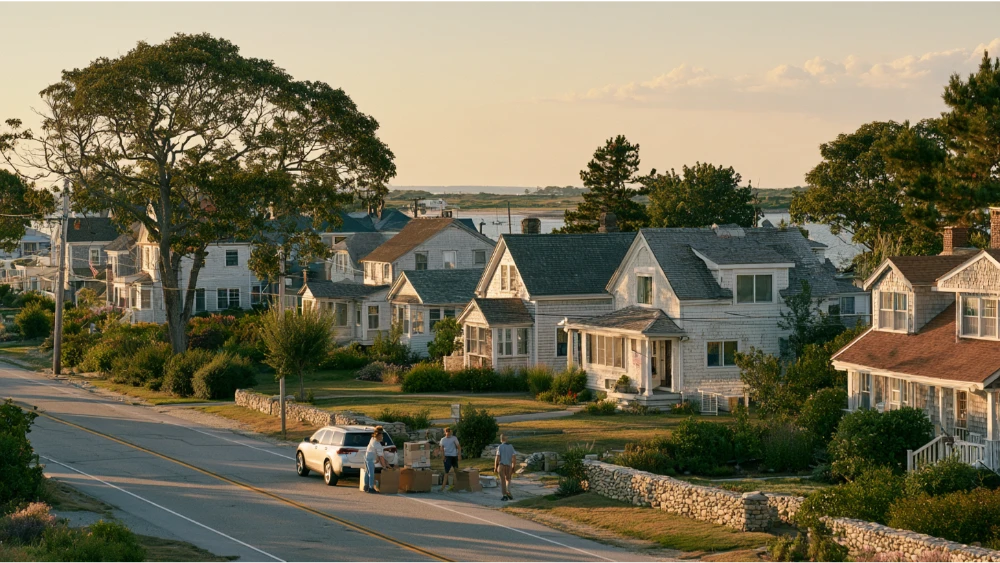
Moving to Narragansett Rhode Island means trading city pace for a coastal New England town about 30 to 40 minutes south of Providence, with real beaches along the Atlantic Ocean, a working fishing port, and a tight community of year round residents. The beaches are genuine. So are the high home prices, a rental market that skews heavily seasonal, and summer traffic that changes daily life through the warmer months from June into August. For renters, families, college students, and young professionals, it can be a great fit, but only if you secure a true year-round lease and check flood risk before you commit. As a broker-owned, full-service property management company operating nationwide since 2009, we built this guide to help you compare rentals honestly and run the numbers before you sign anything.
Narragansett at a Glance: Town, Pier, and Population
First, a distinction that trips up a lot of searchers: Narragansett is the town, and Narragansett Pier is one village within it. When listings or guides blur the two, read carefully. The town is located along the coastline of Washington County, covering about 13.87 square miles, bordered by South Kingstown and North Kingstown, with Route 1 as its main regional connection and Providence roughly 30 miles north. The latest Census estimate puts the year-round population at 14,291 as of July 2025 (older pages still cite numbers like 14,494, so trust the newer figure). That year-round count is far smaller than the summer population, which swells with visitors and second-home owners. This is a place where residents know the off season rhythm just as well as the crowded beach weekends.
History, the National Register, and Local Character
Narragansett’s roots run back to the 1600s, and you can feel that age in the stone walls lining old roads and the shingle-style homes near the water. The town’s most famous landmark is The Towers, a stone structure that once served as the grand entrance to a sprawling 19th-century casino. The surrounding historic district reflects that gilded-age resort era, and much of it carries recognition on the National Register of Historic Places. That listing on the National Register helps protect the area’s character and signals how much influence this stretch of coast once held as a destination. Older buildings, including a long-standing baptist church and other community landmarks, give the central streets a layered, lived-in feel. That coastal, weathered-stone character is part of what draws people here year-round, not just for a summer week.
The Cost of Living in Narragansett: What to Budget For
Narragansett isn’t cheap. Overall living costs run roughly 14% above the U.S. average, and housing drives most of that gap. The 2020 to 2024 American Community Survey reports a median home value of $743,500 and a median gross rent of $1,712, with about 72% of households owning and 28% renting. Finding a home under $400,000 is tough. Median household income sits at $95,721, which helps, but coastal properties often carry extra insurance and maintenance costs that inland buyers never think about.
One important caveat: that $1,712 ACS rent is a backward-looking average of existing leases, not what a newly listed unit asks today. Check live listings before you budget. Rhode Island’s general sales tax is 7%. Our Cost of Living Calculator and Rent Calculator can help you pressure-test a number before you fall for a place and commit to living here.
Finding a Year-Round Rental (Not a Summer-Only Lease)
Here’s the part most guides gloss over. Narragansett’s draft 2026 community profile estimates that 32.3% of the housing stock is seasonal, and roughly 90% of vacant units are held for seasonal or recreational use. So a high Census vacancy rate does not mean abundant year-round housing. Much of what looks empty is simply unavailable to permanent residents. The town recognizes several lease types, and they are not interchangeable:
- Academic and academic/summer leases, often tied to the school calendar and popular with students
- Summer-only rentals, which require you to leave during the peak summer months
- Yearly leases, the true year-round option
- Short-term rentals for vacationers
Sign the wrong one and you could be forced out every June. Before paying a deposit, verify in writing: exact start and end dates, whether summer occupancy is included, which utilities are covered, renewal options, parking rights, and furnished versus unfurnished status. Narragansett requires rentals to be registered before tenants move in, so you can use that registration as a legitimacy check against scams. If a listing feels off, trust that instinct. We’ve screened tenants and placed renters since 2009, and our broker-owned structure and toll-free support exist precisely so you’re not navigating sketchy listings alone. Browse Rental Properties Near You to start with verified options.
Should You Rent Before Buying in Narragansett?
If you’re weighing a purchase, rent for a full year first. A $743,500 house deserves that caution. Living through one full cycle shows you what the data can’t: how brutal the summer traffic really gets on your street, how quiet and cold the off-season feels in winter, how long your commute actually runs, and whether your address sits in a flood zone that spikes insurance. Renting first turns an expensive guess into an informed decision. Run the math with our Rent vs. Buy and Mortgage Calculators before you lock in either path.
Narragansett Neighborhoods and Areas: A Neutral Overview
Different parts of the city feel different, and most neighborhoods carry their own mix of housing and pace. Here’s a plain, fit-based look, not a ranking. Check flood zone and lease type address by address, because conditions vary block to block. Families and college students often want very different things from a location, so match the area to how you actually plan on living. Many spots are genuinely family friendly, while others draw a steadier stream of students and seasonal renters.
| Area | Setting | Housing pattern | Seasonal / flood reminder |
|---|---|---|---|
| Narragansett Pier / central | Seawall, Town Beach, shops, grid streets good for walking | Single- and two-family, renovated cottages, Ocean Road homes | Verify coastal flood exposure |
| Bonnet Shores / north end | Near URI Bay Campus and North Kingstown routes | Former summer area, now more established residential | Confirm year-round lease |
| Point Judith / Galilee | Working fishing port, ferries, state beaches | Mixed seasonal and year-round | High summer traffic, check flood maps |
| South End communities | Neighborhoods like Scarborough Hills, Breakwater Village | Originally seasonal, academic/summer patterns common | Clarify lease type carefully |
Schools and Education in Narragansett
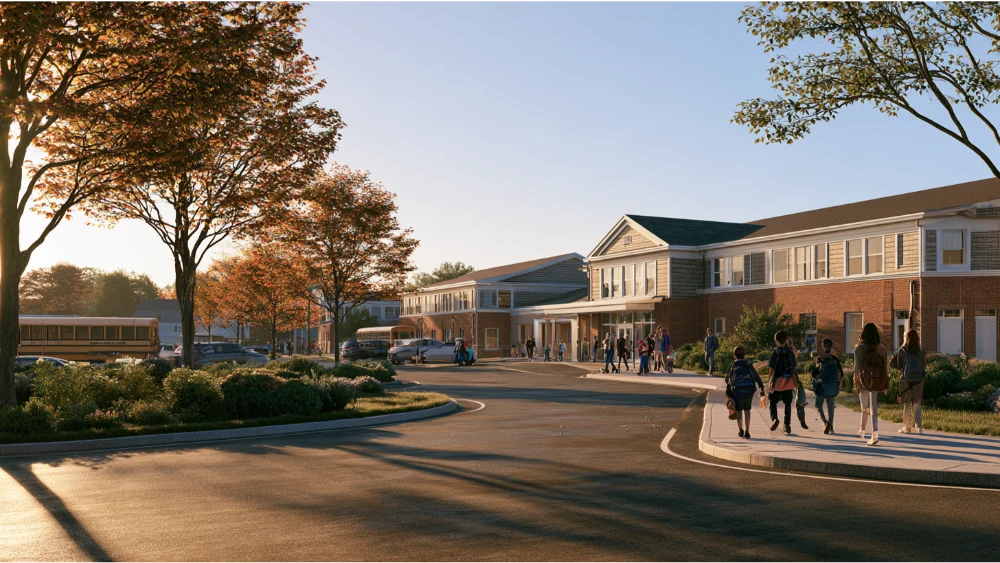
Narragansett runs a three-school public district serving PK through 12: an elementary school (PK to 4), a middle school (grades 5 to 8), and a high school (grades 9 to 12). For 2025 to 2026, the Rhode Island Department of Education reports 943 students, 141 educators, and per-pupil spending of $35,021. Enrollment has fallen from about 1,467 in 2010, reflecting fewer school-age residents. The University of Rhode Island nearby anchors higher education and research in the region and brings a steady population of college students into the local housing mix. State report-card ratings for the schools update every year, so recheck them close to enrollment, and evaluate programs, transportation, and enrollment rules against your own family’s needs. Families comparing districts should weigh class size and commute to the schools alongside the ratings.
Jobs, Income, and Your Commute from Narragansett
The average commute runs 28.2 minutes, and Providence sits about 30 miles north for those working in the city. Narragansett’s 2025 resident labor force was 7,311 with a 3.1% unemployment rate. Washington County held roughly 58,803 covered jobs in December 2025, with an average weekly wage of $1,329 in late 2025. Regional work clusters around education and research, healthcare, hospitality, retail, marine science, fishing and port-related jobs, construction, and government. If you’re building a career here, URI is a major regional employer, though its job figures are statewide, not Narragansett-only. The Port of Galilee keeps the fishing and ferry economy running year-round. For remote workers, 94.2% of households report broadband, but confirm service quality at your specific address before you rely on it.
Getting Around: Do You Need a Car in Narragansett?
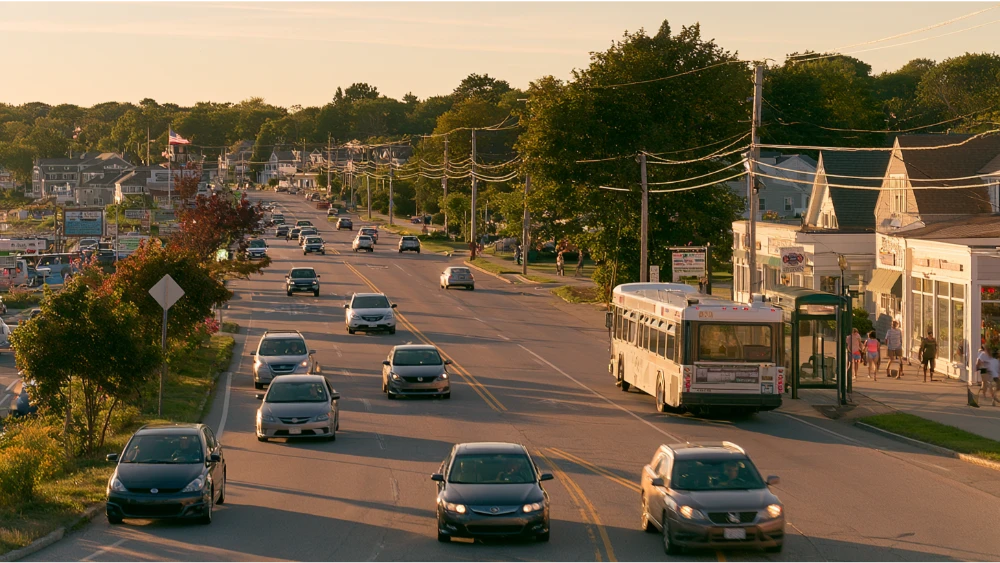
Yes, most residents need a car, and the town registers plenty of vehicles for that reason. The town is car-oriented outside the Pier, which offers some walkability near the beach, coffee shops, and stores where walking the streets is pleasant in season. RIPTA runs several routes heading in every direction, including Route 14 toward Providence, Route 69 to Galilee, Route 64 between Newport and URI, and Route 203 Flex service in the Narragansett/URI area, with transfers reaching the airport, Kingston rail, and the Block Island ferry. For a quick trip west toward the beaches near Westerly, a car is simplest. Routes and schedules changed through 2025 and 2026, so check current RIPTA schedules directly. Test your commute on a normal weekday and a peak summer weekend before you sign, because the two don’t resemble each other.
Healthcare, Beaches, Food, and Everyday Life
For acute care, the nearest option is South County Hospital in nearby Wakefield, whose emergency department runs 24/7 and handles more than 27,000 visits a year. Specialized care may mean a trip to Newport or Providence, so plan accordingly if you have ongoing medical needs. Before you move, line up a primary-care practice accepting new patients, note your nearest urgent care and pharmacy, and plan an emergency route that accounts for summer congestion.
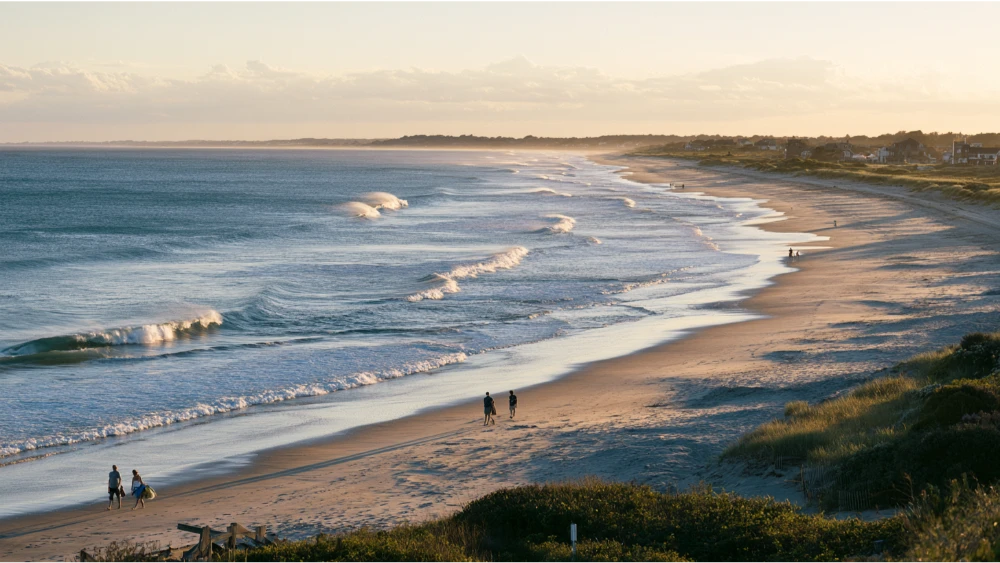
Daily life leans on the ocean, with the water visible from many spots in town. The town has Narragansett Town Beach plus three state beaches: Scarborough, Roger W. Wheeler (gentler surf thanks to its breakwater), and Salty Brine. Beyond swimming, residents kayak the Narrow River, paddleboard Great Salt Pond, fish for striped bass, surf, and bird-watch at the Chafee National Wildlife Refuge. The Black Point Trail delivers some of the best places in town for ocean views for anyone who loves walking the coast. Local restaurants lean toward fresh seafood and casual dining, shaped by the working port, and you’ll find clam shacks, raw bars, and family spots scattered through the Pier and Galilee. The mild coastal climate shifts with the seasons and sets the rhythm: packed beaches and festivals in the warm summer, quiet scenic foliage in fall, genuine tranquility in winter, and a reopening buzz come spring. Community events like the December Festival of Lights, farmers’ markets, and summer concerts round out the year, create reasons to gather long after the beach crowds thin out, and keep things fun for curious newcomers eager to meet their neighbors. It’s the kind of small-town life people around the world picture when they imagine a New England shore.
Flood Zones, Storms, and Coastal Insurance
Narragansett ranks hurricanes as its top natural-hazard concern. The town’s 2024 FEMA-approved Hazard Mitigation Plan flags coastal flooding, storm surge, erosion, sea-level rise, and insurance affordability as real risks. Winter storms and nor’easters add their own wind and surge, so the coastal exposure is a year-round consideration, not just a summer hurricane worry. Standard homeowners insurance does not cover flooding, and the town recommends renters consider contents flood coverage too. Before you rent or buy any coastal address, check:
- The FEMA flood zone and any Special Flood Hazard Area designation
- Base flood elevation and an elevation certificate, where available
- Evacuation area and route
- Any history of prior water intrusion
- A flood-insurance quote before you commit
Buyers evaluating long-term exposure should also run the address through Rhode Island’s STORMTOOLS for sea-level and surge scenarios the current FEMA map doesn’t capture.
Your Narragansett Move-In Checklist
- Confirm your lease type, exact dates, and that the unit appears in the town’s rental registration records
- Check the FEMA flood zone and get an insurance quote
- Set up water service (billed quarterly, varies by address) and arrange trash, since there’s no universal municipal curbside pickup; you’ll use a private hauler or the transfer station
- Verify internet service at your specific address
- Test your commute on both a weekday and a summer weekend
- Line up primary care, urgent care, and a pharmacy
- Handle the DMV: new residents need a Rhode Island license, title, and registration within 30 days, plus a vehicle inspection within 5 days after registering
- Sign up for town emergency alerts (summer water restrictions also run June 1 to August 31)
Frequently Asked Questions
Is Narragansett, RI a good place to live?
For many people, yes. You get a year-round coastal New England lifestyle, a solid three-school district, and a B safety grade. Just go in clear-eyed: costs run about 14% above the national average, much of the housing is seasonal, and summer traffic is significant.
Is Newport or Narragansett better?
It depends on what you want. Newport is a larger, more historic city with an urban feel, while Narragansett is a quieter beach town. Both carry high costs, so renting first in either is smart before you decide.
What is the downfall of living in Rhode Island?
Mainly cost. Living expenses sit roughly 14% above average, housing drives that, coastal insurance adds up, and summer congestion is real along the shore.
Is it hard to find a year-round rental in Narragansett?
Yes. A large share of the housing stock is seasonal, so the apparent vacancy doesn’t translate into year-round options. Verify the lease type and the town registration before you pay a deposit, and double-check that academic leases built for students don’t leave you homeless each summer. As already mentioned, prepare for that reality early so you can secure true year-round access before the crowds arrive.
Make Your Narragansett Move Seamless with KT Rents
We’re a full-service, broker-owned property management and rental platform operating nationwide since 2009, and we help movers do the homework before they sign. Compare rentals, run the numbers with our Rent, Cost of Living, and Rent vs. Buy calculators, and submit applications online. Browse Rental Properties Near You or Search Now to get started. Call us at (800) 716-4950, text (608) 207-0657, or email info@ktrents.com, and we’ll respond within 24 hours. Your Rental. Your Way.