

Providence, Rhode Island
Homes for rent and for sale — search the map or open the full city SEO catch-all page.
Providence, Rhode Island
Moving to Providence, Rhode Island means gaining a compact, walkable New England city with a nationally recognized food and arts scene, major healthcare and education employers, and Amtrak rail to Boston in under an hour and New York on the Northeast Corridor. Average asking rent runs about $2,100 as of September 2026, roughly 40 to 50% below Boston. Factor in utilities running 28.7% above the national average, winter parking permits, and lead-safety checks on older housing before you sign.
Moving to Providence, Rhode Island
Providence gives you compact urban living, one of the strongest food and arts scenes in New England, major education and healthcare employers, and direct Northeast Corridor rail to Boston and New York. Before you move, though, compare current asking rents (not the older Census figures you’ll see quoted everywhere), check schools and safety at the address level, and get familiar with Rhode Island’s parking, vehicle-registration, lead-safety and rental rules.
This guide is for renters, relocating professionals, families weighing schools and services, and remote workers who want a walkable city within easy reach of Boston. Known as “The Creative Capital,” Providence RI packs a lot into a small footprint, with distinct neighborhoods that each carry their own character. The main tradeoff is simple: you gain good food, arts and rail access, and you take on higher housing costs, winter parking restrictions and older housing that needs a careful look before you sign.
KT Rents is a full-service, broker-owned national rental marketplace, and we can help you find your Providence home from wherever you’re starting. We don’t run a Providence office, but our listings, tools and management reach cover the city and the rest of the country. Let’s walk through what living here actually requires.
Providence at a Glance: Population, Rent, and City Life
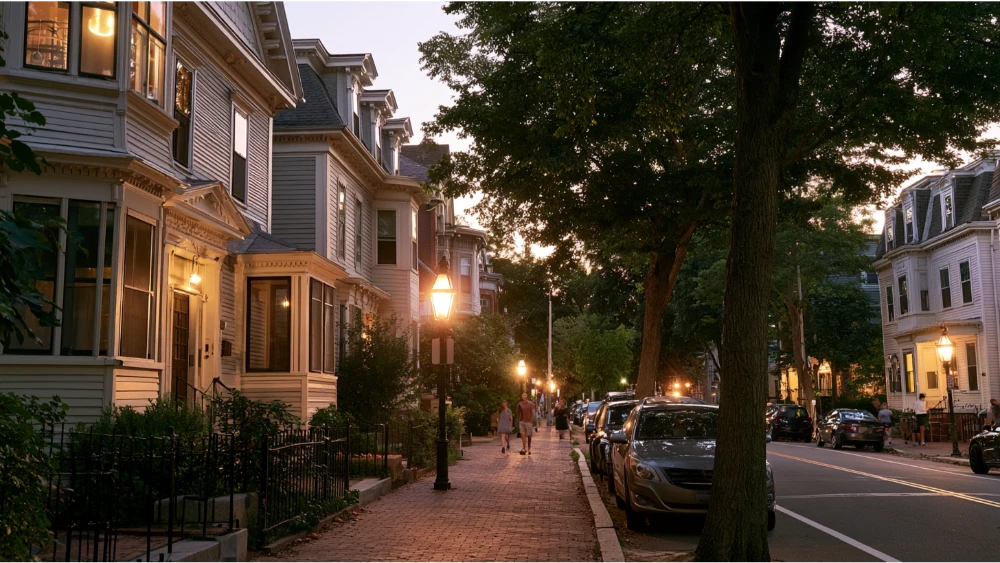
Providence is a compact, walkable, renter-majority New England city, and as the capital of the Ocean State it carries outsized culture for its size. One thing to understand before we talk money: there’s a real difference between the Census “gross rent” figure for units people already occupy and the current asking rent for an apartment that’s actually available right now. They are not the same number, and mixing them up is how people end up budgeting wrong.
| Fact | Figure | Date / Source |
|---|---|---|
| City population | 190,934 | 2020 Census |
| Land area | 18.41 sq mi | 2020 |
| Median household income | $68,119 | 2020–2024 Census |
| Average asking rent (all types) | ~$2,100 | Sept 2026, changes often |
| Households that rent | 59% | 2025 Housing Fact Book |
| Mean commute | 25 minutes | 2020–2024 Census |
| Normal annual snowfall | 36.6 inches | NOAA 1991–2020 normals |
| Main industries | Healthcare, education, government, hospitality | BLS |
At 18.41 square miles, this is a small city you can cross quickly, and within these city limits a majority of residents rent rather than own. That renter-first character shapes the pace of city life here, from the housing stock to the rental market. Rhode Island is the smallest state in the country, so Providence sits close to everything the rest of the state offers.
How Much Does It Cost to Live in Providence? Housing Costs Explained
Housing is the biggest line in your budget, so let’s be precise about it. The numbers floating around online represent different things measured at different times, and treating them as one “average” will mislead you.
| Measure | Figure | What it means |
|---|---|---|
| Census median gross rent | $1,408 | 2020–2024, occupied units (older leases included) |
| Current average asking rent | ~$2,100 | Sept 2026, all bedroom counts, highly dynamic |
| Average two-bedroom rent | $2,264 | 2024 data, 2025 Fact Book |
| Median single-family home price | ~$424,500 | 2024 data |
| Median home value | ~$383,591 | Point-in-time estimate |
What you’ll actually pay depends heavily on the neighborhood, with asking rents commonly running from about $1,500 to $2,500. Utilities run higher here, roughly 28.7% above the national average, and winter heating is a real cost you should factor in before signing. Rhode Island’s statewide sales and use tax is 7%, and the state also levies an individual income tax; verify the current brackets from the tax year’s official forms rather than trusting a number in an old relocation article.
Here’s the upside for anyone coming from the north: Providence housing costs generally run 40 to 50% less than Boston, which is why so many people who work in or near Boston choose to live here. Still, affordability is not universal. The 2025 Fact Book found 47% of renter households were cost-burdened, meaning housing ate at least 30% of their income. Before you commit, run your numbers through the KT Rents Cost of Living Calculator and Rent Calculator so you know what fits your income.
How to Choose Among Providence’s Great Neighborhoods
Providence has 25 official neighborhoods, and they vary widely in housing type, rent, transit and parking. These great neighborhoods range from dense riverfront blocks to leafy residential streets, so it pays to compare them honestly. The city’s Neighborhood Snapshots tool lets you compare areas (and specific addresses) on real criteria, which beats trusting a stranger’s list of the best places. Below are a few spots across the Providence area to know, described by what you can actually verify.
Downtown Providence
Riverfront setting along the Providence River, with great restaurants, shopping, public art and walking distance to Providence Station. Downtown Providence leans toward apartments and condos over single-family homes, strong transit, and tighter parking.
Federal Hill
Centered on Atwells Avenue, Federal Hill is the city’s Italian-American heart, packed with restaurants and bakeries. Housing leans toward apartments and multi-family units, with a lively commercial corridor at your door.
College Hill and the East Side
Home to Brown University and the Rhode Island School of Design, College Hill carries historic architecture along Benefit Street and some of the oldest structures in the city. The broader East Side includes Wayland Square for shopping and dining, plus affluent neighborhoods lined with tree lined streets and Blackstone Boulevard, a 1.5-mile greenway popular with walkers and runners. Housing here skews historic and often pricier.
Fox Point
A waterfront neighborhood with deep Portuguese cultural roots, sitting close to downtown and the East Side.
Broad Street and the West End
International markets, food trucks and restaurants line active commercial corridors, with a mix of multi-family housing and lower asking rents in many pockets. There are plenty of coffee shops scattered through these corridors if you work from a laptop.
Whatever neighborhood you’re weighing, compare it the same objective way:
- Asking-rent range for the bedroom count you need
- Rail and bus access, and distance to Providence Station
- Off-street parking (critical in winter)
- Commute time to your actual workplace
- Grocery and restaurant access
- Nearby parks and recreation
- Flood exposure and the age/condition of the building
Renting a Home in Providence: What to Check Before You Sign
These are Rhode Island-specific rules, so don’t assume they match the state you’re leaving. Providence’s housing stock runs from classic triple-deckers to condos, single-family homes and apartment buildings, and much of it is old, which makes a careful inspection of any house worth your time.
A residential security deposit generally can’t exceed one month’s rent, and subject to proper notice, key return and a forwarding address, the landlord must usually return it within 20 days with any lawful deductions itemized. Rhode Island also runs a public Rental Registry, and you can search it along with lead-certificate records before you sign. That matters because pre-1978 rentals are generally subject to lead-hazard rules and may require a valid lead certificate, and a lot of Providence housing predates 1978.
Before you sign a Providence lease, check:
- The Rental Registry and lead-certificate record for the address
- Deposit terms (one month max, 20-day return)
- Heating source and whether heat is included
- Window efficiency and insulation (winter is real here)
- Off-street parking availability
- Overall building condition
When you’re ready, browse KT Rents Providence rental listings and submit a rental application. As a full-service, broker-owned operator, we handle tenant placement, tenant screening, rent collection and property maintenance, with online rent payment and a maintenance-request portal waiting for you after move-in.
Jobs and the Providence Job Market
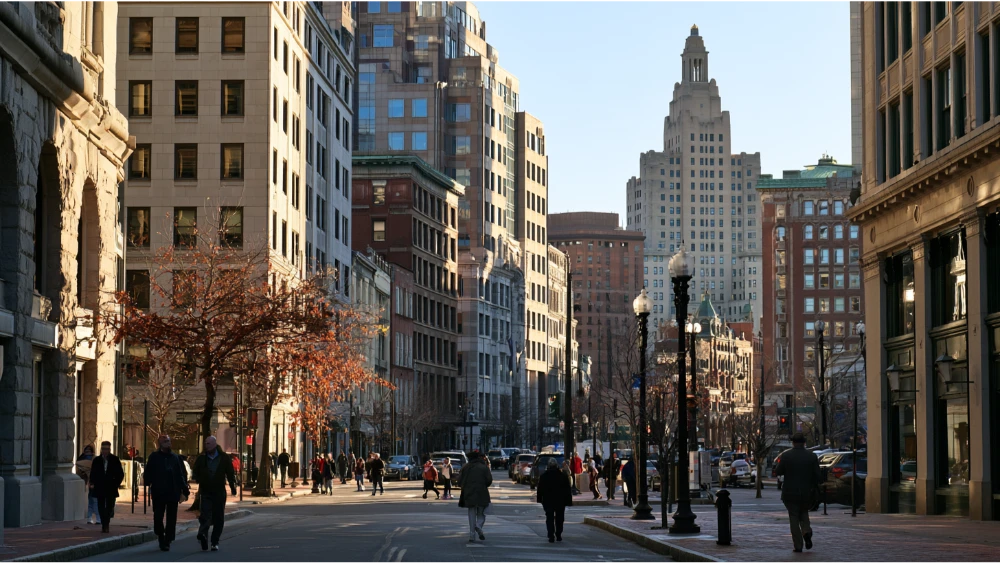
Providence is not just a college town, even though the universities get most of the attention. The real job market base is broader than that. A January 2026 BLS snapshot put education and health services at 160,300 jobs across the metro, followed by trade, transportation and utilities at 132,300, government at 96,300, professional and business services at 84,500, and leisure and hospitality at 79,100.
The region’s economic plans lean into healthcare and life sciences, arts and culture, tourism and hospitality, food, and the blue economy, so there’s more here than classrooms and hospitals. The metro’s mean hourly wage was $33.31 in May 2025, just under the national figure of $33.54, with the higher-paying groups being management, computer and mathematical roles, and healthcare practitioners.
On unemployment, the Providence-Warwick metro sat at 4.2% in August 2026 (preliminary). You’ll find third-party sources quoting higher or lower numbers, partly because city, county and metro figures differ and partly because these get revised. When it matters, go straight to current BLS data rather than any single headline stat. And if you work remotely or hybrid, the Northeast Corridor rail makes a Boston or New York role feasible without living there.
Getting Around Providence: Public Transit, Trains, and Parking
Providence Station is the hub. It serves Amtrak Acela and Northeast Regional trains plus MBTA commuter rail, so you can reach Boston in about 65 minutes by train on the MBTA, under an hour on Amtrak, and continue down the Northeast Corridor to New York. That easy access to the East Coast’s major cities is one of the city’s strongest selling points.
For getting around town, RIPTA buses charge a $2 base fare, $6 day pass and $70 monthly pass (verify before you rely on these, as fares change). Public transportation handles only about 4.4% of local commutes, and the mean commute runs 25 minutes. Public transit works best near the core; T.F. Green International Airport is roughly 10 miles out, about a 10-minute drive in light traffic, though you should plan for more during busy hours. Living car-free is workable near downtown, the station and major bus routes, but test your real home-to-work route at your actual commuting times before you bet on it. East Providence sits just across the water if you want a quieter base with simple access back into the city.
Parking and Snow Bans
Providence does not allow unrestricted overnight street parking everywhere. Annual overnight permits currently cost $100 for vehicles registered in Providence and $200 for vehicles registered outside the city, generally limited to two per unit. Buildings with six or more units and dormitories are usually ineligible unless hardship is shown. Guest passes run $25 and work up to five times a month. Even with a permit, you still have to clear out for snow emergencies and other bans. Confirm all of these figures before you count on them, since the city updates them.
Providence Schools and Education: Brown University and Beyond
Providence Public Schools is a choice district, and it returned to local control on July 1, 2026 after nearly seven years of state oversight. New students register online, and the district typically asks for student age verification, a parent or guardian photo ID, immunization records, a physical exam form, proof of a Providence address, previous school records, special education paperwork where it applies, and tuberculosis screening in certain cases.
Performance varies a lot from one school to the next, so don’t let a single third-party rating decide anything for you. Pull the official RIDE school profiles and report cards and look at the specific schools your child could attend. Rhode Island charter public schools are free and open to eligible students, and when a charter is oversubscribed it fills seats through a nonselective random lottery. Classical High School has a strong local reputation, and private schools exist as well across the city.
Higher education shapes daily life here more than in most cities its size. Brown University (Ivy League, founded 1764) and the Rhode Island School of Design anchor College Hill, Johnson & Wales University is a top culinary school that feeds the food scene, Providence College rounds out the mix, and Rhode Island College adds strong public options for teaching and the arts. That concentration of students and faculty drives a lot of the city’s culture, dining and events.
Hospitals and Healthcare in Providence
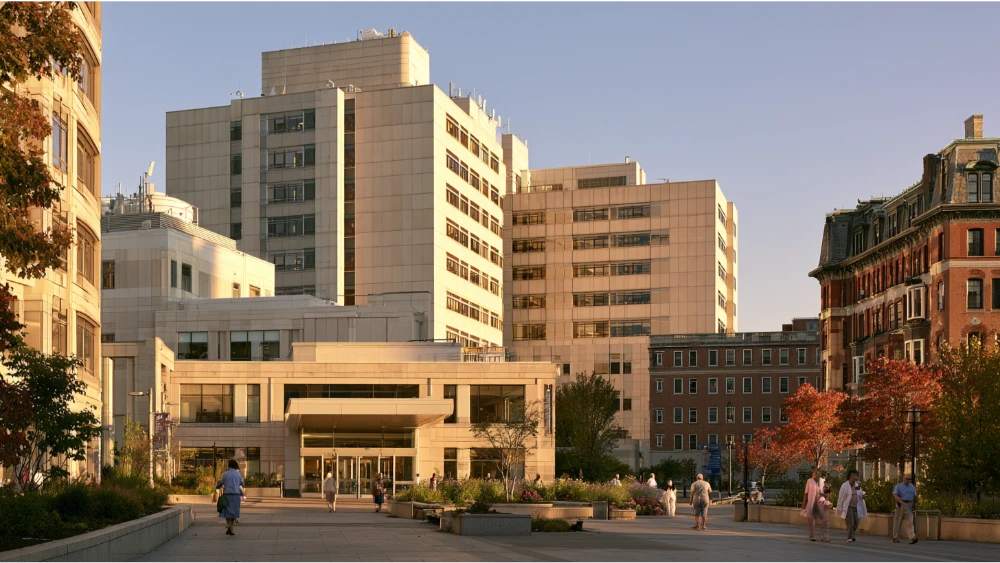
Healthcare is a genuine strength here, and it’s worth more than the one-line list most guides give it. Rhode Island Hospital is the Level I trauma center for southeastern New England, handling both adult and pediatric trauma. Hasbro Children’s Hospital sits on the same campus for specialized pediatric care. The Miriam Hospital provides acute and specialty care, and Women & Infants Hospital focuses on obstetric, neonatal and women’s health services.
The Rhode Island Department of Health maintains the full emergency-department list, so you can see every facility serving the area. One practical step before you pick an insurance plan: confirm which hospitals and providers are in your network, and line up a primary-care provider early. With this much hospital capacity concentrated in a small city, access is rarely the problem; coverage details are what trip people up.
Food, Arts, and Entertainment: Life in The Creative Capital
This is where Providence earns its nickname. The city runs on food and art, and you feel it on a normal Tuesday, not just during a festival. WaterFire is the signature experience, with bonfires lit along the Providence River downtown and crowds gathering from summer into fall. It’s free, it’s distinctly Providence, and it’s the kind of thing that makes a new place start to feel like home.
The Providence Performing Arts Center and Live Music
For performances, the Providence Performing Arts Center hosts touring Broadway shows, and an independent theater and live music scene fills smaller venues around the city. As an arts center in its own right, the RISD Museum pairs with the university cultural calendars to give you museum-grade art and events without leaving the East Side. There’s always something fun on the calendar.
The food is the real draw. Federal Hill’s Italian restaurants and bakeries are the headline, but Broad Street’s international cuisine, James Beard-nominated upscale spots, and local staples like Rhode Island-style hot wieners and coffee milk give you range you wouldn’t expect from a city this compact. Johnson & Wales keeps a steady supply of talent in the kitchens.
For green space, Roger Williams Park covers more than 400 acres, and the Roger Williams Park Zoo, a museum and a botanical center sit inside it with free seasonal programs throughout the year. The park honors Roger Williams, the state’s founder, and that history runs deep in the local community. That mix of authentic neighborhood culture and real outdoor space is the feel-like-a-local payoff of living here, and it’s hard to replicate in a bigger, more generic city.
Weather, Snow, and Flood Risk in Providence
You get four full New England seasons, so the weather genuinely shapes your year. NOAA’s 1991–2020 normals put annual snowfall around 36.6 inches, January highs near 38°F with lows near 22°F, July highs near 84°F, and roughly 47.5 inches of precipitation a year. Summer is warm and humid, winters are genuinely cold, and the shoulder seasons are the reward.
Winter ties directly back to parking. Snow emergencies trigger parking bans, you may be responsible for snow removal depending on your lease, and whether a rental includes heat, efficient windows and off-street parking will shape your comfort and your bills from December through March.
Flooding is a separate concern. The city flags street and basement flooding, especially around older stormwater systems and parts of the Woonasquatucket and West River areas to the south. Don’t write off a whole neighborhood over this; check the exact address you’re considering, and register for CodeRED and PVD311 alerts so you get emergency notices once you arrive.
Is Providence Safe?
The citywide trend is moving in the right direction. Providence Police reported 661 selected violent crimes in 2025, down 8% from 722 in 2024, and burglaries fell from 340 to 244, a 28% drop. Those are real improvements worth knowing.
But a citywide number can’t answer the question you’re actually asking, which is whether a specific block is a good fit for you and your friends or family. The Police Department publishes annual summaries, weekly 2026 statistics and searchable case logs, so look at the data for the area you’re eyeing. Then visit in person at different times of day and assess the lighting, building security, parking and your route to transit. That block-level homework tells you far more than any single statistic about the whole city.
Your Providence Moving Checklist: The First 30 Days
These steps are Rhode Island and Providence specific. A little planning here goes a long way, so work through them in order and the move goes a lot smoother.
Before you sign:
- Search the Rental Registry and lead-certificate records for the address
- Confirm deposit terms (one month max, 20-day return)
- Inspect heating, windows and off-street parking
One week before and move-in day:
- Set up utilities
- Review the city’s move-in/move-out disposal guide (flatten cardboard, follow bulky-item rules)
First 5 days:
- Get your vehicle inspected after Rhode Island registration (inspection is generally due within five days of registering)
First 30 days:
- Obtain a Rhode Island title and registration for any out-of-state vehicle (due within 30 days of moving)
- Secure Rhode Island liability insurance from an insurer authorized in the state
- Register for CodeRED and PVD311 emergency alerts
- Register children for school through the district’s online system
- Learn your trash and recycling day (free weekly curbside recycling for buildings with six or fewer units)
- Apply for an overnight parking permit if you need one
Use the DMV’s current resident-transfer checklist and the city’s official guides for the fine print, since document requirements and fees change.
Final Verdict: One of the Best Places to Land on the East Coast?
Providence is a strong choice if you want a compact, walkable New England city with a serious food and arts culture, deep healthcare and education employment, and direct rail to Boston and New York. The tradeoffs are honest: housing costs more than many similarly sized cities, winter parking takes planning, and the older housing stock plus variable school performance both need checking at the address and school level, not the citywide level.
If that balance works for you, we can handle the hard part. KT Rents is a full-service, broker-owned national rental marketplace with 16+ years of experience since 2009, and we help renters find the right home and manage the rest for a seamless experience. Your Rental. Your Way. Browse Providence rental properties, submit a rental application, and run the numbers through our Rent vs. Buy and Cost of Living calculators before you decide. Se Habla Español. For a quick hand, call us at (800) 716-4950.
Frequently Asked Questions
Is Providence a good city to move to?
For many people, yes. It’s strong on good food, arts, rail access to Boston and New York, and healthcare and education jobs. Weigh that against higher housing costs and winter parking rules. It fits renters and remote workers who want a compact New England city close to Boston, and it’s worth a visit before you commit.
What salary do you need to live comfortably in Providence, RI?
There’s no single magic number, but aim to keep housing under about 30% of your income, since 47% of local renters exceed that. With average asking rent near $2,100 and two-bedrooms around $2,264, plus utilities roughly 28.7% above the national average, your target depends on your household. The KT Rents Cost of Living and Rent calculators will give you a figure tied to your situation.
What is the current average rent in Providence?
Average asking rent was about $2,100 across all bedroom types as of September 2026, and this number moves often. Two-bedrooms averaged about $2,264 in 2024 data, and rents range roughly $1,500 to $2,500 by neighborhood. Always verify against current listings.
What is the downfall of living in Rhode Island?
The honest drawbacks are a higher cost of living than many similarly sized cities, utilities above the national average, a 7% sales tax, winter snow with parking restrictions, and an older housing stock that calls for lead and condition checks before you sign.