

South Kingstown, Rhode Island
Homes for rent and for sale — search the map or open the full city SEO catch-all page.
South Kingstown, Rhode Island
Moving to South Kingstown, Rhode Island means choosing a coastal New England town of about 32,009 residents with walkable village centers, strong public schools, a local hospital, and direct rail service to Providence and Boston. Housing costs run roughly 10 to 24% above the national average, and most residents rely on a car. Flood risk varies by address, so check FEMA zone designations before signing any lease or purchase agreement.
Is South Kingstown, Rhode Island a Good Place to Live?
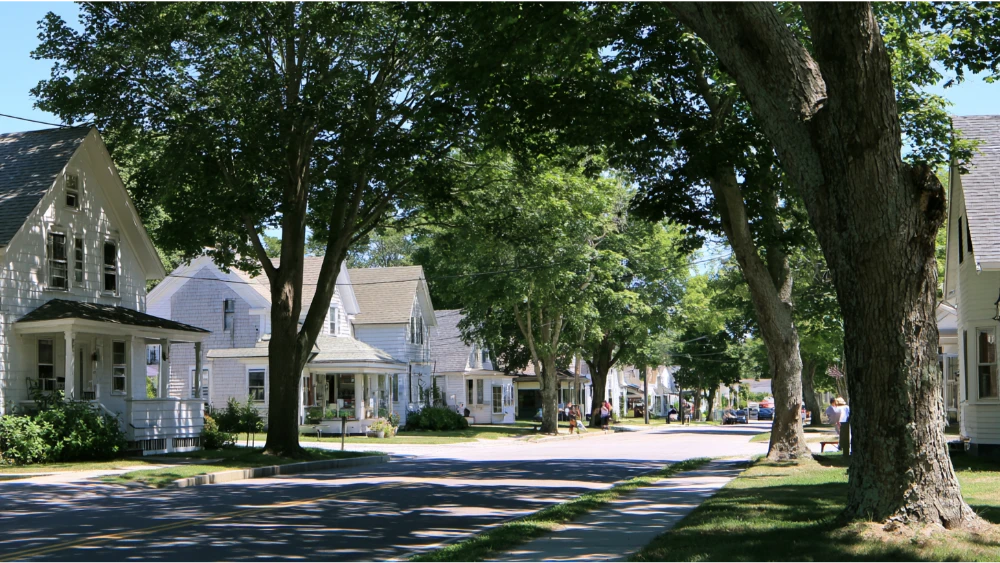
If you want coastal New England living with real village centers, University of Rhode Island energy, a local hospital, and direct Northeast Corridor rail access, South Kingstown is a strong fit. It works well for renters, buyers, remote workers, and any family comparing a move to this part of Kingstown RI. The tradeoffs are honest: housing costs run above the national average, most residents rely on a car, and flood exposure depends on the exact address.
Here’s the part most guides skip. Your day-to-day experience will differ a lot depending on which part of the city you land in, and how close you are to neighboring North Kingstown. We’re a full-service, broker-owned rental marketplace operating across the U.S., and we think a move like this deserves to be treated as a real housing decision, not a tourism brochure.
South Kingstown at a Glance
South Kingstown isn’t one uniform suburb. It’s a mix of village centers, the URI campus, coastline along Narragansett Bay, and farmland spread across the largest town by land area in Washington County. Washington County’s county seat sits nearby, and this part of the country has long paired small-town pace with real services. It sits just south of North Kingstown and a comfortable drive from Providence, which keeps it among the best places to settle if you want quiet with city access.
- Population: 32,009 (July 2025 Census estimate)
- Median age: roughly 40 years, skewed slightly younger by the URI student population
- Land area: about 56.8 square miles
- Population density: around 560 people per square mile, low for a coastal town its size
- Median household income: $108,960 (2020-2024 ACS)
- Households: 11,360, with an average household size of 2.31 people
- Average family size: close to 2.9 people, a figure that suits young families
- Homeownership: 75.4% (2020-2024 ACS)
- Protected open space: nearly 11,000 acres
Officially, the town of South Kingstown includes Wakefield, Peace Dale, Kingston, West Kingston, Green Hill, Matunuck, and Perryville. That village structure shapes most of what follows, and the low population density is a big reason so many houses here sit on generous lots. The local demographics read as a nice town built around community, with a mix of students, retirees who use the senior center, and families settling in for the long haul.
Understanding South Kingstown’s Villages and Neighborhoods
Each village has its own layout and rhythm. Below is a neutral comparison of these neighborhoods to help you match a setting to your routine. The right choice comes down to transportation, housing form, and what you need to verify for a specific property.
| Village | Setting | Transportation | Address-level checks |
|---|---|---|---|
| Wakefield | Main commercial and cultural center, Main Street, Saugatucket River | Walkable village core, bike path access | Parking, flood near the river |
| Peace Dale | Compact historic mill village | Connected to Wakefield | Older housing systems |
| Kingston | Home to the URI campus | Transit and campus access | University-calendar rental demand |
| West Kingston | Rail-adjacent | Kingston Station (Northeast Regional) | Commute timing to the station |
| Matunuck / South Shore | Coastal, beach access | Car-dependent | Flood zone, insurance, water, septic |
| Green Hill, Perryville, outlying | Lower-density | Car needed | Water supplier, septic, internet, winter roads |
If you’re weighing South Kingstown against North Kingstown to the north, the two share the same coastline and school-quality reputation, but North Kingstown leans a little more commuter-focused toward Providence. Both are strong, community-minded places to live.
Renting vs. Buying in South Kingstown
One thing to clear up early: the Census median gross rent of $1,368 (2020-2024 ACS) reflects what current occupants pay and often includes some utilities. It is not the asking rent on an available unit today. The same gap applies to the median owner-occupied value of $560,200, which is what owners report their homes are worth, not a current sale price. That figure runs about 39% above Rhode Island’s statewide number for the same period.
Rental demand near URI follows the university calendar, and coastal units can swing seasonal. You’ll see both short-term and long-term leasing, so decide which fits before you commit. Run your own math with the KT Rents Rent vs. Buy Calculator and Cost of Living Calculator.
Jobs and the Local Economy
The two anchors here are the University of Rhode Island and South County Hospital. Education, healthcare, public employment, tourism, retail, and hospitality carry much of the local economy, and a healthy base of small businesses lines the village centers. The 2025 annual unemployment rate was 3.9%, with roughly 1,352 private establishments, about 10,207 average private employment, and an average private-sector wage near $61,400. Many residents also commute the short distance to Providence for work. Remote work is practical too: Census-derived data shows 14.6% of residents working from home, which suits relocators who bring their job with them.
Commuting and Transportation: Do You Need a Car?
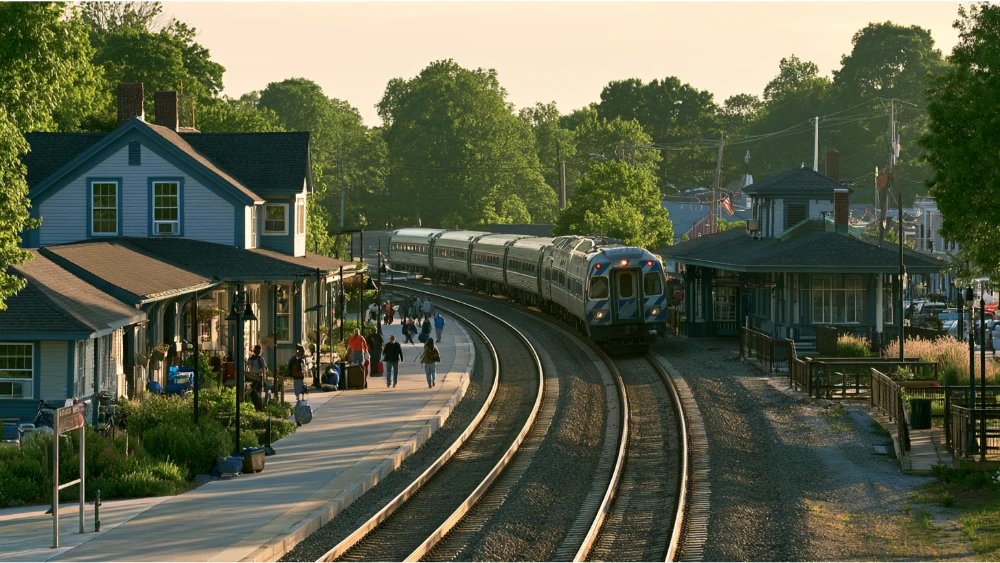
Most residents will want a car. The average one-way commute runs about 25 minutes (2020-2024), with 72.8% driving alone. RIPTA runs routes 64, 65x, 66, and 69 through town, and Kingston Station in West Kingston sits on the Northeast Regional, with direct service toward Providence, Boston, and New York. Providence is roughly 30 miles north, an easy run by car or rail, and Newport and Warwick are both short drives when you want a change of scene. The station recorded 212,495 passengers in FY2025. Train times change often, so check live timetables and test your actual commute at the hour you’ll travel. Expect heavier coastal traffic in summer.
What Are the South Kingstown Public Schools Like? From Elementary to High School
The district is stable and well regarded, one of the reasons schools rank high on many relocating families’ lists and a big part of the education picture for children here. For 2025-26, South Kingstown reports five schools and 2,210 students: Matunuck Elementary, Peace Dale Elementary, West Kingston Elementary, Broad Rock Middle School, and South Kingstown High School. The single option among the middle schools, Broad Rock, feeds directly into the one high school, which keeps the path simple for parents. (Some older guides still list schools that have since closed or reorganized, so trust the current list.) Review the official RIDE report card rather than commercial letter grades.
Families weighing options across the broader area sometimes look at nearby charter and public choices too, such as Curtis Corner Middle School and Kingston Hill Academy, so compare what fits your child before enrolling. Kindergarten students must be five by September 1. Registration requires a birth certificate, parent ID, immunization records, and two residency proofs (a signed lease counts). A new high school is scheduled to open for 2027-28; verify that timeline before relying on it. Always confirm which of the schools serves a specific address rather than trusting listing copy.
Hospitals and Healthcare
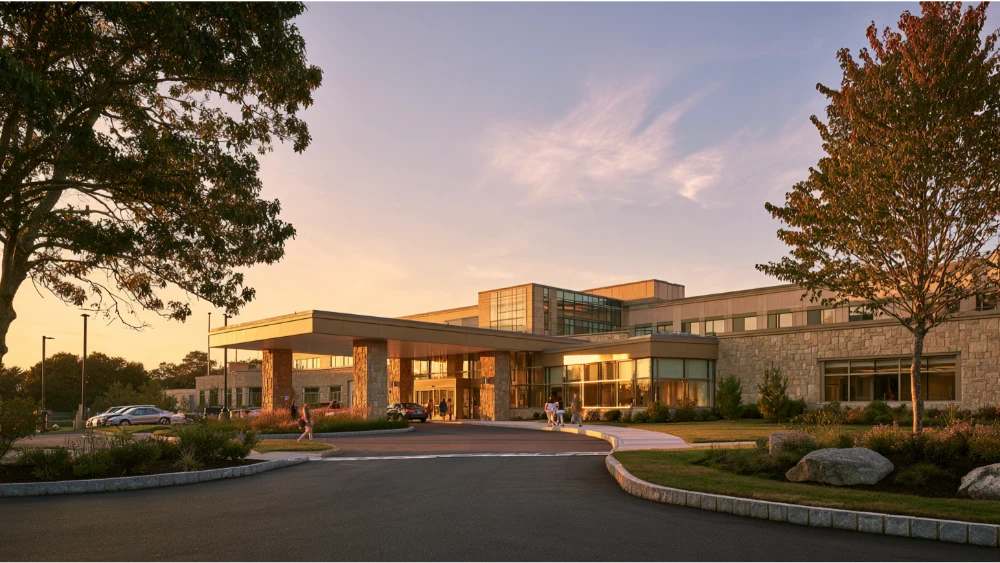
South County Hospital in Wakefield anchors local care, with a 24-hour emergency department (27,000-plus visits annually, 24 treatment rooms), surgery, cancer care, imaging, and women and newborn services. An adjacent medical office building covers primary and specialty care. South Kingstown EMS provides townwide service plus a community paramedic program. For urgent care, use the RIDOH directory for a current list.
Food, Shopping, Arts, and Nightlife
Downtown Wakefield is the main shopping and dining district, with Main Street, the riverfront, and bike path access close by. The regional food identity leans into seafood and farm-to-table, often described locally as “sea-to-plate,” and the restaurants here reflect that catch-of-the-day character. For arts and entertainment, you’ll find year-round live theatre, galleries, museums, URI theater and athletics, concerts, lectures, and events at the Ryan Center. Nightlife is low-key and village-scaled rather than big-city, which many residents consider a plus. Three public libraries round it out: Peace Dale, Kingston Free, and Robert Beverly Hale. Notable people with ties to the area include URI faculty and alumni who have shaped Rhode Island’s arts and science scenes.
Beaches, Parks, and Outdoor Life
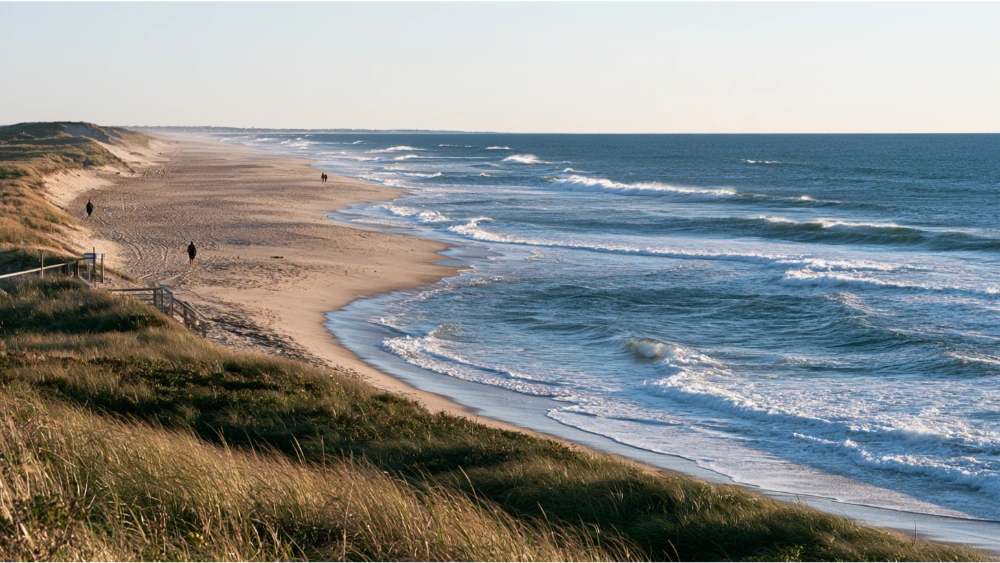
South Kingstown has over ten miles of beaches along Block Island Sound (not Long Island Sound, a common error in other guides). The Town Beach offers roughly 1,300 feet of sand, a boardwalk, and a playground. Add East Matunuck State Beach, Moonstone Beach, the William C. O’Neill Bike Path, river walks, Alewife Brook Preserve, and William Brousseau Park for kayaking, fishing, boating, and farm visits. The Parks and Recreation Center at 30 St. Dominic Rd runs more than 1,000 programs a year, a real draw for family life. Seasonal passes and parking rules change annually, so check the official beach page before you go.
Daily Services Most Moving Guides Forget
These vary by address, and skipping them causes real headaches:
- Water: supplier depends on location; confirm with the Town Water Division or your provider.
- Sewer vs. septic: not every property is on sewer; check with the Wastewater Division.
- Trash: use a licensed private hauler or the Rose Hill Transfer Station (bag-and-tag, 35 gallons/35 pounds per tag). Recycling is mandatory.
- Internet and cellular: verify coverage at the exact unit.
- Rental registration: the town adopted annual registration in October 2025; use the address lookup (short-term means 30 days or less).
Rhode Island winter utility costs run above the national average, so budget for it. Security and peace of mind matter too, so ask about locks, lighting, and alerts at any unit you tour.
Weather, Flooding, and Coastal-Property Checks
Flood risk is property-specific, not townwide. Town hazard materials reference FEMA A, V, X, and D zones, and the 2026 hazard plan names hurricanes, storm surge, coastal erosion, inland flooding, winter storms, and sea-level rise. Before signing near Matunuck, Green Hill, or East Matunuck, check the FEMA flood designation, town GIS and evacuation access, insurance quotes, elevation and prior flood history, plus water, wastewater, and backup power.
Your First 30 Days as a New Rhode Island Resident
- Get a Rhode Island title and registration within 30 days (an out-of-state vehicle needs a VIN check first).
- Have the vehicle inspected within 5 days of registration.
- Carry Rhode Island liability insurance from a state-licensed insurance company.
- Register children for school with your required documents.
- Set up water, electric, and trash/recycling.
- Get a library card and register for recreation programs.
- Obtain beach-pass residency documentation and sign up for town emergency alerts.
Pros and Cons of Moving to South Kingstown Rhode Island
- Pros: beaches and open space, village character, stable public schools, a local hospital, rail access to Providence, and URI amenities.
- Cons: housing and cost of living above the national average, car dependence, summer coastal congestion, and address-specific flood and utility variation.
Frequently Asked Questions
Is South Kingstown, Rhode Island a good place to live?
Yes, if you want coastal living, walkable village centers, strong schools, local hospital care, and rail access toward Providence. For many a family it’s a great place to put down roots. The main tradeoffs are higher housing costs and relying on a car.
What is the cost of living in South Kingstown?
It runs roughly 10 to 24% above the national average, with housing as the biggest driver. Remember that Census medians aren’t current asking prices; use our Cost of Living Calculator to estimate your real numbers.
What are the public schools in South Kingstown?
The district has five schools and about 2,210 students for 2025-26, including three elementary schools, one of the middle schools serving the whole town, and one high school. Check the RIDE report card and confirm which school serves your exact address.
What is the downfall of living in Rhode Island?
Mainly higher housing and utility costs, property taxes, winter energy bills, and summer traffic near the coast. These are budget factors to plan for, not dealbreakers.
Run Your Numbers in North Kingstown and Kingstown RI, Plus Notable People Nearby
A move this big deserves real math first. As a full-service, broker-owned real estate operator and nationwide rental marketplace, KT Rents gives you the tools to decide with confidence. Your Rental. Your Way.
Start with our Cost of Living Calculator, Rent vs. Buy Calculator, and Mortgage Calculator. Then browse rental properties, submit a rental application, and compare short-term and long-term leasing in South Kingstown, North Kingstown, and across Kingstown RI. If you’re interested in learning where the town split into two parts long ago or which local location, towne center, or notable people shaped the area, the libraries are a great first stop. Questions? Call (800) 716-4950, text (608) 207-0657, or email info@ktrents.com. We respond within 24 hours.