

Wisconsin
Rental and for-sale inventory across cities we serve in this state.
Moving to Wisconsin? The Ultimate 2026 Guide
Explore
Cities in this state
Key Takeaway:
Moving to Wisconsin in 2026 offers a blend of affordable living, rich cultural experiences, and strong economic growth. The state’s tax policies and diverse landscapes make it an attractive destination for new residents. Discover the financial, social, and logistical aspects of relocating to the Badger State.
Moving to Wisconsin: Your Comprehensive Guide to a New Adventure
Moving to Wisconsin in 2026 offers a unique opportunity to embrace the Badger State’s rich cultural heritage, robust economic growth, and diverse natural landscapes. As Wisconsin continues to evolve, understanding its financial infrastructure, regional characteristics, and logistical transitions is crucial for a successful move. This comprehensive guide provides authoritative insights into what prospective residents can expect when relocating to Wisconsin.
2026 State of the State: Wisconsin’s Economic and Social Landscape
Economic Growth Trends in 2026
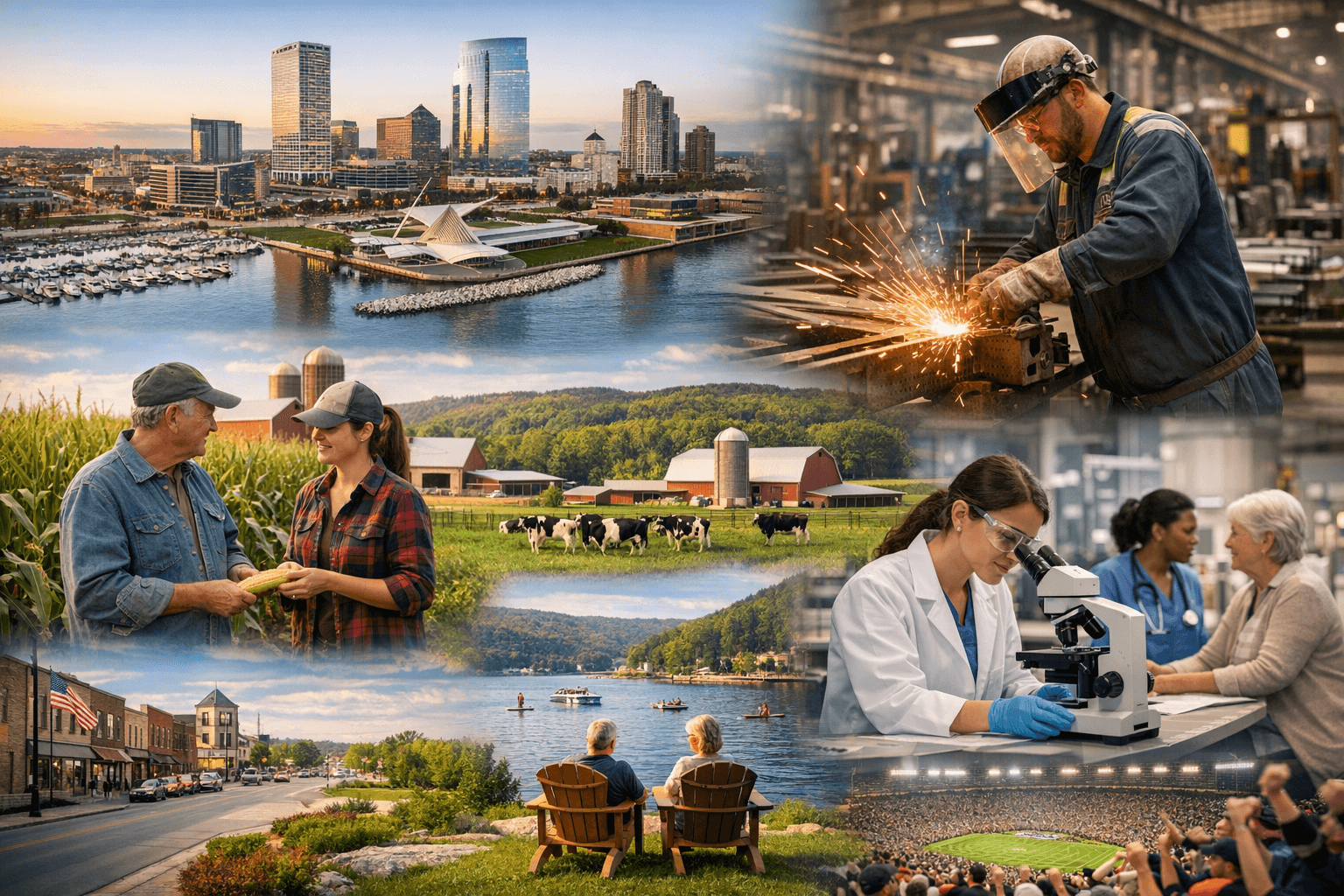
By 2026, Wisconsin’s economy is projected to grow at a rate of 2.5%, outpacing the national average of 2.1%. This growth is fueled by expansions in key sectors like manufacturing, agriculture, and technology. Wisconsin ranks highly among states for employment opportunities, especially in urban centers like Milwaukee and Madison. The state’s GDP is expected to reach $365 billion, reflecting its robust economic health. As a result, moving to Wisconsin could offer new residents increased financial stability and job prospects.
The state’s commitment to innovation and sustainability is evident in its investment in renewable energy and tech startups. By 2026, Wisconsin aims to boost its renewable energy output by 15%, aligning with national trends towards cleaner energy sources. This shift supports environmental goals, creates jobs, and stimulates economic activity. The presence of major companies like Johnson Controls and Northwestern Mutual contributes to a thriving business environment. For those relocating, this economic vitality translates into a variety of career paths and professional growth opportunities.
Demographic changes are also shaping Wisconsin, with a 3% increase in population anticipated by 2026. This growth is largely due to an influx of young professionals and families attracted by the state’s affordable cost of living and quality of life. The capital city, Madison, continues to be a magnet for millennials due to its vibrant culture and strong job market. As new residents integrate into Wisconsin’s communities, they contribute to the state’s dynamic social fabric and economic resilience.
Social and Cultural Shifts
In 2026, Wisconsin’s cultural landscape is marked by a blend of traditional Midwestern hospitality and progressive social movements. The state’s welcoming community is reflected in its diverse population, which includes a growing number of international residents. Events like the world’s largest music festival in Milwaukee and the iconic Green Bay Packers games are pivotal in bringing people together. These gatherings not only celebrate Wisconsin’s rich heritage but also stimulate local economies, generating an estimated $500 million annually in tourism revenue.
Wisconsin’s educational institutions play a significant role in shaping its social dynamics. With universities like Marquette University and the University of Wisconsin system, the state is a hub for academic excellence and innovation. In 2026, enrollment in higher education is projected to increase by 4%, driven by competitive tuition rates and academic opportunities. The influx of students and faculty enhances cultural exchange and fosters a vibrant intellectual community.
Socially, Wisconsin is witnessing a greater emphasis on inclusivity and community engagement. Initiatives aimed at supporting minority groups and enhancing public services reflect the state’s commitment to equity. Programs addressing affordable housing, healthcare access, and education are central to Wisconsin’s social agenda in 2026. For newcomers, these efforts contribute to a sense of belonging and community integration.
Political Climate and Its Impact on Residents
Wisconsin’s political climate in 2026 is characterized by a balance between progressive policies and traditional values. As a swing state, it plays a crucial role in national elections, often reflecting broader political trends. Recent legislative measures focus on economic development, healthcare reform, and environmental sustainability. These policies aim to improve residents’ quality of life while fostering economic growth.
The state’s approach to healthcare reform includes expanding Medicaid coverage and implementing cost-control measures. By 2026, nearly 95% of Wisconsinites are expected to have access to affordable healthcare services. This expansion not only improves public health outcomes but also reduces individual financial burdens. For new residents, Wisconsin’s healthcare initiatives offer peace of mind and financial security.
Environmental policies are another key focus, with Wisconsin committing to reducing carbon emissions by 30% by 2030. This commitment aligns with national and global efforts to combat climate change. Investments in green infrastructure and renewable energy projects are central to achieving these goals. For those moving to Wisconsin, the state’s proactive stance on environmental issues reflects a commitment to sustainable living and future generations.
Understanding the Financial Infrastructure: Taxes and Cost of Living in Wisconsin
The 2026 Wisconsin Tax Landscape
In 2026, Wisconsin’s tax landscape offers a competitive advantage with its moderate income tax rates and property tax relief programs. The state’s income tax rates range from 3.54% to 7.65%, depending on income levels, providing a balance between revenue generation and taxpayer burden. Property taxes, though higher than the national average, are offset by exemptions and credits for homeowners. The state’s sales tax rate remains steady at 5%, contributing to a stable fiscal environment.
Efforts to reduce tax liability for residents include expanding tax credits for education expenses and renewable energy investments. By 2026, these incentives are expected to save taxpayers an estimated $200 million annually. Such measures aim to enhance disposable income and support sustainable practices. For new residents, understanding Wisconsin’s tax policies is crucial for financial planning and maximizing available benefits.
Comparatively, Wisconsin’s tax rates are competitive with neighboring states, as illustrated in the table below:
| State | Income Tax Rate | Sales Tax Rate | Property Tax Rate |
|---|---|---|---|
| Wisconsin | 3.54% – 7.65% | 5% | 1.68% |
| Illinois | 4.95% | 6.25% | 2.16% |
| Minnesota | 5.35% – 9.85% | 6.875% | 1.12% |
| Iowa | 0.33% – 8.53% | 6% | 1.53% |
Cost of Living: What to Expect
Wisconsin’s cost of living in 2026 remains attractive, with housing costs significantly lower than coastal states. The median home price is approximately $235,000, compared to the national average of $320,000. This affordability extends to other expenses, such as groceries and transportation, which are on par with or below national averages. The state’s cost of living index is 96, slightly below the U.S. average of 100.
For renters, Wisconsin offers competitive rates, with the average monthly rent for a two-bedroom apartment at $1,050. This is particularly appealing for those relocating from major metropolitan areas with higher rental costs. Utility expenses are also manageable, with average monthly bills around $150, depending on household size and usage. These financial factors contribute to Wisconsin’s reputation as a state with a high quality of life and economic accessibility.
While the state’s cost of living is generally low, it’s important for new residents to account for seasonal expenses, particularly during cold winters. Heating costs can increase during freezing temperatures, with average monthly bills rising by $100. Despite this, the overall affordability of living in Wisconsin remains a significant draw for individuals and families alike. Understanding these nuances ensures a smooth financial transition for those moving to the state.
Comparing Wisconsin’s Financial Outlook with National Averages
Wisconsin’s financial outlook in 2026 is favorable compared to national averages, offering residents a balanced mix of economic opportunities and affordability. The state’s per capita income is projected to rise to $55,000, reflecting steady economic growth and job creation. This figure aligns with the national average, demonstrating Wisconsin’s competitive economic standing.
Unemployment rates in Wisconsin are expected to remain low, at around 3.2%, compared to the national average of 3.8%. This stability is attributed to the state’s diverse range of industries, including manufacturing, healthcare, and technology. The availability of employment opportunities across sectors supports a healthy job market and attracts new residents seeking career advancement.
Educational attainment in Wisconsin continues to improve, with 35% of adults holding a bachelor’s degree or higher by 2026. This increase in educational levels contributes to the state’s economic resilience and innovation capacity. For those considering moving to Wisconsin, these financial indicators highlight the state’s potential for personal and professional growth, making it an attractive destination for relocation.
Discovering Wisconsin’s Regional Character: Geography and Lifestyle
Exploring Wisconsin’s Diverse Geographies
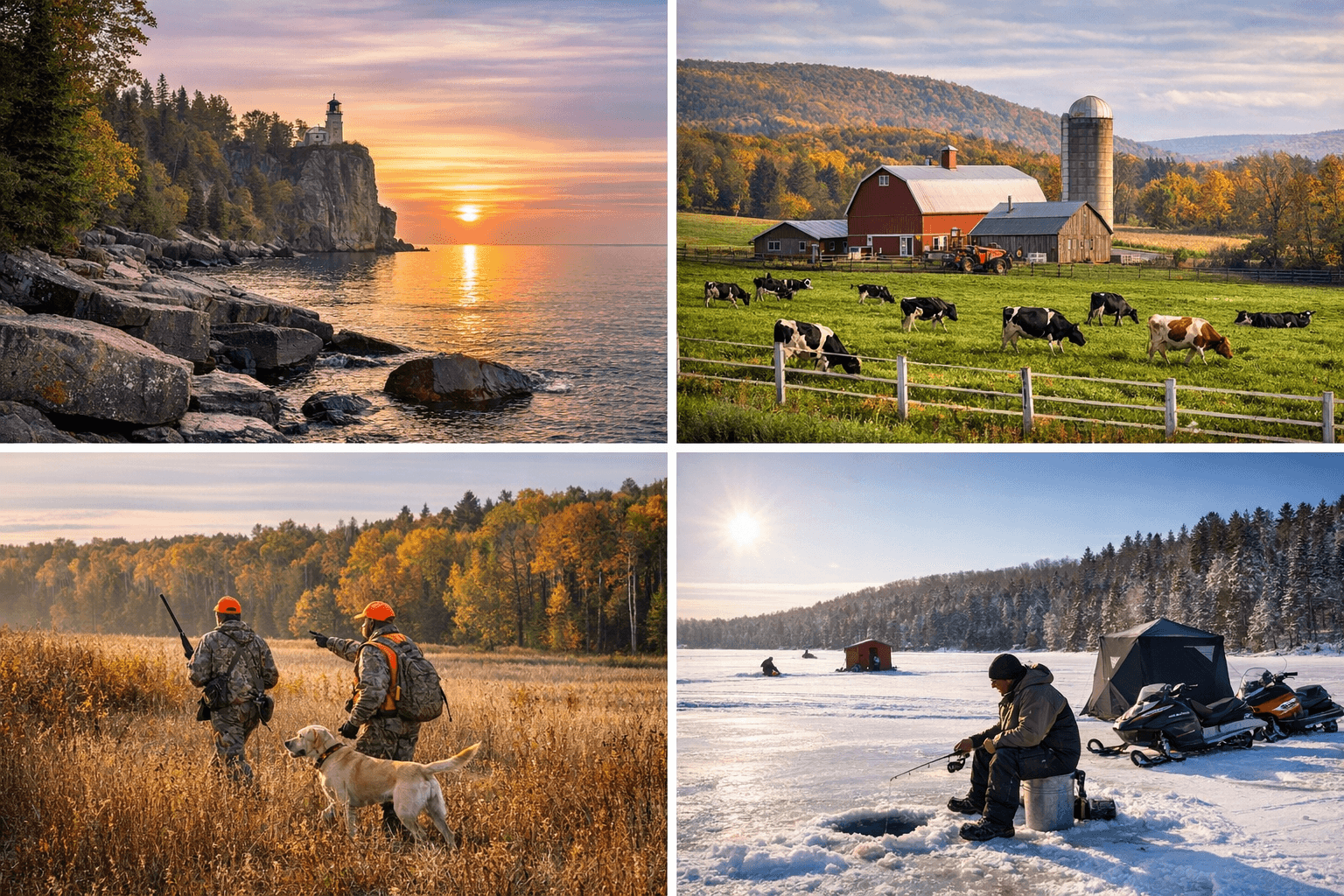
Wisconsin’s diverse geographies offer a range of landscapes, from the shores of Lake Michigan to the dense forests of northern Wisconsin. The state’s natural beauty is a significant draw for those seeking endless outdoor adventures, with 15,000 lakes and numerous state parks. Door County, known for its scenic drives and coastal views, is a popular destination for residents and visitors alike. The Great Lakes region provides opportunities for boating, fishing, and water sports, enhancing the state’s appeal for outdoor enthusiasts.
Inland, the Driftless Area features rolling hills and valleys, offering unique geological formations and hiking trails. This region’s distinct topography is a testament to Wisconsin’s geological history and provides a backdrop for rural communities and organic farming. The state’s commitment to preserving its natural resources is evident in conservation efforts and sustainable tourism initiatives. For newcomers, exploring Wisconsin’s geographies offers a chance to experience the state’s diverse ecosystems and recreational opportunities.
Wisconsin’s urban landscapes are equally varied, with major cities like Milwaukee and Madison offering cultural and economic hubs. Milwaukee, the largest city, is home to the Harley Davidson Museum and a thriving arts scene, while Madison, the capital city, boasts a strong sense of community and academic excellence. These urban centers provide a contrast to the state’s rural areas, offering diverse living environments for potential residents. Understanding Wisconsin’s regional character is key to selecting the right location for your lifestyle needs.
Lifestyle and Community: Urban vs. Rural
Wisconsin’s lifestyle and community dynamics are shaped by the contrast between urban and rural living. Urban areas like Milwaukee and Madison offer vibrant cultural scenes, with events such as the Milwaukee Bucks games and Lakefront Brewery tours attracting residents and tourists. These cities provide employment opportunities, educational institutions, and a variety of amenities, making them appealing to those seeking a cosmopolitan environment.
Rural areas in Wisconsin, on the other hand, offer a slower pace of life and a strong sense of community. Small towns and farming communities are characterized by midwestern hospitality and traditional values. Residents enjoy local traditions like Friday fish fries and farmers markets, which foster community connections and support local economies. For those seeking a close-knit community, Wisconsin’s rural areas provide a welcoming environment and a high quality of life.
The choice between urban and rural living in Wisconsin depends on individual preferences and lifestyle goals. Both environments offer unique benefits, from the bustling energy of city life to the tranquility of the countryside. For new residents, understanding these differences is crucial for finding the right fit and integrating into Wisconsin’s diverse communities.
Cultural Landmarks and Recreational Activities
Wisconsin’s cultural landmarks and recreational activities are central to its appeal as a relocation destination. The state is home to iconic attractions like the Wisconsin Dells, known for its water parks and family-friendly entertainment. The Harley Davidson Museum in Milwaukee celebrates the state’s rich history in motorcycle manufacturing and attracts enthusiasts from around the world. These cultural landmarks contribute to Wisconsin’s vibrant tourism industry, generating $22 billion in annual revenue.
Recreational activities abound in Wisconsin, with opportunities for ice fishing, skiing, and hiking throughout the year. The state’s natural beauty provides a backdrop for outdoor pursuits, from exploring the Apostle Islands to participating in local sports leagues. Wisconsin’s commitment to recreational development is evident in its investment in public parks and facilities, enhancing residents’ quality of life.
For newcomers, Wisconsin offers endless opportunities for cultural and recreational engagement. The state’s diverse range of activities and attractions ensures that residents of all ages can enjoy a fulfilling lifestyle. Whether you’re interested in exploring natural wonders or immersing yourself in cultural experiences, Wisconsin provides a rich tapestry of options for everyday life.
Transition Roadmap: Logistics of Moving to Wisconsin
Planning Your Move: Timeline and Checklist
Planning a move to Wisconsin requires careful preparation and a well-structured timeline. A comprehensive checklist can help streamline the process and ensure logistical compliance. Begin by researching the state’s housing market, employment opportunities, and community resources at least six months before your planned move. This timeframe allows for informed decision-making and adequate preparation.
Three months prior to moving, focus on securing housing and employment, if applicable. The median home price in Wisconsin is $235,000, offering affordable options compared to national averages. For renters, the average monthly rent is $1,050, making it essential to explore various housing options to fit your budget. Additionally, ensure that you have necessary documentation for employment, such as updated resumes and references.
As your moving date approaches, finalize logistics such as hiring a moving company, obtaining moving permits, and notifying relevant parties of your address change. The cost of hiring professional movers in Wisconsin averages $1,200, depending on distance and services required. A detailed moving checklist, like the Quick-Action Checklist for New Residents, can help organize tasks and minimize stress. By following a structured plan, you can ensure a smooth transition to your new home in Wisconsin.
Settling In: Housing Market Overview
Understanding Wisconsin’s housing market is crucial for settling in and establishing a permanent residence. In 2026, the state’s real estate market offers a range of options, from urban apartments to rural homes. The median home price is significantly lower than the national average, making homeownership accessible for many. Wisconsin’s real estate market is characterized by stability and gradual appreciation, with home values expected to increase by 3% annually.
For those considering renting, Wisconsin provides affordable options in both urban and rural areas. Rental prices vary based on location, with major cities like Milwaukee and Madison commanding higher rates. The average monthly rent for a two-bedroom apartment is approximately $1,050, offering a cost-effective alternative to homeownership. Understanding rental agreements and tenant rights is essential for newcomers navigating Wisconsin’s rental market.
Wisconsin’s housing market is supported by a strong economy and a growing population, contributing to demand for residential properties. New residents should consider factors such as commute times, access to amenities, and community characteristics when selecting a location. By conducting thorough research and working with local real estate agents, you can find a home that meets your needs and budget in Wisconsin.
Connecting with Local Services and Communities
Connecting with local services and communities is an important step in integrating into Wisconsin’s social fabric. Establishing utilities, internet, and other essential services should be a priority upon arrival. The average cost of utilities in Wisconsin is $150 per month, with options for packages that include internet and cable. Local providers offer competitive rates and reliable service, ensuring a seamless transition.
Engaging with community organizations and events is vital for building relationships and fostering a sense of belonging. Wisconsin’s welcoming community is known for its midwestern hospitality and strong community ties. Participating in local events, such as farmers markets and cultural festivals, offers opportunities to connect with neighbors and explore local culture. Many newcomers find value in joining community groups or clubs that align with their interests.
Wisconsin offers a variety of resources for new residents, including newcomer guides and community centers. These resources provide valuable information on local services, transportation options, and community programs. By actively engaging with local services and communities, newcomers can enhance their daily life and fully embrace the Wisconsin experience.
Frequently Asked Questions
What are the tax benefits of moving to Wisconsin in 2026?
Moving to Wisconsin in 2026 offers tax benefits such as moderate income tax rates and property tax relief programs. The state’s evolving tax policies, including expanded credits for education and renewable energy, aim to reduce tax liability and enhance financial well-being for new residents.
How does Wisconsin’s cost of living compare to other states?
Wisconsin’s cost of living is favorable compared to other states, with lower housing costs and competitive rental rates. The state’s cost of living index is 96, slightly below the national average, making it an attractive destination for those seeking affordability and a high quality of life.