
Allentown, Pennsylvania
Homes for rent and for sale — search the map or open the full city SEO catch-all page.
Allentown, Pennsylvania
Moving to Allentown, Pennsylvania puts you in the state’s third-largest city with a diverse Lehigh Valley economy, strong healthcare access, and nearly 1,415 acres of parkland, all at a median home value of $206,600. Before you sign a lease, confirm your exact address for school assignment, local taxes, and parking rules, because an Allentown mailing address does not always mean Allentown city limits. Median household income runs $55,494 and current one-bedroom asking rents sit around $1,500 per month.
Moving to Allentown, Pennsylvania
Yes, moving to Allentown can be a smart decision if you want a mid-sized Lehigh Valley city with a diverse regional job market, major healthcare access, substantial parkland, and a mix of historic and newer rentals. But before you sign a lease, confirm the exact address’s city limits, assigned school, real commute, parking rules, and current safety data, because conditions change across the Allentown area. This guide is for renters, relocating households, and remote professionals comparing Allentown with places like New York City or Philadelphia. The idea that holds the whole thing together is simple: an “Allentown” mailing address by itself doesn’t tell you the school district, the taxes, the parking situation, or who clears the sidewalk. Allentown proper and the wider Lehigh Valley region are not the same thing.
We’re KT Rents, a full-service, broker-owned property management and rental platform operating across the U.S. since 2009. Our job here is to help you make an address-specific decision, not a vague one. Your Rental. Your Way.
Is Allentown a Good Place to Live?
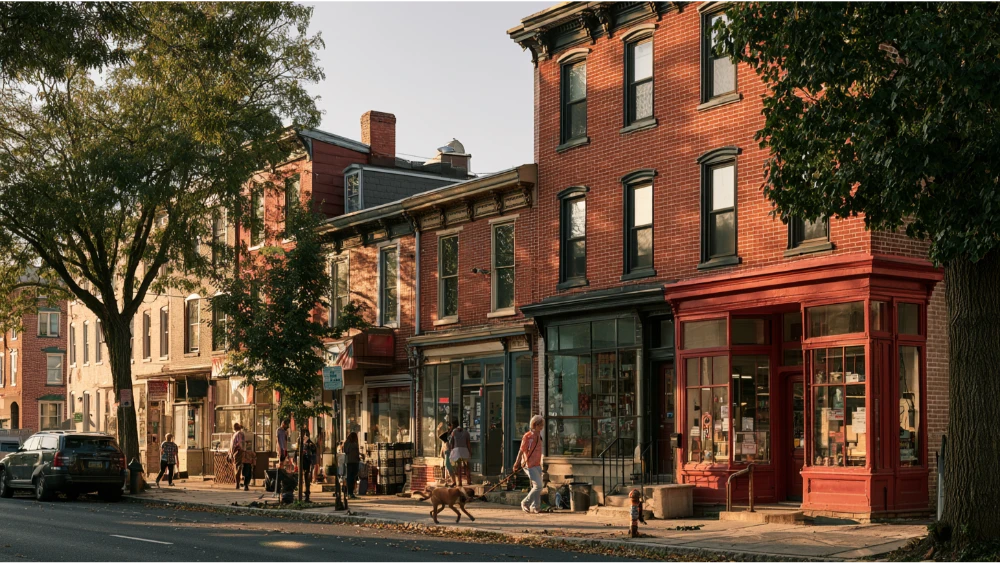
Allentown tends to work well for people who have a job offer in the Lehigh Valley, want more space than they can afford closer to New York or Philadelphia, or value a diverse community with a real regional economy behind it. The Valley supports steady employment in healthcare, logistics, and professional services, which gives the area more economic weight than a city of this size might suggest. For many new residents, the appeal is a balance that’s hard to find elsewhere in Pennsylvania: urban amenities and a walkable downtown without the price tag of a major coastal metro. That mix is a big part of what draws people moving to Allentown PA from pricier markets.
The honest tradeoffs are worth checking before you commit. Commutes to the big metro areas are traffic-sensitive, so “close to New York” and “easy daily commute” are not the same claim. School assignment is tied to the exact address, not the city name. And winter brings real snow-removal and parking responsibilities that belong in your lease conversation. None of these are dealbreakers, but each one changes how living in Allentown actually feels month to month.
Here’s the distinction that trips people up most: a property with an “Allentown, PA” mailing address can sit outside city limits. Lehigh Valley Hospital’s Cedar Crest campus is a clear preview of this. It uses an Allentown address but is physically in Salisbury Township next door. That same gap can affect which school your child attends, which taxes you pay, and which parking and trash rules apply. We’ll keep flagging it throughout, because it changes your actual monthly experience.
Allentown at a Glance: Population, Rent, Income, and Climate
Here’s the quick data snapshot, with every number dated and sourced so you know exactly what you’re looking at.
| Measure | Figure | Source / Date |
|---|---|---|
| Population | 126,044 | Census estimate, July 1, 2025 |
| Land area | 17.55 sq. mi. | Census, 2020 geography |
| Owner-occupied homes | 43.2% | Census, 2020–2024 (so most occupied homes are rented) |
| Median household income | $55,494 | Census, 2020–2024 |
| Mean commute | 24.6 minutes | Census, 2020–2024 |
| Annual snowfall | 33.1 inches | NOAA, 1991–2020 normals |
Those numbers tell you something important about scale. Allentown is the third-largest city in Pennsylvania, behind Philadelphia and Pittsburgh, yet it’s compact enough that most neighborhoods sit within a short drive of the city center. The median age of residents skews younger than the state average, which helps explain the energy in the downtown area. That combination of real-city population and walkable footprint is a big part of why so many people move to Allentown rather than a sprawling suburb.
The climate gives you four distinct seasons. January normals run about 38°F for the high and 22°F for the low, July sits near 86°F and 65°F, and the area averages roughly 33 inches of snow a year. Expect humid summer stretches and freezing winter nights.
One demographic figure matters for new residents: about 48.2% of people age five and older speak a language other than English at home (Census, 2020–2024). Allentown is a genuinely bilingual community, which is why our Spanish-language support is a real service here, not a decoration. For Spanish-speaking families relocating to the area, that matters at every step, from reading a lease to logging a maintenance request.
How Much Do Home Prices and Rents Cost in Allentown?
Before you compare rent numbers, understand that three common figures measure three different things. Mixing them is how relocation guides mislead people.
- Census median gross rent is a historical average of what current residents already pay, including some utilities. It’s a backward-looking benchmark, not today’s asking price.
- HUD Fair Market Rent (FMR) is a 40th-percentile benchmark used for housing programs across the Allentown-Bethlehem-Easton area, which covers Carbon, Lehigh, and Northampton counties. It’s broader than Allentown proper and not a promise for any single unit.
- Current asking rent is what landlords are advertising right now. It changes month to month and runs higher than the older Census median.
| Rent figure | Amount | What it is |
|---|---|---|
| Census median gross rent | $1,317 | Census 2020–2024, historical |
| HUD FY2026 FMR, studio | $1,130 | Regional benchmark |
| HUD FY2026 FMR, 1BR | $1,341 | Regional benchmark |
| HUD FY2026 FMR, 2BR | $1,634 | Regional benchmark |
| HUD FY2026 FMR, 3BR | $2,087 | Regional benchmark |
| Current 1BR asking (benchmark) | around $1,500 | Listing-based, changes monthly |
On taxes, plan for Pennsylvania’s personal income tax of 3.07% and a state sales tax of 6% with no separate Allentown sales tax. City residents also pay a local earned income tax of 1.975% under the adopted 2026 budget, which is separate from the state income tax. That rate runs slightly higher than in some neighboring towns, so recheck it against the latest city budget before you file. Compared with home prices and rents in Philadelphia or the New York metro, these numbers are part of why Allentown offers a lower overall cost of entry for many relocating households.
Then add utilities and transportation as their own budget lines, since some leases include water or trash and others don’t. You’ll see competing guides claim Allentown is both above and below the national cost of living, because those indexes use different methods. Rather than trust one percentage, build your own number. Our Cost of Living Calculator and Rent Calculator let you model rent, taxes, and utilities for your real household size.
Renting a Home in Allentown: Row Homes, Apartments, and What to Ask
Allentown’s rental stock is varied. You’ll find apartment buildings, historic row homes, townhouses, and single-family rentals. The city’s older neighborhoods carry a lot of brick rowhouse charm, while other areas offer newer multi-family units. For context on home prices, the median owner-occupied home value was $206,600 (Census 2020–2024), which tells you something about overall price levels even if you plan to rent. That figure sits well below what you’d pay for comparable space in many East Coast cities, and it’s one more reason the Allentown area draws budget-conscious buyers and renters alike.
The advertised rent is rarely your full monthly housing cost. Utilities, parking, pet fees, and snow or lawn responsibilities can quietly add up. Before you sign, get clear answers on the basics.
- Which utilities are included, and which are yours (water, sewer, trash, gas, electric)?
- Is parking included, permit-based, or street-only?
- What’s the pet policy, and are there deposits or monthly fees?
- Which appliances come with the unit?
- Who handles snow removal and lawn care under the lease?
- How fast does maintenance actually respond?
That last one matters more than renters expect. Our full-service model handles tenant placement, tenant screening, rent collection, property inspections, and maintenance requests through an owner portal, so repairs get logged and addressed without the owner having to lift a finger. When a manager keeps units well maintained, residents stay, which is how KT Rents reports a 98% occupancy rate. Run your numbers through our Rent Calculator before you lock in an address.
Best Neighborhoods and Historic Districts for New Residents
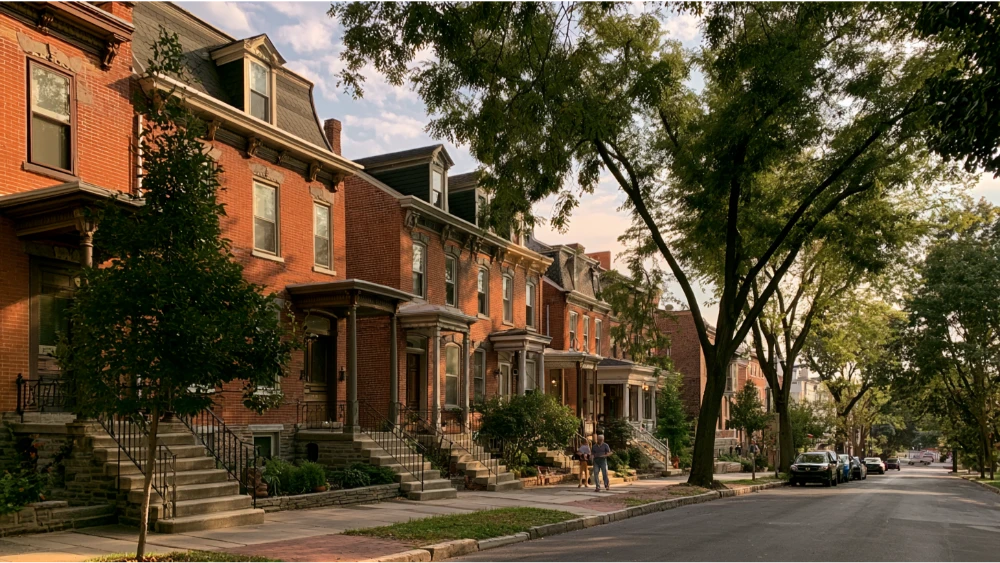
We profile Allentown’s neighborhoods by practical, reader-chosen criteria: housing type, commute, transit, parks, parking, and dining. We don’t rank areas by who lives there. Use these as factual starting points, then verify the exact address. The best neighborhoods for you are the ones that match your commute, your budget, and the way you want to spend your days, which is why we lay out the facts and let you choose.
Center City and Downtown Allentown
Center City and the Hamilton District form the walkable downtown Allentown core, anchored by the arena, arts venues, and the Sixth and Linden Street transportation center. Housing here skews toward apartments and mixed-use buildings, and public transit access is strongest in this part of the city. If you want to live close to events, restaurants, and services with less reliance on a car, this is the area to tour first. Downtown Allentown has seen significant reinvestment over the past decade, which means a growing mix of dining, offices, and residential buildings within a few walkable blocks that appeal to young professionals.
Old Allentown Historic District and Old Fairgrounds
The Old Allentown Historic District and Old Fairgrounds are designated historic districts known for row homes and preserved architecture. If you’re drawn to historic charm and tree-lined blocks near downtown, these neighborhoods deliver it. Expect brick facades, period detailing, and a strong sense of community among allentown residents who value the area’s older character. Street parking is common on these blocks, so ask early about permit zones before you commit to a specific street.
West End, West Park, and the Cedar Creek Area
The West End is known for historic single-family homes and a strong neighborhood feel, with West Park and the Hamilton Park–Cedar Creek area offering green space close by. This part of the city appeals to renters who want more residential quiet and proximity to parks while staying inside the Allentown city limits. Families often gravitate here for the mix of yard space, walkable streets, and easy access to some of the city’s larger parks. It’s one of the more established residential pockets in the west end of town, and homes tend to hold their character well.
East Side, Midway Manor, and South Side
The East Side (including Rittersville) features Middle Eastern dining and established residential streets. Midway Manor is often favored by first-time buyers for its steady housing stock and family-friendly layout. The South Side and Mountainville round out the city’s southern areas. Note that some nearby Lehigh Valley communities use “Allentown” mailing addresses but sit outside city limits, such as Macungie, the second-oldest borough in Lehigh County, and family-oriented pockets like Cumberland Gardens with parks nearby. That boundary affects schools, taxes, and parking, so confirm it for the exact location you’re considering. For official neighborhood boundaries, use the city’s neighborhood-group directory.
Schools and Education in Allentown
The single most important school fact for renters: assignment is based on your exact address. Don’t assume every “Allentown” address falls in the same district. Use the Allentown School District’s address-based School Locator to confirm the assigned school before you sign anything.
The district enrolled 16,769 students with a 15.92-to-1 student-teacher ratio (NCES, 2024–2025). Enrollment requires proof of birth and proof of residency, and for 2026–2027, kindergarten eligibility applies to children who turn five on or before February 1, 2027. Those dates shift by school year, so verify them directly with the district.
Some of the district’s middle and high schools currently carry a Comprehensive Support and Improvement designation. That’s real context, but it doesn’t describe every school identically, and it shouldn’t be used to label the whole district. Pull the school-level performance data, ask about specific programs, and tour the building before deciding. Charter, private, and higher ed options also exist in the area, including several colleges and universities within the Lehigh Valley that give the region a steady student presence. We won’t hand you a “great schools” or “bad schools” verdict, because the honest answer depends on your address and your child.
Jobs and the Lehigh Valley Economy
The Lehigh Valley has a genuinely diverse economy, which is part of why people relocate here. The major industries include healthcare, transportation and logistics, manufacturing, office and administrative work, professional and business services, and leisure and hospitality. The region shook off its rust belt reputation long ago, and today it’s well known for manufacturing and ongoing economic growth, with healthcare as a particularly large employer. Lehigh Valley Health Network alone employs more than 7,800 people, a long way from the days when all the factories defined the local identity.
For the broader picture, the Allentown-Bethlehem-Easton metro (Carbon, Lehigh, and Northampton counties in Pennsylvania plus Warren County in New Jersey) had roughly 405,700 nonfarm jobs in August 2026, up about 1.3% year over year, with a preliminary unemployment rate around 4.3%. These are metro figures, not Allentown city alone, so read them as regional context.
The largest occupational shares in the metro (BLS, May 2025) were transportation and material moving at 13.5%, office and administrative support at 10.4%, and healthcare practitioners at 8.5%. The metro’s mean hourly wage was $30.81, compared with $33.54 nationally, so local pay runs a bit below the national benchmark even as the median income holds steady. Refresh employment and wage data right before you rely on it, since these numbers move. The region’s position along major freight corridors is a big reason logistics and warehousing have grown so quickly, and it’s helped Allentown attract employers that want proximity to Philadelphia, New York, and the broader Northeast market.
If you work remotely, the math changes. A lower regional wage base matters less when your paycheck comes from elsewhere, and Allentown’s housing and space can make it an appealing base for a remote professional who wants more room than the big metros offer. Pair that with a walkable downtown and plenty of parks for a midday break, and the city becomes a practical home base rather than just a cheaper one.
Getting Around Allentown: Transit, Parking, and Commutes
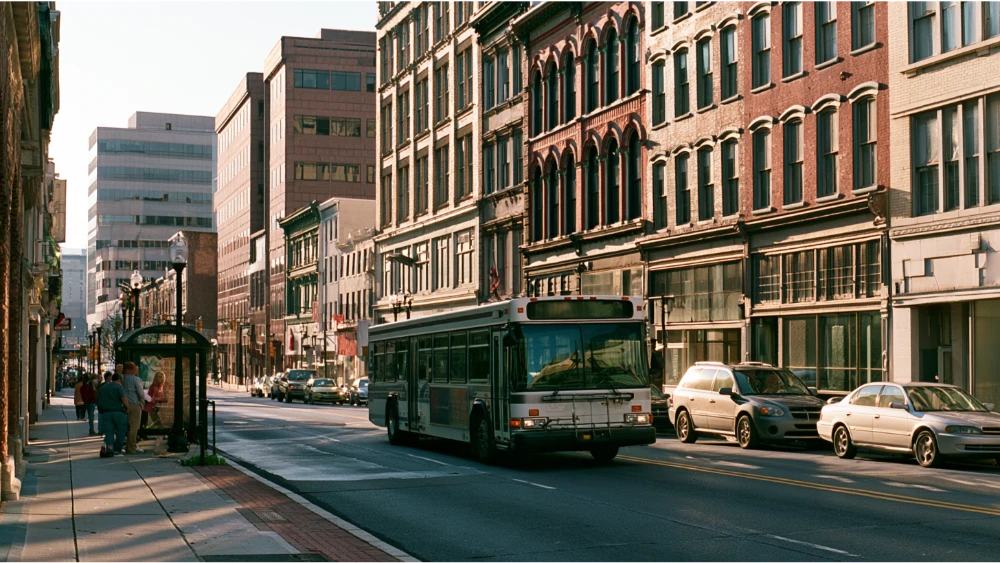
Do you need a car in Allentown? For many residents, yes, though it depends on where you live and work. The mean commute is 24.6 minutes (Census), and the walkable downtown core is the most transit-friendly part of the city.
LANTA runs the local bus system. Current fares are $2.50 for a single ride or three-hour pass, $5 for a day pass, $70 for a 31-day pass, and $1.25 reduced. The downtown transportation center sits at Sixth and Linden streets. Coverage and frequency vary by route, day, and time, so test your exact home-to-work trip in LANTA’s current route planner before you assume the bus will cover your commute.
Parking takes planning in older, denser neighborhoods. Residential permits apply only in designated zones, and getting one generally requires a driver’s license, vehicle registration, insurance card, utility bill, and proof of residency. A permit does not guarantee you a space on a crowded street. If a unit has off-street parking, that’s a real advantage worth paying attention to, especially in the historic districts where on-street parking fills up fast.
On the big-city question: major highways connect Allentown toward Philadelphia and New York, but occasional access is not a daily commute. Drive times swing hard with traffic, there’s no simple one-seat rail commute, and parking at the destination adds cost. Calculate the trip at your actual commute hours before you treat either city as a daily option, and remember that unlike many Philadelphia suburbs with direct rail, Allentown sits farther out. For flights, Lehigh Valley International Airport provides regional air service, which keeps longer trips manageable without a drive to a larger metro airport.
Hospitals and Healthcare Near Allentown
Healthcare access is one of Allentown’s real strengths. St. Luke’s Sacred Heart Campus sits in Center City Allentown and offers a 24/7 emergency department along with surgery, behavioral healthcare, imaging, laboratory services, rehabilitation, and primary and dental care.
Lehigh Valley Hospital’s Cedar Crest campus is the clearest example of why a mailing address doesn’t equal city limits. It uses an Allentown address but is physically in Salisbury Township, adjacent to the city. Its services include a Level I trauma center, a comprehensive stroke center, a children’s emergency room, a Level IV NICU, a regional burn center, and cancer care. For a growing family, that depth of specialized care close to home is a meaningful draw. If being inside Allentown proper matters for your taxes or school assignment, remember that “Allentown” on the hospital’s address doesn’t put the building in the city, and the same can be true of a rental.
Food, Entertainment, and Everyday Life in Allentown
Daily life in Allentown has more texture than its size suggests, from international food to a working arts scene and regional sports. For new residents weighing a move, this is where the city’s character really shows up, and the mix of food and entertainment is a big reason people stay.
Dining and the Seventh Street Corridor
The Seventh Street international food corridor is a good place to start, with a mix of restaurants and cuisines that reflects the city’s diversity. Downtown Allentown has a growing restaurant scene, the East Side is known for Middle Eastern food, and the Allentown Fairgrounds Farmers Market is a reliable stop for produce and local vendors. Whether you want a quick lunch near the office or a weekend sit-down with family, the range of restaurants across these neighborhoods makes it easy to eat well without leaving the city.
Arts, Miller Symphony Hall, and Events
Culture anchors include the downtown science center, the Allentown Art Museum (currently free general admission), and Miller Symphony Hall, home to the symphony orchestra. The museum also displays a bronze cast tied to Leonardo’s unfinished DaVinci Horse project, a quiet nod to the region’s appreciation for art and craft. The downtown arena hosts concerts and events through much of the year, giving residents a steady calendar without leaving the city. For a community of this size, that’s a notable amount of programming within walking distance of downtown Allentown apartments.
Sports and Seasonal Attractions
Baseball fans have the Lehigh Valley IronPigs at Coca-Cola Park, with other regional teams nearby. Seasonally, the Great Allentown Fair draws big crowds, and Dorney Park offers rides and a water park in the warmer months. Add in everyday shopping and errands, and you get a city where you can actually feel at home, not just housed.
Parks, Trails, and Outdoor Recreation
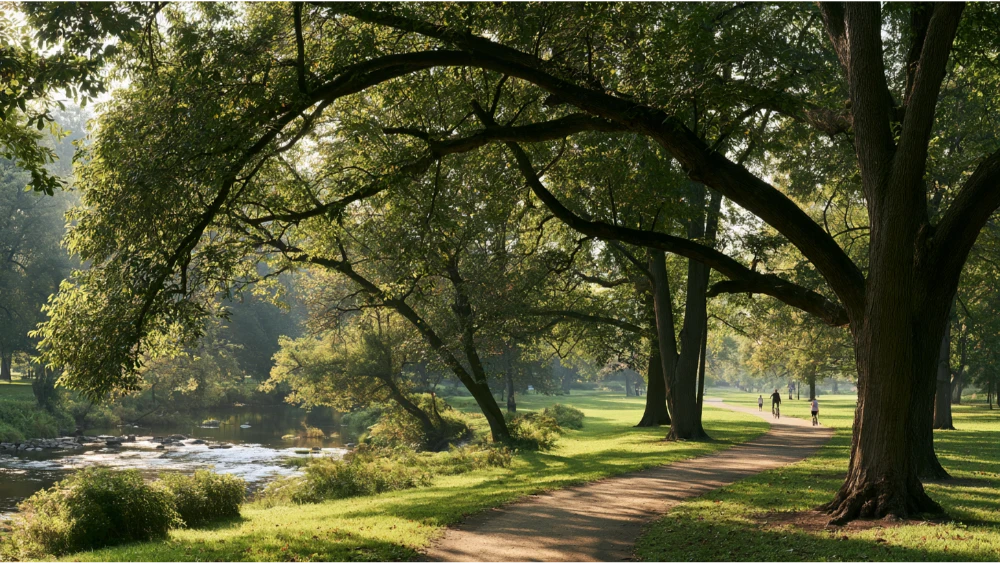
Allentown invests seriously in green space, and its parks system is one of the strongest selling points for anyone weighing a move. The adopted 2026 parks plan identifies nearly 1,415 acres across close to 40 public sites, which is roughly 12% of the city’s land area. That’s a concrete quality-of-life draw, not marketing fluff.
Highlights include Lehigh Parkway, Cedar Creek Park, Trexler Park, and West Park, with greenways tracing the Lehigh River and trails connecting much of the system. These parks give families room for weekend outings, give runners and cyclists a real network of trails, and give downtown residents green relief a short distance from home. The city also runs pools, a municipal golf course, and recreation programs. If being able to walk, run, or bike near home matters to your decision, tour the parks closest to any rental you’re considering and see how they fit your routine. In many neighborhoods, a good park is just a few streets away, which is part of what makes living in Allentown feel more spacious than its footprint suggests.
Weather, Four Distinct Seasons, and Winter Responsibilities
Allentown gives you four distinct seasons. Using NOAA 1991–2020 normals, January runs about 38.4°F high and 21.8°F low, July hits around 86.4°F and 64.7°F, the annual average is 53.1°F, precipitation totals 47.36 inches, and snowfall averages 33.1 inches. Translation: humid summers and freezing winter nights, with enough snow to make winter logistics a real lease consideration.
During declared snow emergencies, vehicles must be removed from designated routes or risk a ticket or tow. The city listed roughly 30 designated snow-emergency streets in its January 2026 notice. If your unit relies on street parking along one of those routes, that’s something to know before winter, and off-street parking becomes more valuable than it looks in July.
Clarify in your lease who clears sidewalks and driveways, since that responsibility varies. For trash, the city generally collects garbage twice weekly, recycling once weekly, and yard waste every other week, on an address-specific schedule. Confirm your pickup nights when you move in. These small logistics add up over a winter, and they’re exactly the kind of detail our full-service management keeps off your plate when we handle the property.
How to Evaluate Safety Near an Allentown Rental
We won’t hand you a “safe” or “unsafe” label for any neighborhood, and we’d be skeptical of any guide that assigns a single citywide crime score to an entire area. The responsible way to evaluate safety is address-specific.
Allentown launched a real-time police incident dashboard in May 2025. It contains anonymized incidents from January 1, 2024 onward, updates nightly, and lets you filter by incident type, date, and geographic area. That’s the tool to use for a specific block. For citywide context, the city reported four homicides in 2024, down from 17 in 2023, part of a broader decline in several categories. That trend is real, but it doesn’t mean every block carries the same risk.
Beyond the data, do the legwork. Check the exact area rather than a score, visit at different times of day, and look at lighting, parking, building access, traffic, and how responsive the property management is. A well-managed building with fast maintenance is part of the safety picture too, which is one more reason the quality of your landlord matters as much as the location itself.
Your First 30–60 Days After Moving to Allentown PA
Pennsylvania has firm deadlines for new residents. Put these on a checklist and knock them out early.
- Vehicle title and registration: apply within 20 days of establishing residency (PennDOT).
- Driver’s license: transfer an out-of-state non-commercial license within 60 days (PennDOT).
- School enrollment: bring proof of birth and proof of residency.
- Parking permit: apply if your address falls in a designated residential permit zone.
- Utilities: set up accounts and confirm which services are your responsibility versus included in rent.
- Trash and recycling: confirm your address-specific collection schedule.
- Voter registration and mailing address: update both once you’re settled.
Hiring local movers can save time and cut down on the heavy lifting during the chaotic first week, especially if you’re navigating permit zones and snow-emergency streets on a tight timeline. Once you’re in, our seamless rent payment, maintenance-request intake, and owner-portal infrastructure keep the practical stuff simple, so a broken appliance or a question gets handled without a runaround. That’s the kind of support that helps new residents settle into a neighborhood faster and start feeling like part of the community.
Should You Rent or Buy in Allentown?
There’s no universal answer, so weigh the factors that actually apply to you. Your time horizon matters most: buying usually makes more sense the longer you plan to stay. Think about maintenance responsibility, since owning puts repairs and snow removal on you rather than a manager. Consider your cash reserves for a down payment and surprises, and how stable your job or income is.
For context, the median owner-occupied home value was $206,600 (Census 2020–2024), and most occupied homes in the city are rented, with only 43.2% owner-occupied. Those home prices make ownership attainable for some households compared with pricier markets like Philadelphia, but that rental-heavy market also gives relocating families real flexibility while they get to know the area and its neighborhoods. Before you decide, run the numbers through our Rent vs. Buy Calculator and Mortgage Calculator so the choice is based on your budget, not a guess.
Find an Allentown Rental Before You Start Packing
KT Rents is a full-service, broker-owned rental and property management platform that’s operated across the U.S. since 2009, giving us 16+ years helping people land in the right home. We’re a nationwide platform, which means we can support your search wherever your move takes you, whether that’s a row home in a historic district or an apartment in downtown Allentown. When you find a place you love in the Keystone State, you can start packing with the confidence that someone has your back after the lease is signed.
Our renter promise is simple: we want you to feel at home, not just housed. That includes perks after the lease is signed, like housewarming gifts and discounts on home goods. When you’re ready, Browse Rental Properties Near You or submit a rental application to get moving. Questions? Call (800) 716-4950, text (608) 207-0657, or email info@ktrents.com, and you’ll hear back within 24 hours. Se Habla Español, with Spanish-speaking support ready to help. Your Rental. Your Way.
Frequently Asked Questions
Is Allentown, PA a good place to live?
Yes, for people who want a mid-sized Lehigh Valley city with a diverse regional job market, strong healthcare access, substantial parkland, and a mix of historic and newer rentals. Before committing, verify the specific address’s commute, assigned school, parking rules, and full monthly budget, since those vary across the Allentown area and even from street to street.
Is Allentown blue or red?
Allentown has historically leaned Democratic in municipal and many recent elections. For current, authoritative results, check official Lehigh County and Pennsylvania state election records rather than relying on a general characterization.
What is a good salary in Allentown, PA?
It depends on your household size, rent, and tax situation rather than a single figure. For context, median household income was $55,494 (Census 2020–2024) and the metro mean hourly wage was $30.81 (BLS, May 2025). Use our Cost of Living and Rent Calculators to model the number that fits your own budget.
What are the racial and ethnic demographics of Allentown, PA?
Allentown is a diverse city, and about 48.2% of residents age five and older speak a language other than English at home (Census 2020–2024). For full, current demographic breakdowns, see the U.S. Census Bureau’s QuickFacts page for Allentown.
How does Allentown compare to Philadelphia and Pittsburgh?
Allentown is Pennsylvania’s third-largest city after Philadelphia and Pittsburgh, and it typically offers lower home prices and rents than Philadelphia while keeping access to a walkable downtown, strong hospitals, and an active parks system. Historically a town built on industry, it has reinvented itself well beyond the days of the Liberty Bell era and the Revolutionary War, when nearby sites played a role in the nation’s founding. The tradeoff today is a smaller job market and no simple daily rail commute to the bigger metros, so weigh your work situation and lifestyle before you move to Allentown.