

Lancaster, Pennsylvania
Homes for rent and for sale — search the map or open the full city SEO catch-all page.
Lancaster, Pennsylvania
Moving to Lancaster, Pennsylvania means joining a compact, walkable city of about 58,366 residents with a median home sale price near $275,000, strong healthcare including a Level I Trauma Center, and Amtrak access to Philadelphia and New York. The metro cost of living sits roughly 1.8% below the national average, but local wages trail U.S. averages, so weigh your salary against current asking rents around $1,600 before committing. Choosing between Lancaster City and Lancaster County is the single most important decision you will make.
Moving to Lancaster Pennsylvania
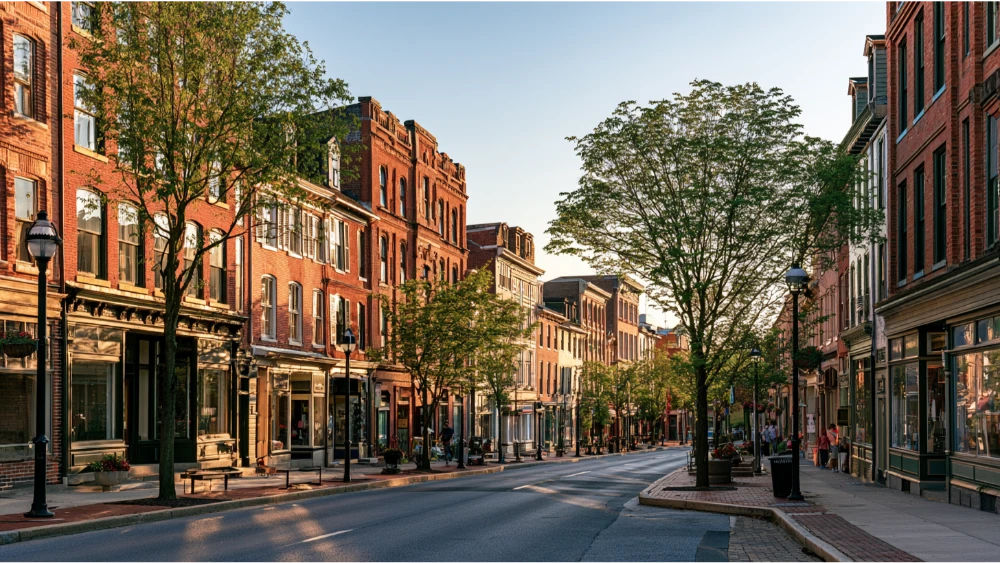
Moving to Lancaster PA means stepping into a compact, walkable city with a strong food and arts scene, major healthcare nearby, four distinct seasons, and Amtrak connections to larger East Coast cities. Housing here runs cheaper than in most big metros, with a median sale price around $275,000, though the median income locally is lower than the national average too. The single thing to grasp before anything else: your experience depends heavily on whether you choose Lancaster City or a surrounding Lancaster County municipality. This guide is for anyone relocating from across the U.S. who wants the real picture of living in Lancaster, not a tourist brochure. Whether you are a single professional, a couple, or one of the many families that move here each year, the details below will help you plan.
First, Know the Difference Between Lancaster City and Lancaster County
Lancaster City is the compact urban core and the county seat, home to about 58,366 residents as of July 2025 across just 7.23 square miles. Lancaster County is everything around it: boroughs, townships, robust farmland, and some of the country’s oldest Amish communities. The distinction matters because price, schools, taxes, and transportation all shift by geography. What Lancaster County offers outside the city limits is different from downtown life, so throughout this guide every statistic is labeled city, county, or metro.
Lancaster at a Glance: Population, Income, and Daily Life
- Population (city): 58,366 (July 2025)
- Median household income (city, 2020-2024): $63,690 (some area figures run lower, closer to $46,150, so check which geography a source means)
- Mean commute (city): 23.6 minutes
- Multilingual community: about 32.6% of residents speak a language other than English at home
- Broadband access: roughly 90.3% of households
Lancaster County is also home to one of the oldest Amish communities in the United States, and that tradition shapes the region’s farms, markets, and roadways. For many new arrivals, this blend of modern city living and deep rural roots in central Pennsylvania is what makes living in Lancaster PA feel like a great place to settle.
Affordable Cost of Living in Lancaster
| Figure | Geography | Date |
|---|---|---|
| $1,240 median gross rent | City (existing tenancies) | 2020-2024 Census |
| ~$1,600 average asking rent | City, all unit types | as of Sept 26, 2026 |
| ~$264,874 median sale price | City | 3 months ending Sept 2026 |
| $370,000 median sold price | County | Sept 2026 |
| Regional Price Parity 98.18 (U.S. = 100) | Metro | 2024 |
The metro’s price level sits about 1.8% below the national average, and everyday expenses like groceries tend to run lower, which is a big part of the affordable cost that draws people here. Don’t just call Lancaster cheap, though. The asking rent and current sale figures are volatile and should be checked right before you commit, and the Census median rent reflects long-standing tenants, not what you’ll pay for a newly listed unit. Pair any housing cost with the reality that local wages trail the national average. Compared with the big city budgets of nearby major cities, that affordable cost still leaves more room in most paychecks. What PA offers here is genuine value without a big-metro price tag.
Should You Rent First or Buy Right Away?
Treat this as a decision, not a verdict. Renting first lets you learn neighborhoods, commutes, and parking before you lock into a mortgage, which matters in a market where homes sell fast. Buying gets you in faster if you already know the area, but factor in maintenance and closing costs that renters skip. Run the numbers with the KT Rents Rent vs. Buy Calculator and Rent Calculator before you decide either way.
Comparing Lancaster Neighborhoods and Communities
Downtown Lancaster pairs historic charm with modern conveniences and an arts-focused community, and the surrounding areas vary widely. Many residents choose safe neighborhoods near parks and transit, but rather than ranking them, compare each against your own daily needs:
- Distance to work or school
- Need for off-street parking
- Access to Amtrak or a bus route
- Housing type: row homes, apartments, or detached houses
- Proximity to parks, groceries, and healthcare
- Historic-property upkeep expectations
- Exact school assignment and valid rental-license status
The city’s own neighborhood boundaries are unofficial and were last mapped in 2017, so use names like West End, Musser Park, or Chestnut Hill for orientation, not as hard real estate lines. Most areas are conveniently located near the core, so take time to explore a few on foot before you commit.
Lancaster’s Job Market and Local Wages
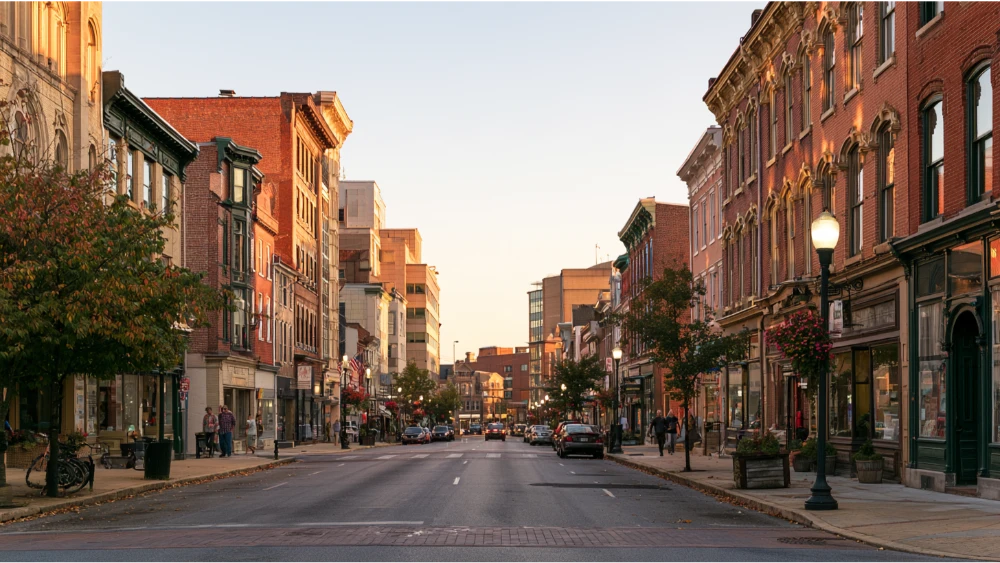
The Lancaster metro reported a 3.2% unemployment rate in August 2026 and roughly 273,100 nonfarm jobs. The job market base is diversified, and the major employers span several sectors:
- Trade, transportation, and utilities: 57,700
- Education and health services: 55,700
- Manufacturing: 37,200
- Leisure and hospitality: 28,000
- Professional and business services: 27,700
Tourism also feeds the local economy. Be direct about pay, though: the average weekly wage was $1,239 in Q1 2026 against $1,654 nationally. If you’re relocating for a job or working remotely, weigh your actual offer against housing costs and the local earned-income tax before you move.
Getting Around: Driving, Trains, Buses, and the Airport
Most residents drive, with easy access to Route 30 and the PA Turnpike and about a 90-minute trip to Philadelphia. The city is also easily accessible from York and other central Pennsylvania towns by car. Lancaster’s Amtrak station, served by the Keystone Service and Pennsylvanian, links you to Philadelphia, New York, Harrisburg, Pittsburgh, and Washington; it handled 464,190 riders in fiscal year 2024. That direct line to Philadelphia makes weekend trips easy. Red Rose Transit Authority runs local buses (check current fares, they change). Lancaster Airport offers limited scheduled service, including Chicago flights at 12 round trips per week. Car-free living works downtown or on a bus route, but outlying townships realistically require a vehicle. If you’ll need a residential parking permit, note it requires Pennsylvania plates and a current state inspection, so plan your registration timing.
Schools and Educational Opportunities in Lancaster County
School assignment depends on your exact address, so verify it through the School District of Lancaster’s official school finder rather than assuming. The district serves about 10,075 students who speak 51 languages, with International Baccalaureate, Advanced Placement, dual enrollment, career and technical education, and language services. Lancaster County has 16 school districts plus a charter and a large homeschool community, which gives families real options. To compare schools fairly, use Pennsylvania’s Future Ready PA Index, which reports assessment and college-and-career indicators instead of a single commercial score. Enrollment typically requires proof of birth, immunization records, and proof of residency, with information available in English and Spanish. The area’s educational opportunities also include more than ten colleges and universities.
Hospitals and Healthcare Options
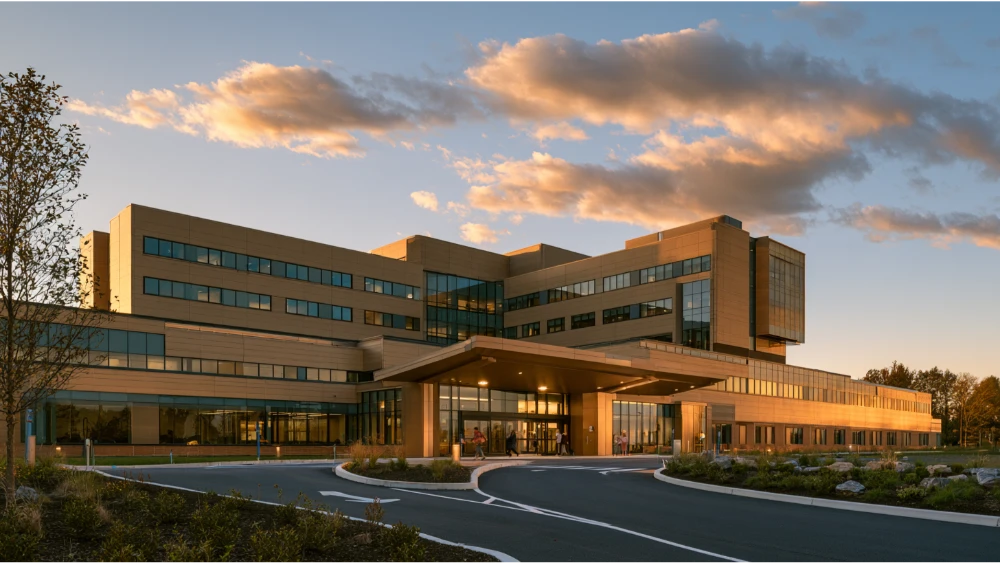
Lancaster General Health runs Lancaster General Hospital in the city with 525 beds and the county’s only Level I Trauma Center, which treats more than 3,500 trauma patients a year and runs a 16-bed trauma ICU. Outside the city, UPMC Lititz is a 148-bed community hospital with a Level III NICU, and Penn State Health Lancaster Medical Center adds another option in the county. If you have ongoing care, confirm your providers and insurance network before you sign a lease.
Food, Central Market, and Everyday Lifestyle in Lancaster
Lancaster’s food scene goes well past the Pennsylvania Dutch cliche. Central Market, one of the country’s oldest public markets, offers fresh produce from local farmers markets and homemade goods, while Southern Market operates as a multi-vendor food hall. Among the restaurants you’ll find Nepalese, Burmese, Japanese, French, Puerto Rican, Dominican, and Mediterranean kitchens alongside farm-to-table spots and classic PA Dutch smorgasbords. On a Saturday morning, the market stalls fill early, so arrive before the crowds. The arts calendar runs strong too, from symphony performances to professional baseball at Penn Medicine Park.
Fulton Opera House, First Friday Events, and the Arts
For the arts, there’s the Fulton Opera House (among the oldest working theatres in the U.S.), Gallery Row, and Penn Square’s historical sites tied to the American Revolution era. First Friday events bring galleries, shops, and restaurants together every month, and those Friday events are a fun way to meet new friends. These regular gatherings have grown in recent years into a reliable community ritual.
Small Town Charm Meets Big City Amenities
The county’s Amish culture remains part of the regional identity, visible in the hand crafted furniture and roadside produce stands, but the city itself is a multilingual, modern place to live. Lancaster offers big city amenities with a small town feel, which is a rare pairing. For dining and nightlife, few mid-size cities match what Lancaster County offers, and the scenic beauty of the surrounding farms is never far away. That small town charm makes it an attractive option for people leaving larger metros.
Parks, Outdoor Activities, and the Outdoors
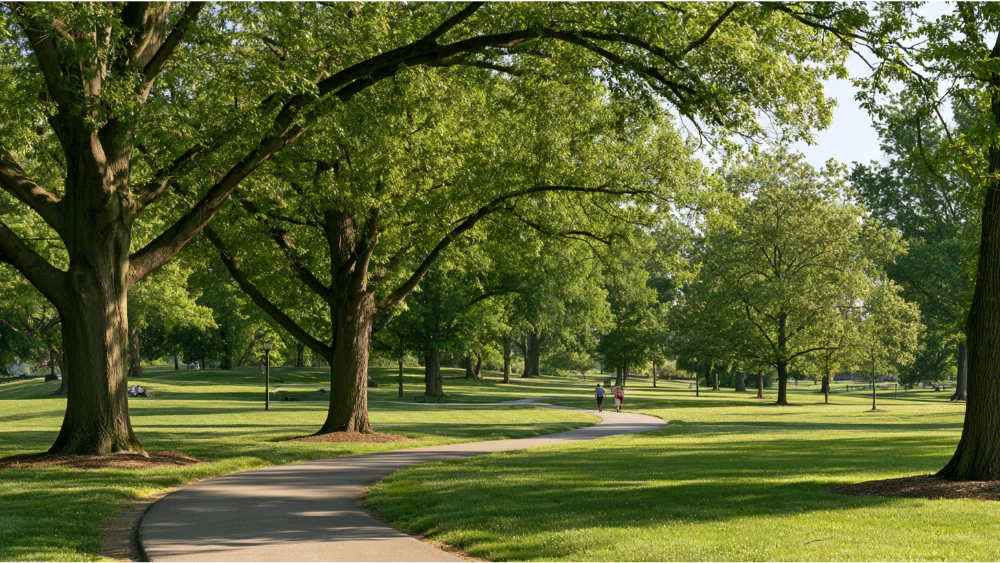
The city maintains 24 parks plus one county park within its limits, including Buchanan, Musser, and Reservoir parks, with Long’s Park hosting free summer concerts. These give you everyday green space and dog-friendly areas, and by early spring the trails are ready for use. For bigger outdoor activities, explore the county’s hiking, biking, fishing, and kayaking on the Susquehanna River, set against rolling hills and farmland. For many, these outdoor options make the area an ideal location for an active lifestyle.
Weather and What to Expect by Season
Lancaster gets four real seasons. January averages a high near 39.9°F and a low near 22.2°F, while July climbs to about 87.0°F with humidity. Average annual snowfall sits around 21.4 inches (a 1991-2020 long-term normal, not a forecast). For city renters, that means planning for snow removal and figuring out where you’ll park when the plows come through.
Taxes and What New Residents Should Set Up
Pennsylvania’s personal income tax is 3.07%. Lancaster City residents pay a 1.6% earned-income tax, usually deducted through payroll, and people working in the city may owe a $52 Local Services Tax. County municipalities differ, so your exact taxes depend on both your home and work addresses. Once you’ve picked a place, run through this setup list:
- Verify the rental has a valid city license (city rentals are inspected at least every six years, and about 12,000 pre-1978 units are being checked for lead)
- Set up utilities and change your address
- Register your vehicle and apply for a parking permit
- Enroll children in school and establish healthcare providers
- Set up rent payment and maintenance-request procedures
KT Rents’ renter tools and online rent payment make that last step simple once you’re settled.
Pros and Cons of Moving to Lancaster
Pros:
- Compact, walkable urban core
- Strong food and arts scene
- Major healthcare, including Level I trauma care
- Amtrak rail access to Philadelphia and other East Coast cities
- Diversified employment and plenty of parks
- Big city amenities with small-town historic charm
- Housing well below major cities
Cons:
- Rising housing costs
- Local wages below the U.S. average
- Car dependence outside central areas
- Local earned-income tax
- Cold, snowy winters
- Competitive housing inventory
Frequently Asked Questions
Is Lancaster, PA a good place to live?
For many people, yes. The food, arts, healthcare, walkable core, and rail access to Philadelphia are real draws, and the affordable cost of living in Lancaster PA helps. Just weigh housing costs against local wages and decide whether city or county life fits you better.
What salary do you need to live comfortably in Lancaster, PA?
There’s no single number. Compare any offer to current asking rents around $1,600 and a local average weekly wage near $1,239, then factor in the earned-income tax. The KT Rents Cost of Living Calculator can help you model it.
What’s the difference between Lancaster City and Lancaster County?
Lancaster City is the compact urban county seat of about 58,366 people. Lancaster County is the larger region around it, including boroughs, townships, farms, and Amish communities, with different prices, schools, and taxes.
Can you live in Lancaster without a car?
It’s possible downtown or on a Red Rose Transit bus route, where walkability and transit cover most daily needs. In outlying townships, a car is realistically necessary.
Is it better to rent or buy when first moving to Lancaster?
Renting first lets you learn the area before committing in a fast-moving market. Run your own numbers with the KT Rents Rent vs. Buy Calculator.
Find Your Next Home With KT Rents
KT Rents is a full-service, broker-owned company operating nationwide since 2009, here to support your move and your budget wherever you land. Start with our Rent Calculator, Rent vs. Buy Calculator, and Cost of Living Calculator, then browse rentals to compare what fits. Property owners: our broker-owned full-service management covers tenant placement, tenant screening, rent collection, property inspections, and court evictions across the U.S. Ready to talk? Call (800) 716-4950 or browse listings to get started.