

State College, Pennsylvania
Homes for rent and for sale — search the map or open the full city SEO catch-all page.
State College, Pennsylvania
Moving to State College, Pennsylvania means settling into a compact college town of about 4.6 square miles built around Penn State, where median rent ran $1,273 and the local unemployment rate was 3.0% as of August 2026. The rental market runs on the academic calendar, so units move fast. Verify your exact municipality before signing any lease, since your address determines your taxes, schools, and services.
Moving to State College, Pennsylvania
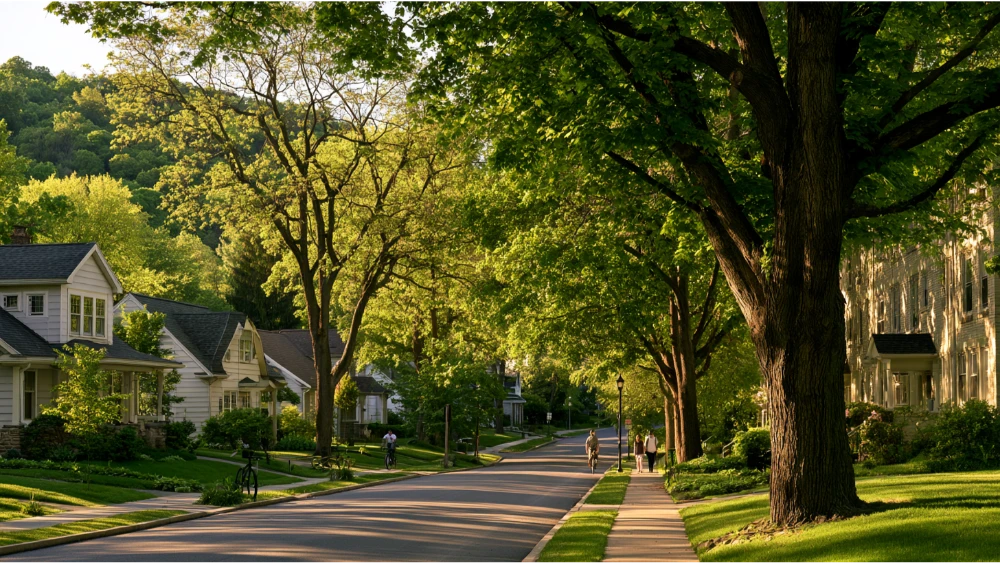
Moving to State College Pennsylvania means settling into a small town in Centre County built around Penn State, with short commutes, four distinct seasons, strong arts and outdoor access, and a housing cycle tied to the university’s calendar. You’ll find a walkable, bike-friendly downtown, a major university shaping the cultural and economic life around you, and plenty of parks within reach. One thing newcomers get wrong early: a State College mailing address is not the same as the borough. Where you actually live changes your services, taxes, and even your kids’ school. We’ll walk you through all of it so you can rent with confidence.
First, Understand the State College and Centre County Map
State College Borough covers only about 4.6 square miles, but the postal area reaches far beyond it. Many homes with a State College address sit inside surrounding townships: College, Ferguson, Halfmoon, Harris, or Patton. University Park, PSU’s main campus, is its own piece of the puzzle. Your exact location drives rental permits, parking rules, refuse collection, taxes, and school assignment. Before you sign anything, verify the municipality, not just the ZIP code.
How Much Does It Cost to Live in State College, PA?
Census figures (2020 to 2024 ACS) give a historical baseline, not a current quote. Median gross rent was $1,273, median owner-occupied home value was $437,800, and owner-occupancy sat at 26.1%. Heavy student housing and renting by the bedroom versus renting a whole unit skew these averages, so they don’t tell your full story. Build a real budget around:
- Utilities and heating (winters run cold)
- Parking, whether included or permitted
- Security deposits and move-in costs
- Transportation
Run the numbers with our Rent Calculator and Cost of Living Calculator before you commit.
Should You Rent First or Buy in Happy Valley?
Renting first makes sense if you’re new to Happy Valley and still learning which area fits your week. The academic-calendar leasing cycle and low borough owner-occupancy (26.1%) mean the market moves differently than most. Renting gives you time to learn the community before making a longer commitment. Taking that time is an advantage when every neighborhood here feels a little different. Neither renting nor buying is automatically right, so weigh your timeline honestly. Our Rent vs. Buy and Mortgage calculators can help you compare before you decide.
State College Neighborhoods and Surrounding Communities
The borough recognizes several established areas. Here’s an objective comparison to start your search for a home, and you may discover a few corners that surprise you.
| Area | Housing types | Campus/downtown proximity | Parking |
|---|---|---|---|
| College Heights | Single-family, some rentals | Close to campus | Mostly street |
| Holmes-Foster | Single-family, apartments | Walkable to downtown | Street permits common |
| Highlands | Mixed housing | Adjacent to downtown | Limited, permit areas |
| Greentree/Vallamont | Single-family | Farther out | More off-street |
Local government also offers housing assistance and social-service resources. Before applying, confirm the municipality, school boundary, parking rules, and event-day restrictions for the exact address.
What Renters Should Check Before Signing a Lease
As a broker-owned, full-service company, we know which questions save you grief later. These tips come from years of tenant placement and property inspections. Borough rentals are inspected at least once every 36 months, so permits matter. Before you sign:
- Confirm the exact unit, address, and municipality
- Verify an active borough or regional rental permit
- Confirm legal occupancy, not just bedroom count
- Ask who handles maintenance and how to report it
- Confirm utilities, parking, and snow-removal responsibility
- Check lease dates and renewal terms
- Photograph move-in condition
Schools, Jobs, and Healthcare in the Centre Region
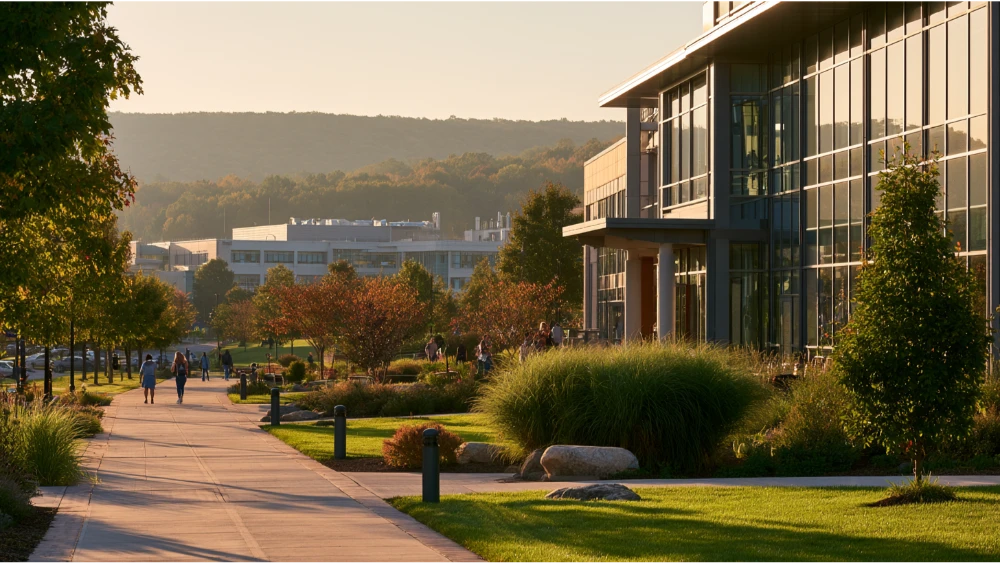
The State College Area School District serves roughly 6,800 students across 8 elementary, 3 middle, and 2 high schools, plus a K-12 virtual academy, over a 150-square-mile area. Kindergarten students must turn 5 by August 31, and registration needs ID, immunization records, and proof of residency. A mailing address doesn’t guarantee a school, so check the attendance maps. Strong schools give families a real head start toward long-term success.
The local economy ran about 78,300 nonfarm jobs with 3.0% unemployment in August 2026 (not seasonally adjusted). Penn State anchors it, but healthcare, government, schools, research, retail, hospitality, construction, and small business all hire, so job opportunity reaches beyond campus. For healthcare, Mount Nittany Medical Center offers 260 beds, 220-plus providers across 30-plus specialties, and a 48-bed emergency department. Verify your insurance network and primary-care access. The area carries a family-friendly reputation.
Getting Around, Weather, and Outdoor Recreation
The mean commute is 15.5 minutes, and downtown plus campus are genuinely walkable and bike-friendly. CATA fares run $2.50 per single ride and $7 for a day pass (as of 2026), with fare-free Blue, White, and Red loops. State College Regional Airport offers nonstop service to Charlotte, Philadelphia, Chicago, and Washington Dulles (as of October 2026, routes change). A car becomes more useful in the outer townships.
Expect four seasons and about 43.8 inches of annual snowfall (NOAA 1991 to 2020 normals), so plan for snow removal, winter tires, and heating costs. For recreation, the borough has 13 parks (115 acres) and townships add 37 more (656 acres). Bald Eagle State Park and its 5,900-acre lake open up fishing and water activities, with hiking, biking, and trails in the surrounding mountains and state forests. The Penn State Arboretum is a quiet spot for a walk when you want green space close to campus. Being surrounded by this much outdoor access is one of the real benefits of living here, and the fun doesn’t stop when the weather turns.
Food, Culture, and the Bryce Jordan Center: How Penn State’s Calendar Shapes a Small Town

Downtown packs international dining, locally owned shops, theaters, galleries, and murals into a compact footprint. Penn State museums, performances, the Central Pennsylvania Festival of the Arts, and events at the Bryce Jordan Center keep the calendar full. These features give State College the lively feel people love in the best college towns. College sports pull students, alumni, and residents together, and that shared warmth is a big part of what makes this an ideal place for people who want a connected community. For many Penn State alumni, it stays a great place to put down roots. The tradeoff: home-football Saturdays, student move-in and move-out, and graduation create traffic, parking pressure, and crowded grocery stores. Because the academic calendar drives rental timing, start your search early. Ask current residents for feedback before you choose a block, since their day-to-day take is worth a lot.
Your State College Moving Checklist and New-Resident Deadlines
Before signing: verify municipality, school boundary, rental permit, utilities, parking, and maintenance process.
Before arrival: arrange insurance, utilities, internet, school enrollment, and medical providers.
First 30 to 60 days: complete your PennDOT deadlines, learn CATA routes, confirm refuse and recycling rules for your municipality, and update voter and employer records. Meeting neighbors early makes settling in easier and helps you build friends in a new place. Pennsylvania gives new residents 20 days for vehicle title and registration, 60 days for a driver’s license, and 10 days after registering for a safety inspection.
Find Your Next State College Home with KT Rents Today
As a nationwide, broker-owned, full-service real estate resource, we help you compare options and seize the opportunity to move with confidence. Browse rental listings, run the numbers with our Rent, Rent vs. Buy, Mortgage, and Cost of Living calculators, and submit a rental application when you’re ready. This is a unique market, and making an informed choice starts today. Your Rental. Your Way. Questions? Call us at (800) 716-4950.
Frequently Asked Questions
Is State College, PA a good place to live?
Yes, for many people. Short commutes, strong education and healthcare anchors, arts, and outdoor access make it an appealing place. The tradeoffs are event-day traffic and a smaller regional job market.
What are winters like in State College?
You’ll get four distinct seasons and about 43.8 inches of snow a year (NOAA normals). Prepare for snow removal and winter driving.
Do you need a car in State College?
Downtown and campus areas are walkable and bikeable with fare-free CATA loops. A car helps more if you live in the outer townships.
When should I start looking for a rental?
Start early. The academic calendar drives leasing demand and renewal timing, so the best units move fast.