

North Dakota
Rental and for-sale inventory across cities we serve in this state.
Moving to North Dakota? The Ultimate 2026 Guide
Explore
Cities in this state
North Dakota is emerging as a key destination for relocation in 2026, driven by its economic growth and diverse job opportunities. The state offers affordable housing with a median home value significantly below the national average, providing an attractive option for new residents. Understanding regional differences and planning for the move are crucial for a successful transition.
Moving to North Dakota: Your Ultimate Guide to the Peace Garden State
2026 Economic Outlook: Why North Dakota is on the Rise
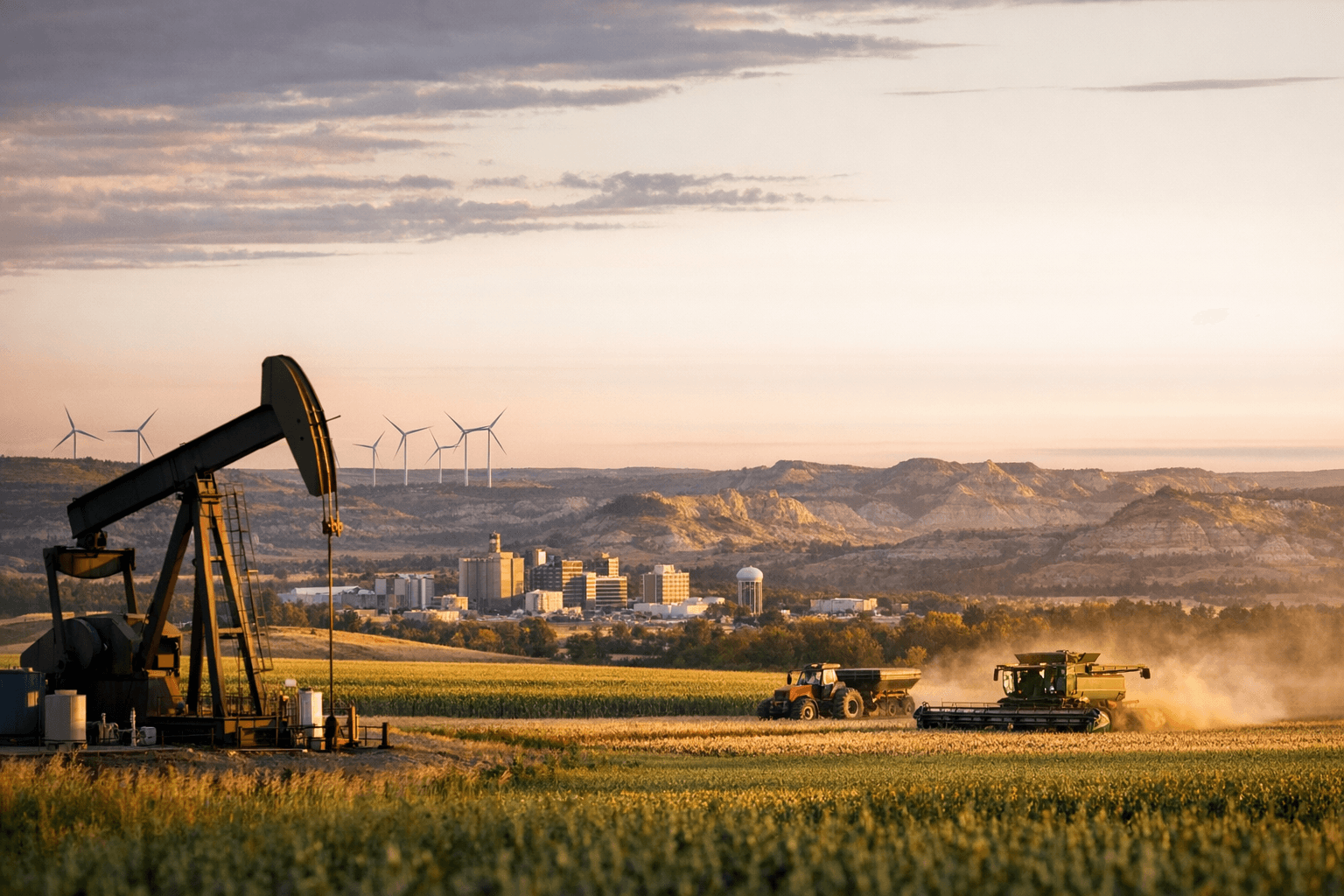
Economic growth drivers in North Dakota
North Dakota’s economy is projected to grow by 3.5% annually from 2026 due to its strong agricultural and energy sectors. The state’s GDP reached $57 billion in 2026, positioning it as a significant contributor to the regional economy. Key drivers include advancements in agricultural technology and increased oil production. The agriculture sector benefits from cutting-edge agribusiness research at institutions like North Dakota State University, which focuses on sustainable farming practices and crop yield improvements, ensuring North Dakota remains a leader in this industry.
Key industries and employment opportunities
The energy sector, particularly oil and gas, employs over 25,000 people as of 2026, making it a leading industry in North Dakota. Additionally, the technology sector is expanding, with the state becoming part of the ‘silicon prairie’. The unemployment rate is expected to remain low at around 2.8% in 2026, offering diverse job opportunities. The tech industry’s growth is bolstered by initiatives that encourage innovation and startups, providing new job roles and opportunities for young adults looking to enter the workforce in a dynamic environment.
Future trends shaping the state’s economy
Renewable energy is a growing focus, with North Dakota investing $850 million in wind energy projects by 2026. The state is also developing its infrastructure to support foreign trade zones, potentially increasing exports by 15% over the next five years. This shift aims to diversify the economy and create new job sectors. The commitment to renewable energy not only reduces the state’s carbon footprint but also positions North Dakota as a leader in environmental sustainability, attracting companies focused on green technology.
Financial Planning for Your Move to North Dakota
Cost of living compared to other states
The cost of living in North Dakota is approximately 7% lower than the national average in 2026. Utilities cost around $180 per month, and groceries are 5% less expensive than in neighboring states. This affordability makes North Dakota an appealing choice for families and young adults. The state’s cost-effective living conditions are complemented by lower housing prices and rent averages, allowing new residents to enjoy a higher quality of life without breaking the bank.
Understanding housing market fluctuations
North Dakota’s housing market has stabilized, with the median home value at $250,000 in 2026, down from the peak of $270,000 in 2024. Rent averages for a one-bedroom apartment are approximately $900 per month, providing affordable options for new residents. An analysis of housing prices reveals that strategic investments in smaller towns can yield a significant return on investment, particularly as more people look to escape urban areas for the tranquility of the great plains.
Budgeting for relocation expenses
Relocating to North Dakota involves various expenses, with the average moving cost from other states estimated at $4,500 in 2026. It is crucial to budget for transportation, initial housing costs, and potential utility deposits, which can vary depending on the location. Planning ahead and securing deals with reputable moving companies can significantly reduce relocation expenses, ensuring a smoother transition to your new home in the legendary state.
Exploring North Dakota’s Diverse Regions
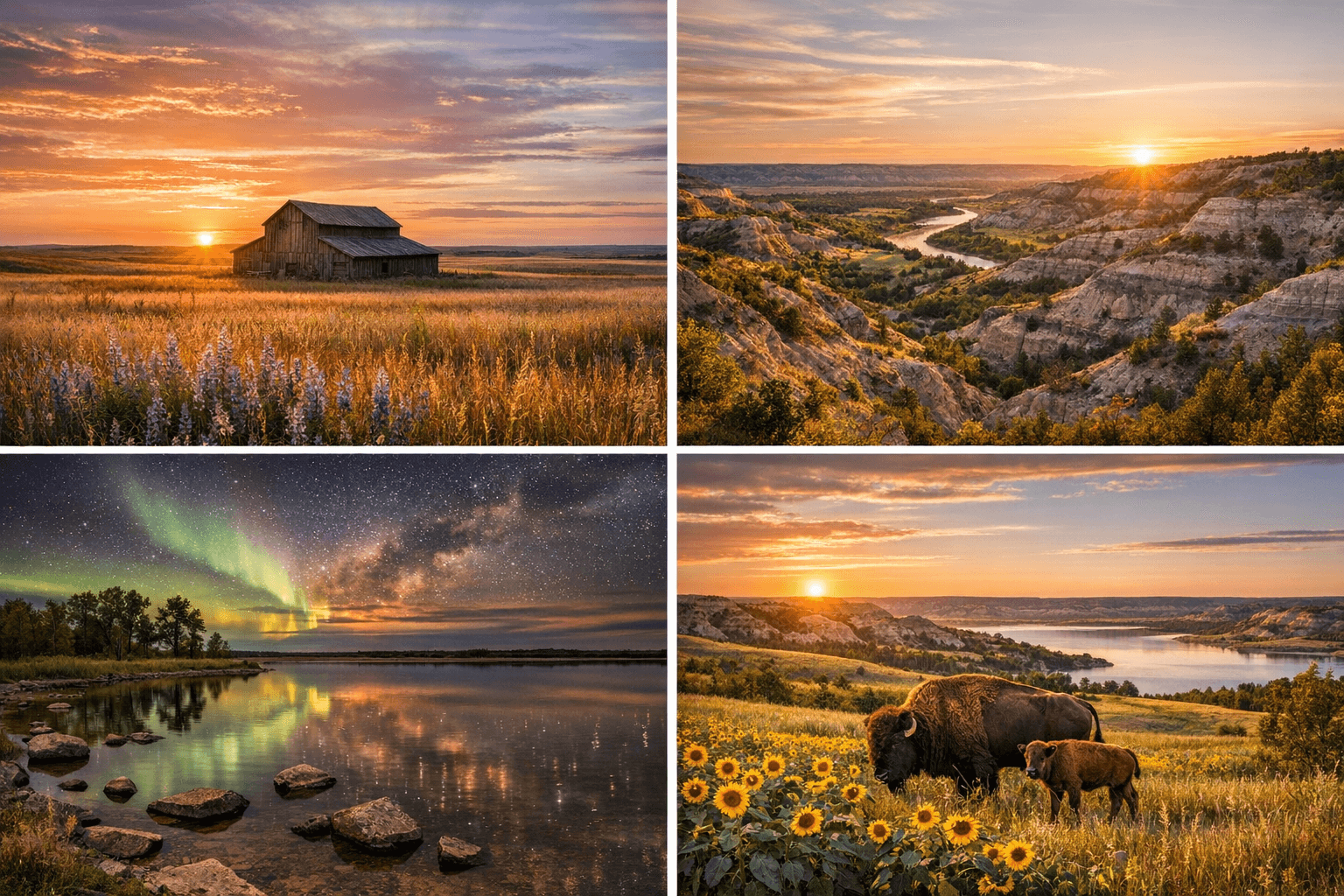
Urban life in Fargo and Bismarck
Fargo, the largest city, boasts a population of 135,000 in 2026, offering a vibrant urban lifestyle with cultural amenities. Bismarck, the state capital, has a population of 75,000 and features the North Dakota Heritage Center and State Museum, providing educational and recreational opportunities. Both cities offer a variety of job opportunities and are known for their extremely friendly communities, making them ideal for new residents seeking a balance between work and leisure.
The charm of rural North Dakota
Rural areas in central North Dakota offer tranquility and community support, with towns like Rugby and Garrison having populations under 3,000. These areas are known for their scenic landscapes and access to outdoor activities like ice fishing and horseback riding. The region’s natural beauty, including the sheyenne national grassland and turtle mountains, provides a haven for nature enthusiasts and those looking to escape the hustle and bustle of city life.
Hidden gems: Lesser-known communities
Theodore Roosevelt National Park and the nearby Enchanted Highway are part of western North Dakota’s charm. Communities in the Turtle Mountains offer unique cultural experiences, including the Gol Stave Church and Nordic Kitchen Division, appealing to those seeking a quieter lifestyle. These hidden gems provide opportunities for cross country exploration and adventure, offering a unique blend of historical significance and natural wonder.
Navigating the Moving Process: From Planning to Settling In
Step-by-step moving checklist
Begin planning at least six months before your move, focusing on securing housing and employment. Notify utility companies at least a month in advance, and collect essential documents like medical records and school transcripts. Setting a timeline ensures a smooth transition to North Dakota. Consider the average temperature and potential wind chill factors when planning your move, especially during the winter months, to ensure a comfortable relocation experience.
Choosing the right moving services
Consider hiring professional movers, with rates averaging $1,500 for local moves within North Dakota in 2026. Research companies with positive reviews and confirm their licensing and insurance. Alternatively, renting a moving truck can cost around $300, providing a more budget-friendly option. Understanding the logistics of moving, including transportation routes and potential weather challenges, can help you choose the best moving services for your needs.
Integrating into your new community
Engage with local organizations and events to meet fellow North Dakotans. Volunteer opportunities and community groups are plentiful, helping new residents build connections. Familiarize yourself with local amenities, such as parks and riverside trails, to fully enjoy the Peace Garden State. Embracing the state’s diverse cultural heritage, including native american traditions, can enrich your living experience and deepen your connection to this legendary state.