

Ewa Beach, Hawaii
Homes for rent and for sale — search the map or open the full city SEO catch-all page.
Ewa Beach, Hawaii
Ewa Beach, Oʻahu, offers a coastal, suburban lifestyle with more residential space and newer housing options than central Honolulu, making it a popular choice for families and military personnel [1.1.1, 1.2.1, 1.3.1]. As of July 2026, residents face high utility and housing costs, along with a significantly car-dependent commute that can exceed 90 minutes during peak hours on the H-1 [1.3.1, 1.4.1, 1.7.1]. Prospective movers should prioritize a “math-first” relocation strategy: verify school assignments by exact address, conduct a real-world rush-hour commute test, and perform parcel-level due diligence regarding the June 2026 flood map updates, which significantly expanded Special Flood Hazard Areas in the region [1.6.1, 1.7.1, 1.8.1].
Should You Move to Ewa Beach, Hawaii? The Quick Answer

Yes, Ewa Beach can be a strong fit if you want a West Oʻahu beachside, suburban lifestyle with more space than central Honolulu. But you’ll need to budget carefully for high housing costs, a long commute, flood and insurance considerations, and Hawaii-specific moving rules like pet quarantine. If you’re a renter, a relocating family, or a remote worker coming from the mainland, this is a livable, community-minded corner of the island that trades big-city convenience for room to breathe.
The whole decision comes down to two forces pulling against each other. There’s what feels good: the coast, the drier climate, the space, and the neighborhood parks. And there’s what costs money: the housing, the electricity bills, and the drive into town. Get honest about both before you sign anything, and if you’ve heard good things about the west side, this can start to make a lot of sense.
Moving to Ewa Beach Hawaii: Where It Sits and What Day to Day Life Is Like
Ewa Beach sits on the leeward west side of Oʻahu, on the flat Ewa Plain, roughly 20 miles from downtown Honolulu. The leeward side runs drier and sunnier than the windward side, so you’ll see less rain and more consistent beach weather across the year. For many mainland movers, that steady sunshine is the first thing that sells them on the ʻEwa Beach area, and it’s a big draw compared with wetter parts of the island.
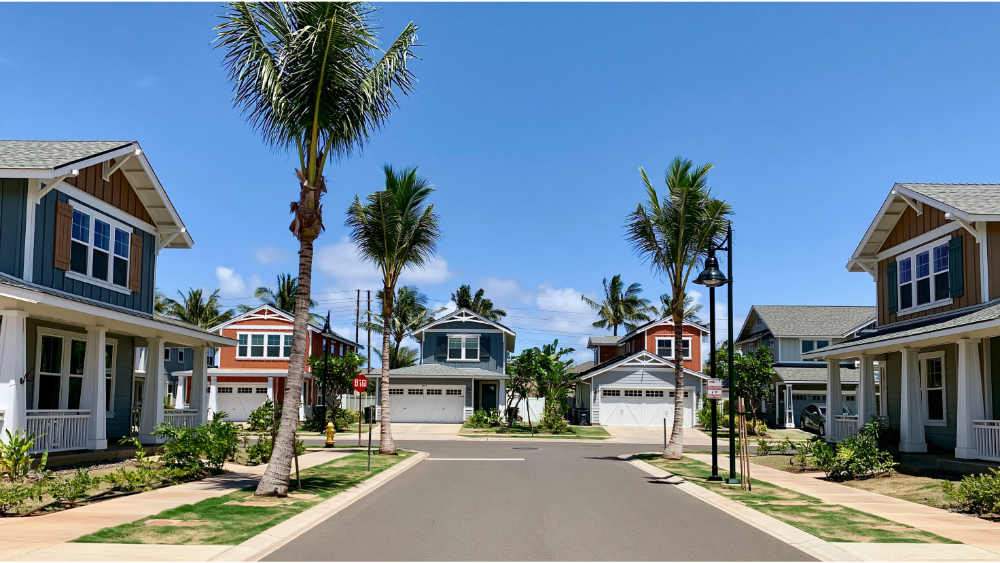
Day to day life here is suburban and coastal. Think neighborhood streets, community parks, and easy beach access along the shoreline for weekend swims, fishing, or paddling. White Plains Beach is a well-known local spot for beginner surfers, and it draws steady weekend crowds. The population runs to about 16,415 residents as of the 2020 Census, packed into a small footprint of just 1.19 square miles, which gives the older core a dense, tight-knit feel. Everyday shopping, from groceries to hardware, is a short drive away, and a handful of local restaurants keep the food options close to home. Ewa Beach Works serves as a community hub for job training and local support, another sign this is a place people invest in.
The community itself blends long-time local families, newcomers from the mainland, and a strong military presence tied to nearby bases. It’s the kind of place where the same faces and the same neighbors show up at the same beach parks on weekends. This side of island living has its own rhythm, and the community continues to grow as new housing comes online. One running theme worth keeping in mind: conditions vary block by block here. School assignments, HOA rules, flood risk, and beach access all change by address, so treat everything below as a starting point and verify the specifics for the exact home you’re considering.
ʻEwa Beach Neighborhoods, Ocean Pointe, and Master Planned Communities
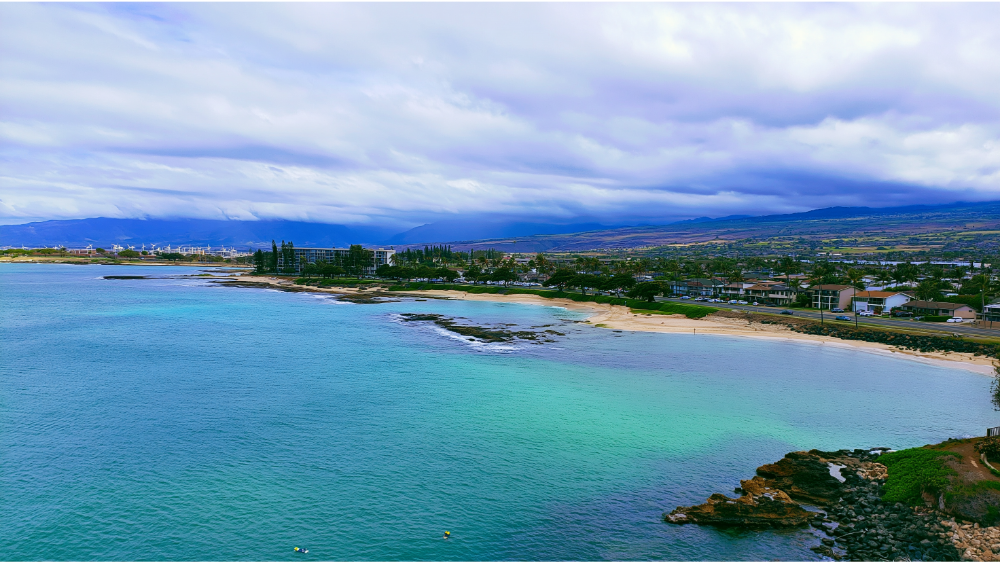
Ewa Beach isn’t one uniform place. It’s dozens of distinct neighborhoods, ranging from older beachside blocks to large master planned developments. Here’s how the main types break down.
- Ocean Pointe: A large master planned community with more than 2,500 homes and several community parks. Newer construction, walkable streets, and HOA governance. Ocean Pointe leans heavily toward single family homes, which appeals to buyers and renters who want a yard.
- Hoakalei: A 726-acre master planned resort community built around a marina and recreation, with a more resort-style feel and a lagoon that widens your beach and water options.
- Ewa by Gentry: One of the older planned areas, with many Gentry Homes throughout more than 30 sub-neighborhoods, so home styles and lot sizes vary widely within it.
- Old ʻEwa Beach: The original coastal core, known for larger lots and direct beach access, with an established, local character.
The general split is between newer master planned communities, which often mean zero-lot-line homes on smaller lots with parks and HOA dues, and older neighborhoods, which tend to offer bigger lots and closer beach access. That can be a massive difference in how a house feels day to day. Neither is better, they’re just different. Because layouts, HOA or AOAO rules, and beach access change from community to community, confirm all of it for the specific residential property before you commit. If you’re comparing ʻEwa Beach to pricier east-side pockets like Hawaii Kai, the trade-off is usually more house and yard here for a longer distance into town.
How Much Does It Cost to Live in Ewa Beach?
Cost of living in Ewa Beach runs well above the U.S. average, and housing is your biggest line item whether you rent or buy. Here’s the baseline context from the Census (American Community Survey 5-year estimates, 2020 to 2024):
| Metric | Figure | Source note |
|---|---|---|
| Median household income | $124,323 | ACS 2020 to 2024 |
| Median gross rent | $2,522 | ACS 5-year, not a live quote |
| Median owner-occupied home value | $748,800 | ACS 2020 to 2024 |
For a rent benchmark, HUD’s FY 2026 Small Area Fair Market Rents for ZIP 96706 list a 1-bedroom at $2,410, a 2-bedroom at $3,160, and a 3-bedroom at $4,390. These are voucher benchmarks used by HUD, not asking rents on any given listing, so treat them as a floor for expectations rather than a price tag. Ask any manager to spell out applicable fees so nothing surprises you at signing.
The two costs that ambush mainland movers most are electricity and groceries. Hawaii’s power prices are the highest in the nation, and shipping-dependent food costs add up fast, whether you’re cooking at home or eating at local restaurants. Before you lock in a lease or a mortgage, run your own numbers with the KT Rents Cost of Living Calculator so the monthly reality matches your budget, not just the sticker rent.
Living in Ewa Beach as a Renter: What to Check Before You Sign
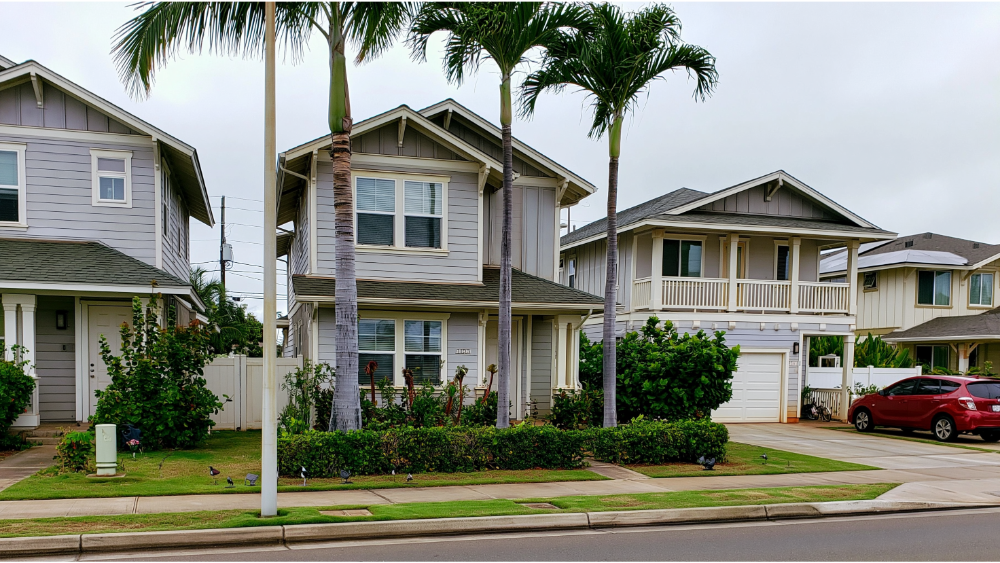
Renting first is a smart move when you’re moving to a market this expensive and this rule-heavy. Living on a lease gives you time to learn the neighborhoods before you buy, and to figure out whether this is the right fit for your family. Before you apply, get clear on a few things that catch newcomers off guard.
- Lease length and pet policies: Confirm both in writing. Pet rules vary by community and by individual owner.
- Security deposit: Under Hawaii law, your deposit must be returned or accounted for within 14 days after the rental agreement ends.
- Rent increase notice: Hawaii guidance lists a 45-day notice for month-to-month tenancies. Verify current rules before you rely on any legal specific.
- The 90-day rule: On Oʻahu, a dwelling that isn’t a registered B&B, transient unit, or nonconforming-use property can’t be advertised or rented for less than 90 consecutive days. This matters if you’re planning a short “trial move.”
That last one trips people up constantly. If you were hoping to book a two-month stay to test the area, the legal rental options are narrower than you’d expect. This is exactly where a full-service, broker-owned property manager earns its keep. KT Rents handles tenant screening, rent collection, maintenance requests, and city ordinance compliance, so you’re renting through people who know the rules instead of guessing at them. These are the kinds of services that make a long-distance move far less stressful for a family arriving from the mainland. And once you’re in, the goal is to feel at home, not just housed, which is why residents get tenant perks like housewarming gifts and home-goods discounts. Start your home search by running your budget through the Rent Calculator and browsing current listings.
Buying Single Family Homes in Ewa Beach vs. Other Areas on Oʻahu
If you’re weighing a purchase, Ewa Beach is one of the more attainable spots on Oʻahu, even though it’s still expensive by mainland standards. It generally runs below central Honolulu and below neighboring Kapolei, which is why single family homes here can cost less than a two-bedroom condo closer to town. That value gap is a big reason so many buyers take a serious look at the west side of the island rather than other areas closer to Waikiki.
| Market | Median price | Note |
|---|---|---|
| Ewa Plain | $942,000 | Local update, May 2026 |
| Oʻahu single-family | $1,166,000 | HBR, islandwide, May 2026 |
| Oʻahu condo | $520,000 | HBR, islandwide, May 2026 |
Two buyer cautions to plan for: HOA or AOAO dues in the master planned communities, and insurance costs that hinge on flood risk. Check the flood zone by parcel before you write an offer. To figure out whether owning or renting fits your situation, run both paths through KT Rents’ Rent vs. Buy Calculator and Mortgage Calculator.
Commute, Rush Hour Traffic, Jobs, and the Skyline Rail
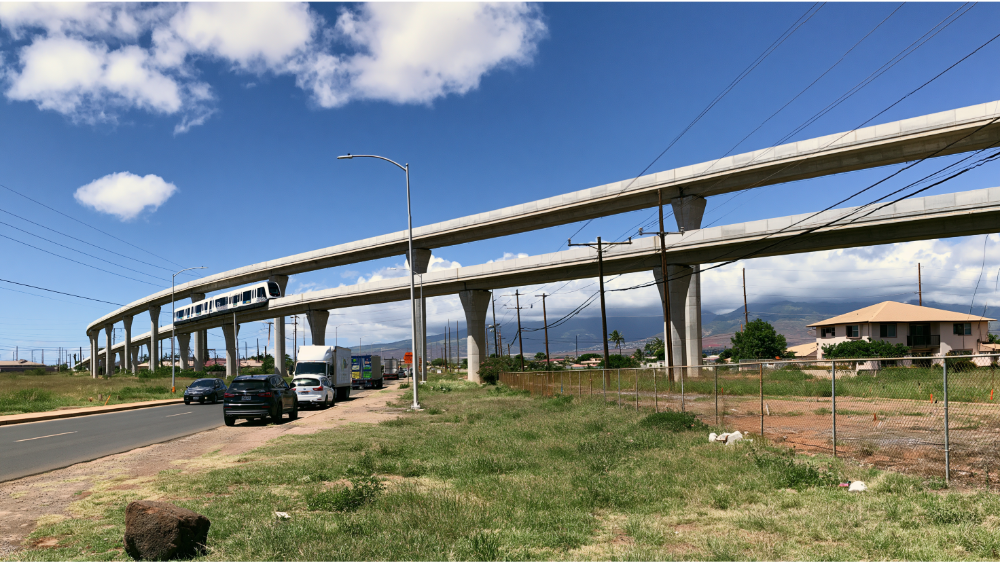
The commute is the single biggest “what costs you” beyond your bank account. Ewa is known for heavy rush hour traffic into town, and if your job is in downtown Honolulu, that distance shapes your whole day. The Census puts the mean travel time to work at 38 minutes, but that average hides a wide range. Off-peak, you might make downtown in 35 to 50 minutes. At peak, the same drive along Fort Weaver Road and the H-1 can stretch past 90 minutes. If your job is closer to the growing Kapolei employment center on the west side, your commute may be far shorter, which is worth weighing when you pick a neighborhood.
Transit gives you alternatives worth knowing:
- TheBus: Route 42 runs to Waikīkī, Route 91 is the Ewa Beach Express toward Honolulu, and Route 47 connects to the UH-West Oʻahu Skyline station.
- Fares: $3.00 for a 2-hour HOLO card pass (with transfers between bus and rail) or $3.25 cash for a single ride with no transfer.
- Skyline rail: Skyline stations for Segments 1 and 2 are open from East Kapolei to Kalihi Transit Center, about 15 miles across 13 stations. Segment 3 to the Civic Center and downtown is targeted for 2031, subject to construction changes.
Here’s the practical advice that no listing will give you: test-drive the commute at the actual day and time you’ll travel before you sign anything. A midday visit tells you nothing about a 7 a.m. Tuesday.
Schools, Kids, and Family Planning by Address
Ewa-area public schools fall within the Campbell-Kapolei complex area, and assignments are based on your street address, not the neighborhood name. So the campus your kids attend depends on the exact home you choose, which is why school research is such a big part of any family move. Ewa Makai Middle School is one of the campuses in the area, and several elementary schools serve the surrounding neighborhoods within walking distance for many families.
The reliable way to confirm this is the Hawaii DOE SchoolSite Locator, which returns the assigned elementary, middle, and high school for any address. Childcare works the same way, with availability and proximity varying by location. If schools matter to your move, verify the assigned campus by address before you sign, and do the same legwork for childcare while you’re at it. Don’t take a general area reputation as a guarantee of anything specific, because two homes a few blocks apart can feed into different campuses.
Utilities, Climate, and Flood Risk You Shouldn’t Ignore
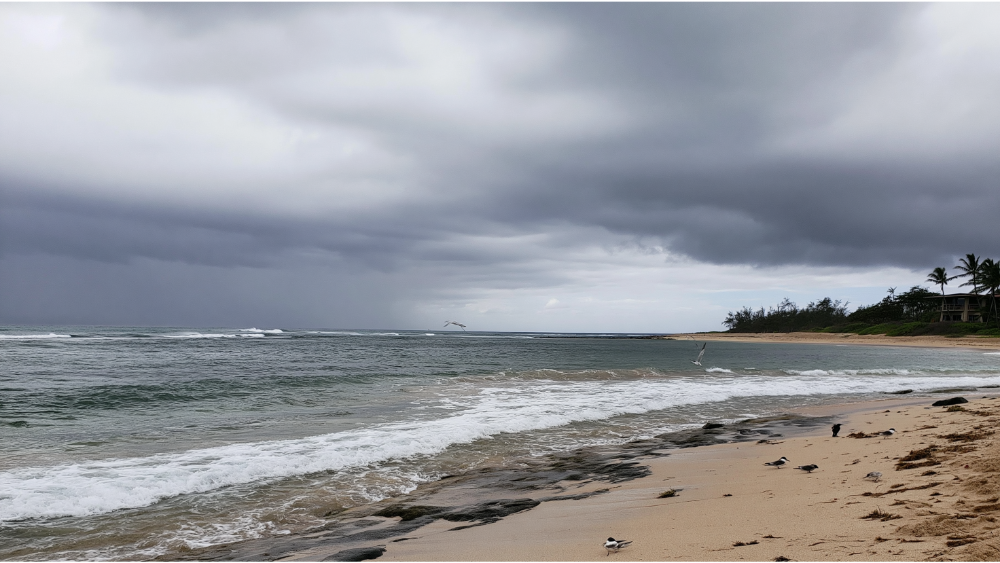
Utility budgeting works differently in Hawaii, and electricity is the headline. The state had the highest average residential electricity price in the nation in 2025, running close to triple the U.S. average. If you run air conditioning, that bill climbs quickly. Oʻahu’s time-of-use structure shows why timing matters, with example energy charges around 19 cents per kWh daytime, 57 cents evening peak, and 38 cents overnight.
Water and sewer add more. Honolulu’s Board of Water Supply uses tiered residential rates, and the metered sewer charge sits at $11.83 per 1,000 gallons as of July 1, 2026.
Then there’s the coast. Ewa Beach is low and near the shoreline, and updated Honolulu flood maps took effect June 10, 2026, adding roughly 3,700 net new Oʻahu parcels to Special Flood Hazard Areas. That changes insurance costs and financing for a lot of properties. Before you sign a lease or a purchase contract, check the parcel-level flood risk using the City and County flood tools and the Hawaii or NOAA Sea Level Rise Viewer, and ask directly about flood insurance requirements.
Moving Logistics Unique to Hawaii (Pets, Cars, Timelines)
Mainland movers routinely underestimate the island-specific logistics of moving to Ewa Beach Hawaii, and pets are the biggest one. Hawaii is the only rabies-free U.S. state, so every dog and cat must meet strict import and quarantine rules. Current fees run $185 per pet for direct airport release, $244 for the 5 Day Or Less program, and $1,080 for the 120-day quarantine, all subject to change. The 5 Day Or Less path requires at least two rabies vaccines in the pet’s lifetime, with specific timing rules for the most recent one. Start this months out and follow the state checklist rather than informal advice.
Two more items belong on your list. Shipping and re-registering your vehicle takes planning and time. And remember the 90-day rule, because if your temporary housing plan assumes a short-term rental, it may not be legally available. Whether you’re relocating from the mainland or the North Shore, or moving as part of a military assignment, the theme across all of it is simple: start early. For the deeper details, keep an eye out for our guides on moving to Hawaii with pets and Oʻahu short-term rental rules.
Ewa Beach Move Checklist and Final Takeaway
Run through this before you commit to anything:
- Budget rent plus utilities, not just the base rent
- Test the commute at your real travel time, and factor in your job location
- Verify the assigned school by address through the DOE locator
- Check the flood zone by parcel and ask about insurance
- Confirm your lease length is legal (the 90-day rule)
- Ask what applicable fees apply and start pet paperwork early
- Run the numbers in KT Rents’ calculators
Moving to Ewa Beach is worth it when the numbers and the logistics actually work for you. The coast, the space, and the community are real, and so are the costs and the drive. If the math holds up, and you like the good things people say about the area, this is a place a family can settle into for the long haul. And with a regional shopping center and new development nearby, everyday errands stay close to home.
When you’re ready, browse current Ewa Beach and Oʻahu listings and submit a rental application through KT Rents. We’re a full-service, broker-owned property manager operating across the U.S. since 2009, and we’ll help you feel at home, not just housed. Questions first? Call us at (800) 716-4950 or email info@ktrents.com. Your Rental. Your Way.
Frequently Asked Questions
Is Ewa Beach a good place to live?
It’s a good fit if you want a coastal, suburban West Oʻahu lifestyle with more space than central Honolulu and you can budget for high costs and a long commute. Verify the specifics (schools, flood zone, HOA) by address before deciding.
How much is rent in Ewa Beach?
The Census median gross rent was $2,522 (ACS 2020 to 2024), and HUD’s FY 2026 benchmarks for ZIP 96706 list a 1-bedroom at $2,410 and a 2-bedroom at $3,160. These are baselines, not live asking rents, so check current listings.
How bad is the commute from Ewa Beach to Honolulu?
The Census average is 38 minutes, but real-world driving runs 35 to 50 minutes off-peak and can exceed 90 minutes at peak. Test-drive it at your actual commute time before signing, and consider whether your job sits closer to Kapolei on the west side.
Can I book a short-term rental in Ewa Beach before moving?
Often no. On Oʻahu, dwellings that aren’t registered B&Bs, transient units, or nonconforming-use properties can’t be legally rented for less than 90 consecutive days, which limits trial-move options.
What should I know about moving pets to Hawaii?
Hawaii is rabies-free, so all dogs and cats must meet import and quarantine rules, with fees of $185 for direct release, $244 for 5 Day Or Less, or $1,080 for 120-day quarantine (subject to change). Start the paperwork early and follow the state checklist.