

Kailua Kona, Hawaii
Homes for rent and for sale — search the map or open the full city SEO catch-all page.
Kailua-Kona, Hawaiʻi
Kailua Kona (Kona), situated on the sunny leeward coast of the Big Island, offers a relaxed, nature-rich lifestyle that is distinct from the market realities of Oʻahu or East Hawaiʻi [1.1.1]. As of July 2026, prospective movers face a tight housing market with high utility and import costs that necessitate rigorous budget stress-testing before relocation [1.3.1, 1.4.1]. Success in Kona requires a “logistics-first” approach: pet import paperwork must be initiated months in advance due to strict rabies-free protocols, remote workers must secure written employer approval for Hawaii-based payroll, and parcel-level due diligence regarding lava-flow hazard zones and insurance availability is essential before signing any lease or purchase contract [1.6.1, 1.7.1, 1.8.1].
Moving to Kailua Kona Hawaii can be a great fit if you have housing, reliable income, transportation, and island logistics handled before you land. The laid back island lifestyle is real: warm, sunny, and easygoing on the leeward side of the Big Island. But so are the parts that trip people up: high housing and utility costs, tight rental inventory, and strict pet and vehicle rules that take months to sort out. This guide is for renters, remote workers, and families eyeing a move who want a straight answer instead of postcard copy. Paradise is real, but so are rent, electricity, pets, and paperwork. We’re KT Rents, a nationwide, broker-owned, full-service rental platform, and we help people compare options and prepare so the move goes smoothly.
First, Are We Talking About Kailua Kona or Kailua, Oahu?
Let’s clear up a common mix-up before you rely on any cost data. The U.S. Census lists this place as Kailua CDP, Hawaii County, commonly called Kailua Kona or just Kona, on Hawaii’s Big Island. It is not Kailua on Oahu (Honolulu County), which shows up constantly in search results and confuses relocation numbers. If you’re reading a cost-of-living page, check which island it means. Oahu is a different market with its own pricing, so numbers from that island won’t map onto Kona HI. Kailua Kona’s 2020 Census population was 19,713, up from 11,975 in 2010, with 7,598 households and about 2.83 people per household. Smaller than most mainland movers expect.
Is Kailua Kona a Good Place to Live?
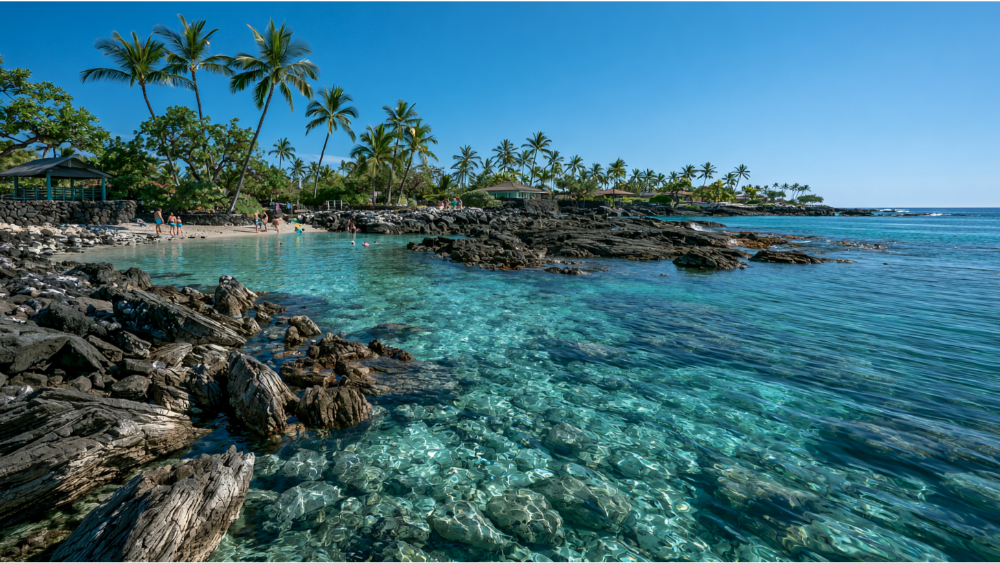
For a lot of people, yes, with clear eyes. Kailua Kona sits on the warm, sunny Kona side of the Big Island, the dry leeward coast where the weather stays reliably pleasant and the beach is close. The Kona Coast is known for world-class snorkeling and scuba diving, plus deep sea fishing and good conditions for surfing and kiteboarding. Beach access is one of the daily perks of island life here, with calm coves and rocky points strung along the shore. It has a small town feel and a real local culture, which is part of the appeal. The aloha spirit shows up in how people greet you, and locals often gather at family beaches on the weekends. It doesn’t take long to feel that warmth once you settle in.
Now the honest part. The economy leans heavily on tourism and service work, costs run high, and becoming part of the community takes genuine time and effort. This is a place where you build roots slowly, show deep respect, and don’t expect to be treated as a local right away. Island fever is real too: Hawaii’s Big Island is remote, and some newcomers feel the distance from mainland friends and family after the honeymoon phase fades. If you come for the beauty but ignore the budget and the paperwork, the move gets stressful fast. Go in prepared, and the day-to-day tradeoffs of Kona life feel worth it.
What Does It Really Cost to Live in Kona?

This is the core of the decision, so let’s be direct. The median household income in Kailua Kona is $88,211, and per-capita income is $45,971 (Census, 2020 to 2024). About 14.3% of residents live in poverty over that same period, which tells you the income spread is wide.
Wages have to stretch against island prices. MIT’s Living Wage Calculator estimates that one adult with no children in Hawaii County needs roughly $29.83 an hour to cover basic costs, while Hawaii’s minimum wage is $16.00 an hour as of January 1, 2026 (rising to $18.00 in 2028). That gap is the whole story: entry-level pay does not cover island living on its own.
Costs run high because of logistics. Nearly everything is imported by ship or plane, which raises grocery prices, and electricity is among the most expensive in the country. Restaurants tend to price higher than the mainland for the same reason, so if you plan to eat out often, budget for it. Many residents shop at warehouse stores and local markets to keep food bills manageable, and how much you spend on food swings a lot depending on those habits. Before you commit, pressure-test the math with our Cost of Living Calculator and Rent Calculator. Running the numbers first beats discovering them after the boxes arrive.
Housing and Rent: What to Expect and What to Verify
Here’s the trap most guides skip. The Census median gross rent for Kailua CDP is $1,754 (2020 to 2024), and Hawaii County’s median gross rent is about $1,805. Those are lagging medians across existing renters, not what a new listing will ask today. Live asking rents move fast, so always verify against active listings.
For a budgeting anchor, HHFDC’s 2026 Hawaii County guidelines at 100% of median list affordable rents at studio $2,117, one-bedroom $2,268, two-bedroom $2,722, and three-bedroom $3,146, figured at 30% of income including utilities. HHFDC notes actual market rents may differ. Buying is another level: the median owner-occupied home value in Kailua CDP is $667,400, and single-family sale prices across the market often run well into the $800Ks and higher, with homes sometimes sitting months before selling. About 67% of homes here are owner-occupied.
Renter rules worth knowing (and verifying, this isn’t legal advice): Hawaii caps a standard security deposit at one month’s rent, allows an additional pet deposit up to one month’s rent (but not for an assistance animal as a reasonable accommodation), requires 45 days’ written notice before a rent increase on a month-to-month tenancy, and requires a deposit be returned or explained within 14 days. Inspect the unit carefully, note damage in the contract, get every promise in writing, and be alert to long-distance rental scams. You can browse verified listings and submit rental applications through us.
Jobs and Remote Work in Kona, HI
The job market is tighter than many movers expect, so don’t count on landing work after you arrive. The main industries are accommodation and food services, retail, and healthcare. Employers often prefer local candidates, and specialized fields are limited. Most people have a much easier time securing a job before the move.
If you plan to keep a remote job, do one thing first: get written HR and payroll approval to work from Hawaii. Some employers won’t allow it because of state tax, payroll, and insurance requirements, and finding out after you’ve moved is a costly surprise. Also confirm your health insurance network covers Hawaii providers. The good news for remote workers is that the infrastructure is here: 92.4% of Kailua Kona households have a broadband subscription. Just verify service at your specific address.
Do You Need a Car in Kailua Kona?
For most residents, yes. Ellison Onizuka Kona International Airport (code KOA) sits about 10 miles from town, and while the Hele-On bus system does run across the island, it doesn’t compare to a large mainland transit network. A car makes daily life work: commuting, warehouse and grocery runs, easy access to the beach, medical appointments, and getting around the rest of the Big Island. Mean travel time to work is around 20.3 minutes, so commutes are manageable once you have wheels. A car also makes it simple to visit and explore the other islands’ worth of coastline right here on one island, from the sunny Kona side to the greener Hilo side.
If you’re shipping a vehicle from the mainland, note the deadline: an out-of-state vehicle permit must be issued within 30 days of the car’s arrival in Hawaii County. Put it on your first-month calendar. If the logistics feel like a lot, some movers hire movers who specialize in island relocations to handle the heavy lifting.
Moving to Kona With Pets: Start Months Ahead
This is one of the biggest relocation traps, so plan early. Hawaii is the only rabies-free U.S. state and requires dogs, cats, and other carnivores to clear one of three pathways: direct release ($185 per pet), 5 Day Or Less ($244 per pet), or 120-day quarantine ($1,080 per pet). Fees are subject to change.
To qualify for 5 Day Or Less, your pet needs a microchip, at least two rabies vaccinations, an OIE-FAVN blood test result above 0.5 IU/ml, and a 30-day pre-arrival waiting period. FAVN lab results can take one to two months to come back, and permits won’t issue without a passing result. Import documents (Form AQS-279) must be submitted no less than 10 days before arrival. Pets flying into Kona also need a Neighbor Island Import Permit, coordinated with an approved vet through the state’s Pet Owner Portal. Your best bet is to start months ahead, not weeks.
Utilities, Weather Conditions, and Outdoor Activities to Check by Address
Electricity is the budget line that shocks newcomers. Hawaiian Electric’s rates are among the highest in the country because island grids run independently with no neighboring utilities to draw from. As a recent example, June 2026 Hawaii Island residential rates ran roughly $0.46 to $0.50 per kWh across usage tiers. Rates change monthly, so check the current Effective Rate Summary before you build a budget.
The weather conditions are a genuine upside. Kailua Kona enjoys year round sunshine on the dry leeward side, with steady trade winds and Keahole Airport normals around an 84.2°F average daily high, 72.3°F low, and a 78.2°F annual mean. Some inland areas carry more tropical humidity. Outdoor activities are a big part of the draw: beach days, snorkeling, and paddling on the coast, with hiking trails and world-class stargazing up at Mauna Loa and Mauna Kea, where nature takes over. A fun fact for coffee lovers: Kona coffee farms dot the upcountry slopes above town, and touring them is a favorite outing for visitors and residents alike. The Big Island boasts something new to explore almost every free weekend.
Before signing a lease, check the specific parcel against a few maps: the USGS lava-flow hazard zone, the Hawaii County Civil Defense Hazard Impact Map, and tsunami, flood, and wildfire exposure. Confirm insurance is available and affordable, and think through backup power and internet. The most important thing here is to verify broadband and utility service at the exact address, not just the neighborhood.
Schools, Healthcare, and Family Considerations
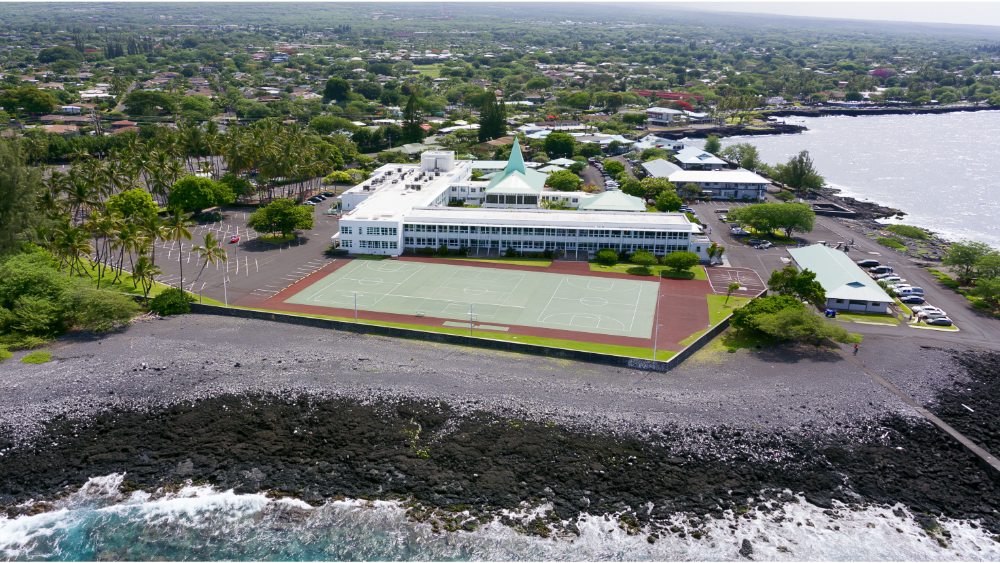
Hawaii’s public schools are organized into complex areas, where a high school and its feeder schools form a group. Rather than judging areas by reputation, use the DOE’s official SchoolSite Locator to find the assigned school for a specific address. Kealakehe High School, for example, is one of the DOE campuses located in Kailua Kona, but always confirm the boundary for your address. A handful of private schools also serve west Hawaii families, so weigh both public and private options if that matters to you.
Healthcare on the west side centers on Kona Community Hospital and a Kailua Kona VA Clinic. Both cover a solid range of services, but specialized care is limited and some needs may require inter-island travel. Before moving, the important thing is to verify your insurance network, prescription access, and specialist availability so there are no gaps once you and your family arrive.
Should You Rent First or Buy Right Away?
For most mainland movers, renting first is the lower-risk play. A year of renting lets you learn the commute, see real utility bills, feel out neighborhood fit and weather microclimates, and understand island logistics before committing to a purchase that often starts north of $800K. It also gives you time to know whether this small town and its community truly suit you before you plant deep roots. Run both scenarios with our Rent vs. Buy Calculator and Mortgage Calculator. As a broker-owned, full-service platform operating nationwide, we’re built to help renters make a smart first move and keep options open.
Your Kailua Kona Move-Readiness Checklist
- Job secured or written remote-work approval from HR and payroll
- Lease budget stress-tested against real rents and utilities
- Emergency savings for deposits, shipping, and startup costs
- Pet paperwork started early (microchip, FAVN, import permit)
- Car or shipping plan, plus the 30-day out-of-state permit
- Electricity and utility budget checked against current rates
- DOE school boundary confirmed by address, plus any private schools you’re considering
- Lava, flood, tsunami, and wildfire zone checks for the parcel
- Insurance and healthcare network verified
- Local references and documentation ready for rental applications
Frequently Asked Questions
Is Kailua Kona expensive to live in?
Yes. Imported goods, high electricity rates, and tight housing push costs well above most mainland markets. Median household income is $88,211, but MIT estimates a single adult needs about $29.83 an hour to cover basics in Hawaii County. Restaurants and groceries both price higher than the mainland.
How much should I earn before moving to Kailua Kona Hawaii?
Enough to comfortably cover rent, high utilities, and a car, plus emergency savings. Use a cost-of-living calculator to model how much you’ll actually spend on stuff before committing, and don’t rely on entry-level wages alone.
Can I move to Kailua Kona with pets?
Yes, but start months ahead. Hawaii is rabies-free and requires quarantine clearance. The 5 Day Or Less pathway needs a microchip, two rabies vaccinations, a passing FAVN test, and a 30-day waiting period, and Kona arrivals need a Neighbor Island Import Permit.
Do I need a car in Kailua Kona?
For most residents, yes. Bus service exists but is limited, and a car handles commuting, shopping, the beach, and appointments. If you ship one, get the out-of-state permit within 30 days of arrival.
Is Kailua Kona good for remote workers?
It can be. About 92.4% of households have broadband. First, get written approval from your employer to work from Hawaii, since tax and payroll rules can block it, and verify internet at your exact address. Worth a mention: island life rewards those who plan the practical details first.