

Kula, Hawaii
Homes for rent and for sale — search the map or open the full city SEO catch-all page.
Kula, Hawaii
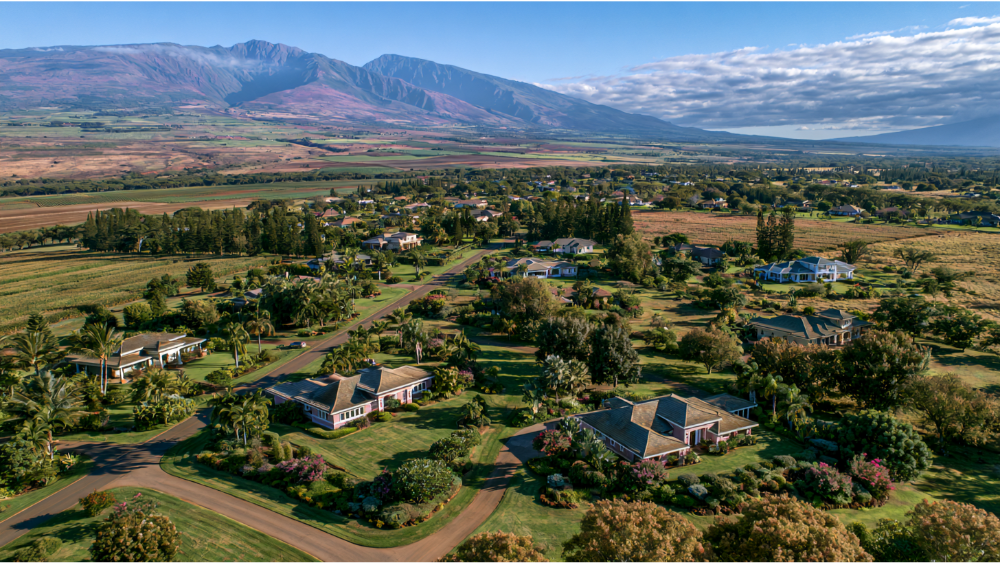
Kula, situated on the slopes of Haleakala, offers a unique Upcountry Maui lifestyle characterized by cooler “eternal spring” temperatures, panoramic bi-coastal views, and an agricultural, low-density community atmosphere [1.1.1, 1.3.1]. As of July 2026, prospective residents must navigate a high-cost housing market—where single-family home values often exceed $1 million—and prioritize address-specific due diligence regarding water sources (municipal vs. catchment), reliable high-speed internet, and wildfire safety protocols [1.2.1, 1.4.1, 1.5.1]. A “rent-first” strategy is strongly advised to personally evaluate the climate variations driven by elevation and the car-dependent nature of life Upcountry before committing to a long-term purchase [1.2.2, 1.6.1].
Moving to Kula, Hawaii? The Real Upcountry Maui Answer Before You Sign a Lease

Moving to Kula, Hawaii means choosing a cooler, higher, more rural version of Maui than most people picture. You’ll be living on the slopes of Haleakala in Upcountry Maui, surrounded by farmland and open space, with a slower pace and genuinely mild weather. The tradeoff is real: housing costs are high, rental inventory is tight, and Hawaii has moving rules for pets, cars, and agricultural items that catch mainland movers off guard. Census Bureau data puts the median value of an owner-occupied home in Kula above $1.1 million, and renting can be just as competitive.
This guide is for renters, remote workers, extended-stay shoppers, and owners with Maui properties who want a straight answer instead of a postcard. You should feel at home, not just housed. But in Kula, feeling at home starts before you arrive, with the right budget, the right lease, the right paperwork, and a realistic plan for Upcountry living. The natural beauty is easy to fall for on a short visit; the day-to-day of this town takes a little more planning to get right.
KT Rents is a nationwide, broker-owned, full-service rental and property management platform. We don’t run a Kula office, and this isn’t a sales pitch dressed up as advice. It’s a grounded checklist, with sourced numbers and the tools to run your own. A rent-first strategy and a couple of calculators can save you from an expensive mistake, and we’ll get to both.
What Living in Kula Feels Like Day to Day
Living in Kula is quieter and more spread out than most mainland movers expect. Days move at a slower pace, homes sit on larger parcels, and open space is the default rather than the exception. The community values its agricultural roots and its conservation ethic, and residents tend to be friendly and involved in local life. There’s a strong sense of neighborly connection here. Kula and the surrounding Upcountry towns host cultural and community events through the year, and the Upcountry Farmers’ Market runs every Saturday morning, drawing neighbors together over local produce, flowers, and food. Farmers markets like this one are more than errands here; they’re where a lot of the community actually connects, and where a newcomer starts to feel less like a visitor.
That sense of place comes with practical realities. You’ll have Kulamalu Town Center for some errands, along with longtime local fixtures like the Morihara Store and Kula Hardware for everyday convenience, but for major grocery runs, big shopping, or a wider range of services, most residents drive 20 to 30 minutes down toward central Maui. Kula is car country, and daily life reflects that. If you’re used to walking to a corner store or having everything a few minutes away, the rhythm of this town takes adjustment. The upside is a Kula lifestyle built around the outdoors: gardens, ranch land, hiking, and easy access to the upcountry landscape rather than strip malls and traffic. Many properties here come with fruit trees and room to grow your own.
Nature is close at hand, too. Haleakala National Park sits at the top of the mountain above Kula, and the region’s forest reserves and open ranch land give residents room to roam. If your idea of a good weekend involves parks, trails, and long views instead of crowds, this part of Maui delivers. That access to the natural beauty of the slopes, the open country, and the spectacular views is one of the main reasons people put up with the higher cost of living here. Kula is more than just a place to sleep; for the right person it can feel like the perfect place, a slice of paradise where you actually want to spend your weekends.
Two honest notes for anyone considering the move. First, island communities value local customs and neighborly involvement, and newcomers who arrive with curiosity and respect settle into the community far more comfortably than those who don’t. Second, island fever is a genuine thing. Kula is beautiful, but it’s still on an island roughly a five-plus-hour flight from the mainland, and the distance can feel larger over time than it does on a vacation. Some people find the slower, more contained living deeply satisfying. Others miss the easy access to extended family, cities, and quick trips. It’s worth being honest with yourself about which one you are before you commit.
Kula Weather: Cooler Than the Maui You Picture

Kula’s cooler climate is one of its biggest draws, and it’s not the hot, humid beach weather most people associate with Maui. Because the area climbs the slopes where Haleakala rises above the island, the temperature drops as you go up. This is what people mean by microclimates: different elevations and pockets of the mountain get noticeably different weather, so conditions at your specific address can differ from a home just up or down the road. Elevation drives almost everything about the weather here, so ask what elevation a property sits at before you assume it matches the forecast you saw for the town.
The NOAA Kula Branch Station sits at 3,100 feet. Its 1991 to 2020 climate normals show an average daily high of 71.7°F, an average daily low of 56.0°F, and an annual mean of 63.9°F. That’s the “eternal spring” feeling Upcountry is known for. Annual precipitation runs about 23 inches, with wetter winter and spring months and drier stretches in early summer. Higher up the slopes, mornings can start in fog and clear by midday, while lower Kula stays sunnier and warmer. It’s the kind of place where morning coffee on the lanai comes with dramatic sunsets over the water later in the day.
| Month | Avg High | Avg Low |
|---|---|---|
| January | 68.1°F | 53.1°F |
| August | 75.7°F | 58.9°F |
| Annual mean | 71.7°F | 56.0°F |
Practical takeaway: bring layers. Winter nights and higher-elevation homes can genuinely feel cold, and you’ll want warm clothing you might have planned to leave behind. The cooler temperatures and fertile volcanic soil are also why this area grows so much of Maui’s food. If you move here expecting to live in shorts year-round, the mountain will correct you quickly
Where Is Kula? Upcountry Maui vs. Central Maui and South Maui
Kula is a Census-designated place (CDP) in Maui County, not an incorporated city. It sits on the western slopes of Haleakala, the dormant volcano that rises above the whole region, and its elevation runs from roughly 1,000 feet in lower Kula to over 4,000 feet higher up. That elevation band is the single most important thing to understand about the area, because it shapes the weather, the views, and the way daily life works. Two homes only a mile apart on the mountain can sit at very different elevation and feel like two different climates.
Here’s how the island’s regions differ. Upcountry Maui includes Kula, Makawao, Pukalani, and Keokea, all sitting on the mountain slopes with cooler air and an agricultural character. Central Maui is the Kahului corridor and the island’s central valley, home to the main airport, big-box shopping, and much of the island’s day-to-day commerce. South Maui is Kihei and the beach towns most visitors imagine when they think of Maui: warm, flat, and coastal. Kula is none of those beach communities. It’s farm country with a panoramic landscape, and on a clear day you get bi coastal views: you can see both the north and south coastlines, and the blue line of the ocean below, from the same hillside. That unique combination of mountain slopes above and open ocean views below is a big part of why the location holds its value.
Kula CDP covers 34.54 square miles and had 6,942 residents as of the 2020 Census, up from 6,452 in 2010. That works out to about 201 people per square mile, which explains the low-density, spread-out feel. This is Maui’s primary agricultural region, with a heritage of farming and ranching that still shapes the land use today. When people loosely say lower Kula or upper Kula, they’re mostly talking about elevation, and that distinction matters more than a few hundred feet would on flat mainland ground. Lower Kula, closer to 1,000 to 2,000 feet, runs warmer and drier and is a shorter drive to central Maui. Upper Kula, higher up the slopes, is cooler, greener, and a little more remote. Knowing which band a property sits in tells you a lot about how it will feel to live there.
Housing Costs and Moving to Kula, Hawaii: The Biggest Reality Check

Housing is where the dream meets the math. Kula feels peaceful and rural, but it is not cheap rural living. Before you look at a single listing, understand three numbers that people constantly confuse:
- Median gross rent is a Census Bureau estimate of what current renters across an area actually pay, including some who signed leases years ago. It’s a snapshot, not a menu.
- Fair Market Rent (FMR) is a HUD benchmark set countywide, used for housing programs. It’s a reference point, not a listing price.
- Live asking rent is what a specific property is available for right now. This changes weekly and is usually the highest and most relevant number for a mover.
Census Bureau QuickFacts reports Kula CDP’s 2020 to 2024 median gross rent at $2,240 and the median value of an owner-occupied home at $1,127,700. For context, the median household income over the same period was $100,433. Statewide, UHERO’s 2026 Hawaii Housing Factbook reports the median single-family home price hit $950,000 in 2025, and affording it required just over 180% of the state’s median income, putting ownership within reach for only about one in five Hawaii households. Hawaii carries the highest housing costs in the nation, and Kula is not an exception to that.
HUD’s countywide Fair Market Rents for Maui County give a useful benchmark, though they are not guaranteed asking rents for Kula specifically:
| Unit Size | Maui County FY 2026 FMR |
|---|---|
| Studio | $1,896 |
| 1-Bedroom | $2,000 |
| 2-Bedroom | $2,624 |
| 3-Bedroom | $3,398 |
| 4-Bedroom | $4,236 |
In practice, two-bedroom asking rents in desirable Upcountry pockets often run above $3,000, and overall cost of living on Maui sits well above the national average. Properties in Kula range from modest older houses to luxury estates, frequently on half-acre to two-acre parcels, and the market stays strong because the area is so desirable. Many of the nicer rentals lean into the setting with an outdoor deck built for those incredible views. Because inventory is limited, well-kept properties in a good location can move fast, so it helps to have your budget and paperwork ready before you start touring. These figures are point-in-time estimates, not KT Rents pricing and not a promise of what you’ll find. Run your own numbers before you fall for a listing photo. Our Rent Calculator and Rent vs. Buy Calculator are built for exactly this moment, and our Cost of Living Calculator can help you compare Kula against wherever you’re moving from.
The 2023 Fires and Why Kula Housing Is a Sensitive Subject
Any honest guide to moving here has to acknowledge the August 8, 2023 wildfires. High winds and dry conditions drove fires across Lahaina, Upper Kula, Upper Makawao, and Olinda. The EPA reports the fires affected roughly 1,550 parcels and 2,200 structures across the impacted areas. A University of Hawaii and Pacific Disaster Center summary estimated the Kula fire alone burned about 678 acres, exposed 544 structures, and carried a rebuild cost near $434 million.
Recovery is ongoing. The EPA completed hazardous-material removal in Lahaina, Kula, and Olinda, and Maui County has issued Disaster Recovery Building Permits and reported reaching its 100th completed rebuilt structure in the affected zones. Permitting and recovery data change often, so check current county updates rather than relying on a number you read months ago.
For a mover, this isn’t a reason for fear. It’s a reason to move with awareness. Housing pressure was real before the fires and grew tighter afterward, so approach the market with patience and respect for a community still recovering. When you evaluate a specific property, ask direct questions: What’s the wildfire risk for this parcel? Is there defensible space around the home? What are the evacuation routes? Are there current county advisories for this area? A landlord or manager who can answer those clearly is worth more than one who can’t.
Should You Rent First Before Buying in Kula?
Unless you already know Upcountry Maui well, rent first. It’s the single best piece of advice for anyone eyeing Kula. Buying here means committing well over a million dollars to a home in a strong, desirable market, and the elevation, the microclimates, the commute, and the pace of life all feel different once you’re living them instead of visiting.
A short-term or long-term lease lets you test the things you can’t learn from a listing. How does your body handle the cooler nights at your elevation? Is the internet fast enough for your work? What’s the actual water situation at that address? How long does the drive to groceries or the office really take? Does the community feel like the right fit for how you want to live? Renting turns those unknowns into answers before you sign a 30-year mortgage.
KT Rents supports both short-term and long-term leasing, so you can structure the trial the way that fits your timeline. Try a short-term stay to feel out the area, then move into a longer lease once you’re confident. When you’re ready to weigh ownership, our Rent vs. Buy Calculator gives you a clear side-by-side instead of a gut feeling. Rent first, learn the mountain, then decide.
Remote Work in Kula: Internet, Power, and Practicalities

Remote work is realistic in Kula, but verify before you commit. Census Bureau data shows 95.5% of Kula households had a broadband subscription over the 2020 to 2024 period, and 97.9% had a computer, so connectivity is common. That said, “common in the area” and “fast at your exact address” are different claims. Rural roads and pockets of the slope can have very different service, so confirm the actual provider, plan, and real-world speeds at the specific property before you sign anything.
Two more practical points. Rural infrastructure means power outages happen more than they might in a dense mainland city, so plan for backup power and a cellular hotspot if your income depends on staying online. And if you work with mainland clients or a mainland team, factor in the time-zone gap, which can turn a normal East Coast morning meeting into a very early Kula wake-up. For the right person, though, the payoff is hard to beat: a workday that ends with sunset views and a walk through the upcountry landscape instead of a commute, taking full advantage of where you live. If a change of scenery is what you’re after, KT Rents helps remote professionals find rentals that support the work-from-paradise lifestyle. Just go in with your connectivity confirmed.
Getting Around: Do You Need a Car to Live in Kula?
For most people, yes. Kula is car-practical, and honestly car-preferred, for daily life. The Maui Bus does serve the area along the Kula Highway corridor, with the Kula Islander and Upcountry Islander routes connecting Upcountry communities to central Maui. But service is limited compared with dense mainland transit. Recent county schedules put Kula Islander service at roughly every three hours and Upcountry Islander service at roughly every 90 minutes. Route 40, the Upcountry Islander, runs about every 90 minutes from 6:00 a.m. to 10:11 p.m. with limited airport service. Schedules change, so confirm current times with Maui County before you rely on them.
Between those intervals and the fact that residents routinely drive 20 to 30 minutes for shopping and services, planning your life around the bus is tough. The Census Bureau-reported mean commute for Kula is 29.5 minutes, which tracks with the reality that errands, healthcare, work, and pet trips almost all involve a car. The winding roads that climb the slopes, including Haleakala Highway and the smaller connectors off Lower Kula Road, are scenic but slow, so give yourself extra time until you learn them.
If you’re shipping a vehicle from the mainland, know the basics up front. Maui County guidance says an out-of-state vehicle must obtain a State of Hawaii Safety Inspection Certificate, with Hawaii motor vehicle insurance in place, before it can be registered. Qualifying out-of-state vehicles may also need to file Form G-27 with the Hawaii Department of Taxation. This isn’t legal advice, so confirm the current steps directly with Maui County and the Hawaii Department of Transportation.
Moving to Kula With Pets: Hawaii’s Quarantine Rules

Hawaii is the only rabies-free state in the country, and it protects that status with strict animal import rules. All dogs and cats must comply, regardless of age or purpose, and dogs, cats, and other carnivores must complete either the 120-day quarantine or the far preferable 5 Day Or Less program. Meeting the requirements for the 5 Day Or Less program or direct airport release is entirely possible, but the timing is unforgiving.
Here’s the short version of what the Hawaii Department of Agriculture requires for the faster path:
- Submit the import form.
- Provide current rabies vaccination certificates.
- Provide a health certificate.
- Complete prepayment.
- Get all documents in no less than 10 days before your pet arrives.
Miss the paperwork window and your pet can land in the long quarantine instead of walking off the plane with you. Start months ahead, because the vaccination and testing timelines don’t compress. Once you’re settled, Kula is a fine place for a dog, with room to roam and open land nearby, so the effort is worth it. Always confirm the current requirements directly with the Hawaii Department of Agriculture, since these rules are strict and can change. We’ll be covering this in more depth in a dedicated “Moving to Hawaii With Pets” guide.
What Not to Pack: Hawaii Agricultural Inspection Rules
Hawaii inspects agricultural items on arrival to protect its ecosystem, and the list of what counts is broader than most movers expect. The Hawaii Department of Agriculture requires inspection of all agricultural items, including plants, plant parts, soil, seeds, non-domestic animals, microorganism cultures, and arthropods. Passengers must declare these on the Agricultural Declaration Form when they arrive. In an agricultural community like Kula, this protection matters, since the crops and open land are part of what makes the place what it is.
Common surprises worth double-checking before you box them up:
- Houseplants and cuttings.
- Soil, including soil clinging to garden tools or potted plants.
- Seeds and produce.
- Untreated natural or wood materials.
This matters beyond inconvenience. The declaration form warns that failing to declare prohibited or restricted items can, in certain cases, be a misdemeanor punishable by up to $25,000 and up to a year of imprisonment. When in doubt, leave it out or check the rules first with the Hawaii Department of Agriculture.
Schools, Water, and Daily Essentials in Kula
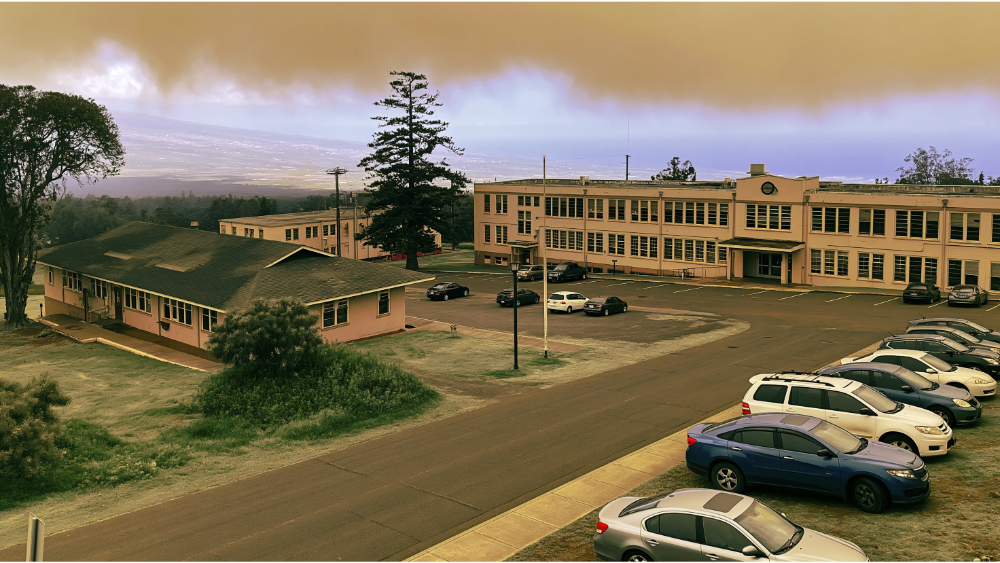
For school-aged kids, verify assignments by your exact address using the Hawaii Department of Education’s school finder rather than assuming. Enter a street address and it returns the elementary, middle, and high schools serving that location. Kula Elementary serves kindergarten through grade 5 at 5000 Kula Highway, and the finder identifies Kalama Intermediate School and King Kekaulike High within the surrounding complex area. Families are often drawn Upcountry for the quieter environment, and public-school assignments can vary block to block, so confirm yours before you sign.
Water deserves special attention here. Many Kula homes rely on water catchment rather than a municipal water meter, and county waitlists can be long. Maui County publishes Daily Upcountry Water Reports (Monday through Friday) and includes Kula in its Upcountry reporting area. Before you commit to a property, find out exactly how it gets water: county meter, catchment, or a private system, and check for any current county advisories. This single question can change how a home functions day to day, and it’s one of the biggest differences between the residential areas upcountry and living in central Maui.
For daily essentials, plan around the drive. Kula Hospital provides local healthcare, but larger shopping, most services, and specialized care typically mean a trip toward central Maui. Map your realistic routes to work, groceries, and medical care before you decide a specific address works for your life. Weekends can lean on what’s close: the farmers markets, nearby parks and trails, and the slower community rhythm that draws people here in the first place, all just a short drive from home.
Your Kula Moving Checklist Before You Sign a Lease
Run through this before you commit to any Kula rental:
- Confirm total monthly cost, rent plus utilities, against your real budget.
- Confirm the elevation and whether the property is in lower Kula or upper Kula, since that shapes the climate.
- Verify actual internet provider, plan, and speeds at the exact address.
- Ask how the property gets water and check current county advisories.
- Ask about wildfire risk, defensible space, and evacuation routes.
- Confirm pet acceptance, and start Hawaii’s pet import timeline months ahead.
- Confirm parking and your vehicle plan, including shipping and registration steps.
- Run the numbers with the Rent vs. Buy Calculator before considering a purchase.
- Visit in person or book a short-term stay first if you possibly can.
- Read the lease terms carefully