

Kapolei, Hawaii
Homes for rent and for sale — search the map or open the full city SEO catch-all page.
Kapolei, Hawaii
Kapolei, Oʻahu, serves as the island’s designated “Second City,” offering newer, master-planned suburban housing and growing regional transit access via the Skyline rail system compared to the older blocks of urban Honolulu. As of July 2026, residents benefit from significant local amenities, including major retail centers and family-friendly recreation, though they must contend with high Hawaii-level costs, particularly for electricity and housing. Prospective movers should prioritize a “math-first” approach: conduct a real-world rush-hour commute test to your specific workplace, verify address-level hazard risks (specifically tsunami and wildfire zones), and ensure your household budget accounts for Hawaii’s unique tax and utility climate before signing a lease or mortgage.
Should You Move to Kapolei Hawaii? The Quick Answer
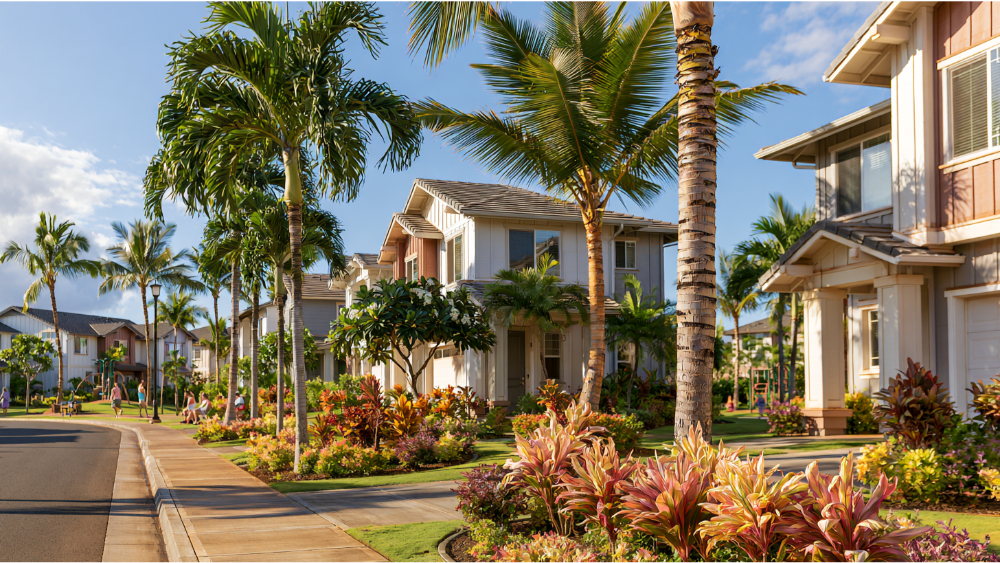
Moving to Kapolei means choosing West Side Oʻahu’s planned “Second City” trade-off: newer, more suburban housing and growing transit access, but Hawaii-level costs and a commute that can shape your daily life. Its cost of living tends to run lower than urban Honolulu, with a median rent near $2,089 and an average commute around 30 minutes. If you’re a renter, a remote worker, or a family weighing this next move to Kapolei, we built this guide to help you check the real numbers before you sign anything. That’s what a good decision looks like here.
Where Is Kapolei HI, and Why “Second City”?
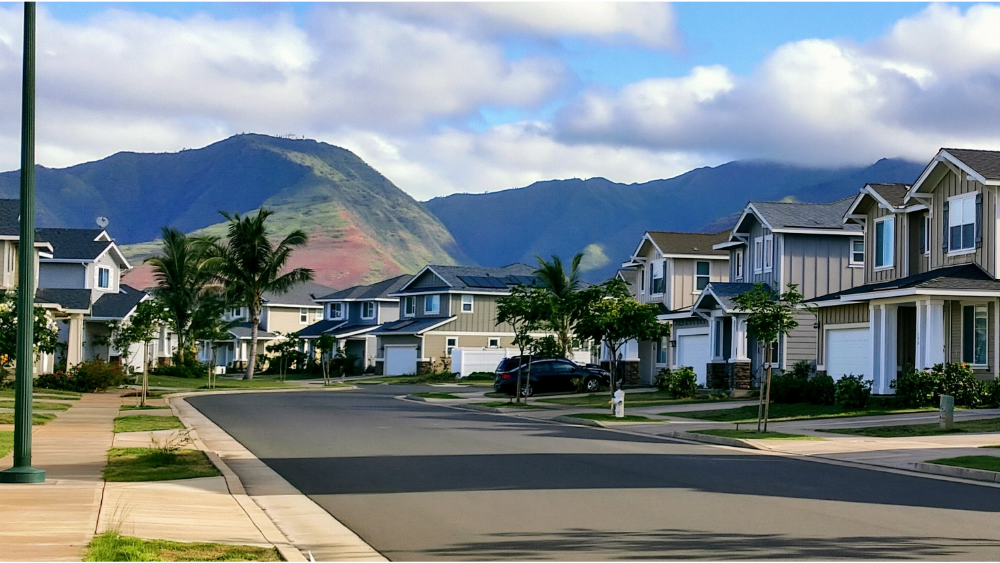
Kapolei sits on Oʻahu’s West Side, and it was planned as the island’s “Second City” to relieve pressure on urban Honolulu. For residents today, that means newer development, master planned communities with wide streets, parks, and green space instead of aging urban blocks. The population sits around 20,497 residents and keeps climbing, which is why you’ll see fresh new construction and a family-friendly feel across much of the town. Kapolei stands out on Oʻahu as growth by design, not by accident, with retail centers and businesses built into the plan from the start. Ka Makana Aliʻi, the area’s regional mall, anchors much of the shopping and dining.
Cost of Living in Kapolei: The Numbers to Check First
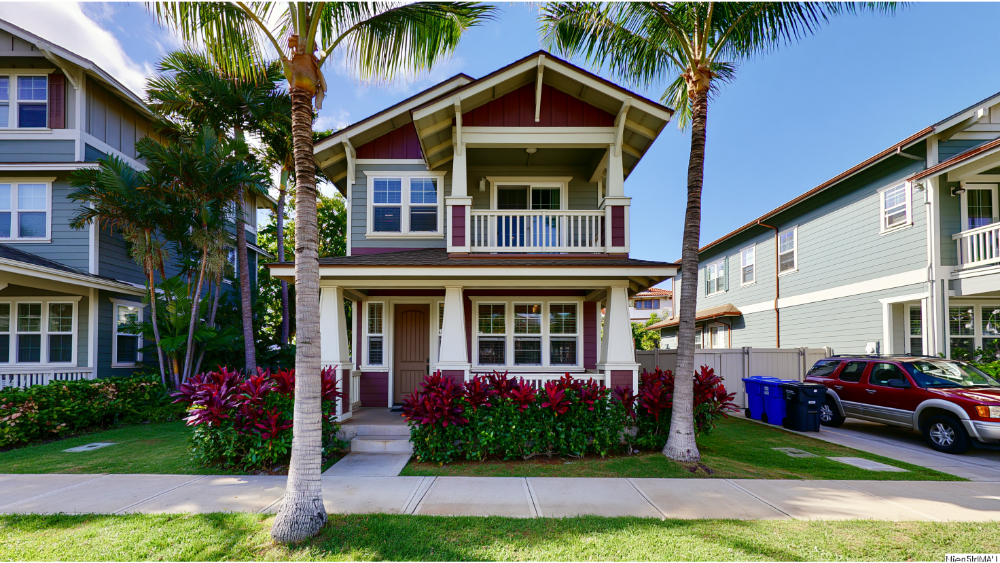
Before anything else, understand that you’ll see three different “rent” numbers, and they don’t mean the same thing. Market and Census rent (roughly $2,089 to $2,507) reflects what people actually pay. HUD’s Fair Market Rent for ZIP 96707 is a policy benchmark. And Hawaiʻi’s HHFDC affordable-rent guidelines are program figures, not asking prices.
| Benchmark | Studio | 2BR | 4BR |
|---|---|---|---|
| HUD FY2026 FMR (96707) | $2,300 | $3,240 | $5,440 |
Hawaii’s cost pressure is real: urban Hawaii prices rose 5.1% year over year in May 2026, energy jumped 28.8%, and residential electricity averaged about 41.53¢/kWh. Treat all of these as dated, point-in-time estimates and verify current figures for your own household before moving to Kapolei.
Renting in Kapolei: What to Expect Before You Apply
Kapolei’s newer housing gives you options that older Honolulu neighborhoods often can’t, from townhouses to larger estate-style homes. When you’re relocating, budget beyond the rent itself: security deposit, utilities, parking, pet rules, and any HOA or AOAO restrictions (some limit moving-truck access and require permission or a move-in reservation before your week arrives). Mainland movers and anyone relocating a full household should have income proof, ID, references, and application funds ready so the process stays secure and simple. Run our Rent Calculator and browse rental listings on our website before you commit. As a full-service, broker-owned platform, we care about the seamless experience after move-in, not just the signature. If a listing raises questions, contact us before you apply.
Rent vs. Buy in Kapolei: Weighing New Construction
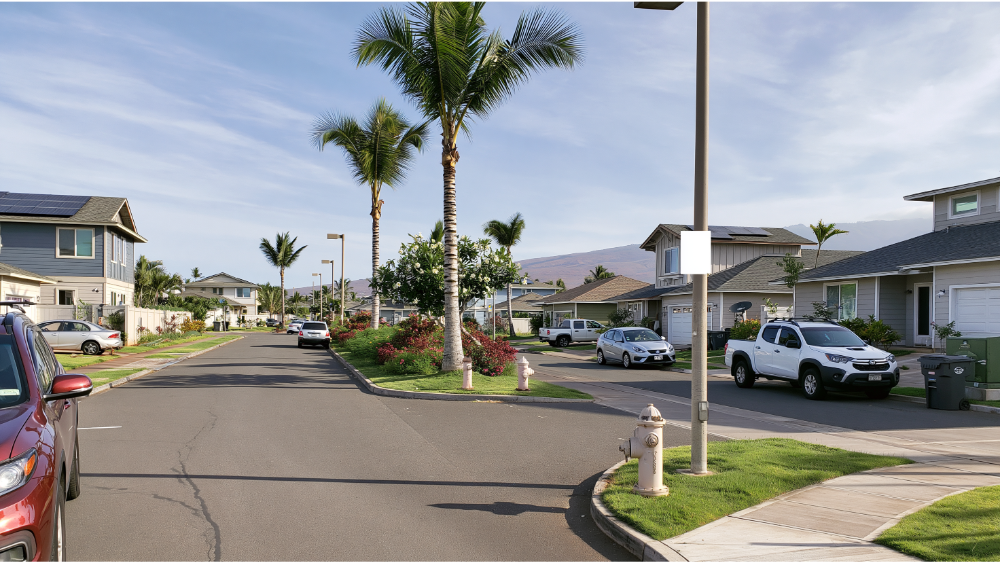
Kapolei’s median home value lands around $812,451, with a practical price floor of roughly $750K to $900K for many homes. For wider context, the Oʻahu single-family median sales price recently sat near $1,166,000, though that’s island-wide, not Kapolei-specific. Buying here also means factoring in mortgage costs, property considerations for newer new construction, and monthly HOA or AOAO fees that can be substantial. Before you decide, run our Rent vs. Buy Calculator and Mortgage Calculator so the math is yours, not a guess.
The Kapolei Commute: Test It Before You Commit
We won’t hand you a fixed Kapolei-to-Honolulu drive time, because nobody honestly can. Census data puts the average commute around 30 to 32 minutes, but commuting time swings hard based on H-1 traffic, your work hours, and where in town you’re headed. During rush hour, commuting into Honolulu can run well past 30 minutes. The single best thing you can do is drive the exact route at your actual work times before signing a lease. If you work from home, this whole equation and your daily life change in your favor.
Getting Around: Skyline Rail, TheBus, and the Airport

Skyline, Oʻahu’s automated rail, runs from East Kapolei (Kualakaʻi) toward Civic Center in Kakaʻako under its revised 18.9-mile, 19-station scope. Segment 1 opened in June 2023 and Segment 2 in October 2025, with stations serving UH West Oʻahu, Pearl Highlands, and the airport. TheBus Route 46 (Kapolei Commons to UH West Oʻahu) now runs 3:45 a.m. to 10:30 p.m. every 15 minutes after the October 16, 2025 changes, a reliable help if commuting without a car is your plan. Driving and parking still matter most day to day. Confirm current schedules before you plan around transit.
Moving to Hawaii With Pets: Start Early
Begin months ahead. Hawaii is rabies-free, so every dog and cat in your household must meet strict import rules before moving. Pets that qualify for the 5 Day Or Less program may earn Direct Airport Release in Honolulu.
- A 30-day minimum wait after a successful FAVN rabies antibody test.
- A 30-day minimum wait after the most recent rabies vaccination before arrival.
- A $185 Direct Airport Release fee, with documents received at least 10 days before arrival to avoid higher fees.
- Up to 120 days of quarantine if requirements aren’t met.
The Hawaiʻi Pet Owner Portal lets you submit applications and upload records online, which keeps this part of moving from becoming a last-minute scramble.
New Resident Checklist: License, Vehicle, Utilities, and Taxes
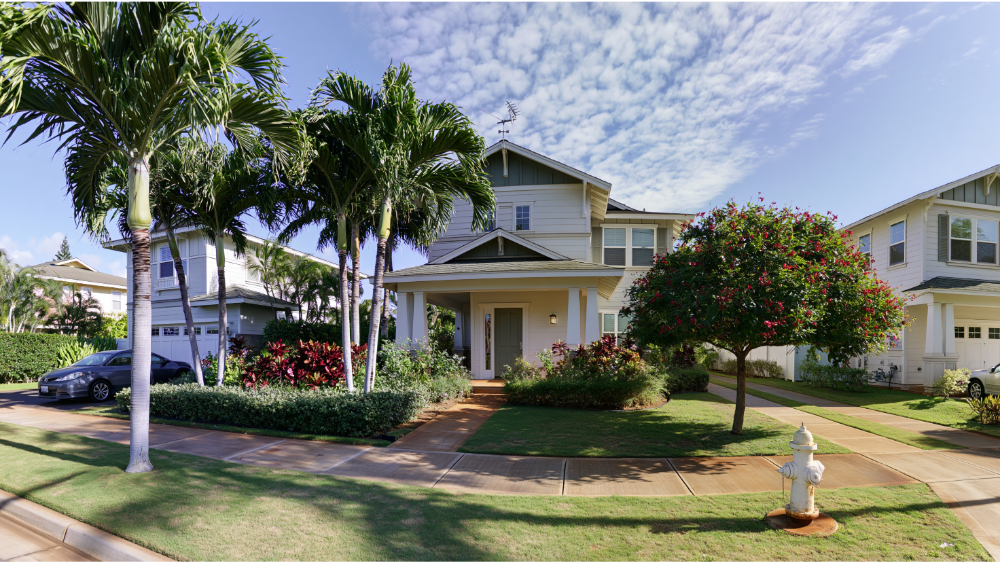
- Driver’s license/REAL ID: Apply in person with proof of legal name, date of birth, Social Security number, and Hawaii residence. The Kapolei HI licensing center is at 1000 Uluohia St., #101 (a public DMV location).
- Vehicle registration: Handled by county; follow the Honolulu Department process for registration, and plan shipping if bringing a car when relocating.
- Utilities: Budget for high electricity at roughly 41.53¢/kWh, a real factor in family life on Oʻahu.
- Taxes: Honolulu’s GE tax pass-on maxes at 4.7120% (through 2030), and state income tax runs 1.4% to 11%. Check the current Hawaii Department of Taxation rules or your tax professional.
Schools, Education, and Healthcare Near Queen’s Medical Center
Always verify school assignment by your exact address using the Hawaiʻi DOE SchoolSite Locator App, since zones are set by location, not by neighborhood reputation. Kapolei serves families and their kids through public schools including Kapolei High, and the area has a higher-education anchor in the UH West Oʻahu university campus, which opened its permanent Hawaii West Oahu campus in 2012 and serves around 3,000 students. That makes it a draw for young households and parents who value education close to home. Libraries and after-school programs round out family services and community life. For healthcare, Oʻahu residents have access to major facilities like The Queen’s Medical Center, plus West Side clinics, restaurants, retail centers, and shopping for everyday convenience. The James Campbell name runs deep through the region’s history and land, another reminder of how planned this corner of the island is.
Climate, Weather, and Hazard Checks Before You Choose a Property
Check the exact address for tsunami, flood, wildfire, and dam risk before you sign or buy, because significant parts of Kapolei fall within the extreme tsunami evacuation zone. Use the Hawaiʻi Emergency Management Agency tsunami maps, the Honolulu Department of Emergency Management resources, and the Hawaiʻi Climate Data Portal for microclimate and weather details. Not every Kapolei property carries the same risk, so verify the specific lot rather than assuming. Explore the maps for your street before you commit.
Pros, Trade-Offs, and Building Your Kapolei Budget With KT Rents
The upside of Kapolei is real: a planned community with West Side services, growing transit, newer housing, and recreation from the calm Ko Olina Lagoons (great for families) to Kapolei Regional Park, Wet ‘n’ Wild Hawaii, nearby Ewa Beach shores, and golf. It’s easy to explore the neighborhood and see where your household and friends fit, and to enjoy what the area offers. The trade-offs are just as real: high housing and utility costs, a commute you should test, island moving logistics, and hazard prep. Our job is to help you compare real numbers first, because feeling at home starts before the lease is signed. Use our Rent Calculator, Rent vs. Buy Calculator, Mortgage Calculator, and Cost of Living Calculator, then Find Your Perfect Home Near You and Browse Rental Properties Near You. Have a question or a comment about a listing? Send us a quick word by post, phone, or email: call (800) 716-4950 or email info@ktrents.com.
Frequently Asked Questions
Is Kapolei, Hawaii a good place to live?
It can be, if the budget and commute work for you. You get a planned community, newer housing, and strong recreation, balanced against Hawaii-level costs and a commute worth testing first. If you have a comment or question about a specific area, reach out.
Is it expensive to live in Kapolei, Hawaii?
Yes, though it often runs lower than urban Honolulu. Expect median rent near $2,089, home values around $812,451, and high electricity around 41.53¢/kWh.
Is $5,000 a month enough to live in Hawaii?
It’s tight for a family after rent, utilities, and GE tax, but workable for a single renter on a careful budget. Run our Cost of Living Calculator to test your own numbers before moving.
Is $8,000 a month enough to live in Hawaii?
That’s more comfortable for a household, especially with a reasonable rent. Still verify against real rent, utility, and tax figures using our calculators before you commit.