

Pahoa, Hawaii
Homes for rent and for sale — search the map or open the full city SEO catch-all page.
Pāhoa, Hawaiʻi
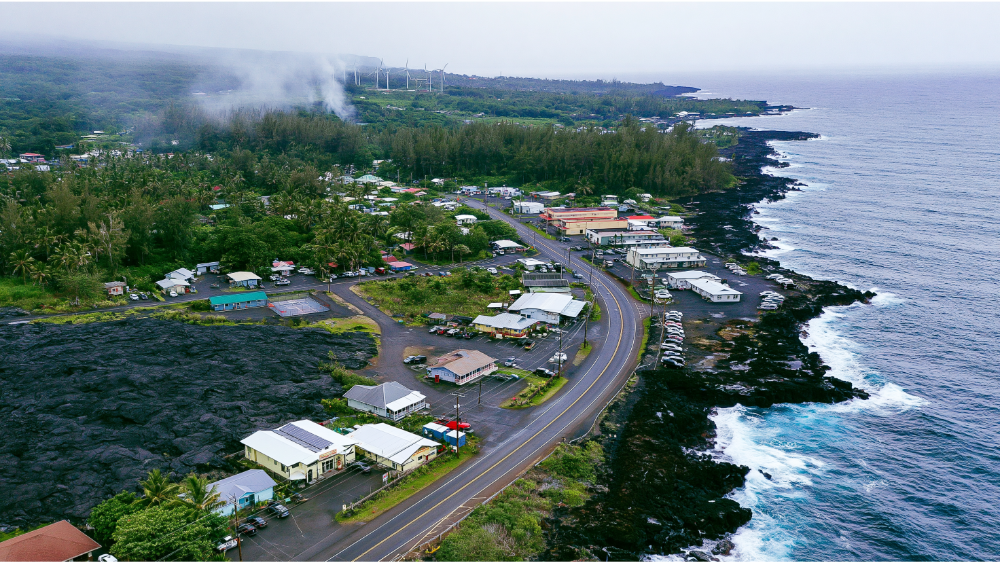
Pahoa, located in the Puna District of the Big Island, offers one of the most affordable housing markets in Hawaiʻi, attracting residents who prioritize a rural, nature-focused lifestyle over urban convenience. As of July 2026, prospective movers must account for significant regional challenges, including location within Lava Flow Hazard Zone 2, which complicates financing and insurance availability, as well as high utility costs and rural infrastructure—such as rainwater catchment and mandatory cesspool upgrades. A “rent-first” strategy is strongly recommended to personally evaluate microclimates, commute times to Hilo (typically 45–60 minutes), and the specific off-grid requirements of any parcel before committing to a permanent residence.
Yes, moving to Pahoa Hawaii can be a smart, more affordable way into Big Island living. But it only works if you do your research first on lava zones, utilities, insurance, and the commute. Pahoa is one of the most affordable towns on the Big Island, and it’s also remote, with fewer services than Hilo or Kona, and it sits in one of the most active volcanic zones in the country.
If you’re a renter, remote worker, or future resident weighing this move, here’s our honest take: rent first, verify the exact property, and don’t buy a house sight unseen. This guide walks you through everything you need to check before you commit to living in Pahoa.
Where Pahoa Is and Why People Consider Moving to Pahoa Hawaii
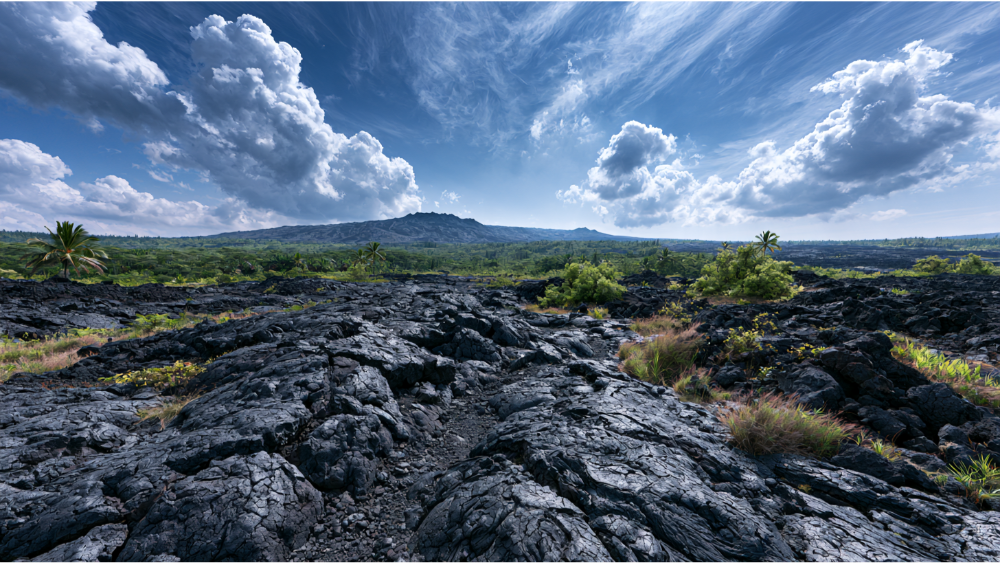
Pahoa is a small town located in the Puna District on Hawaii Island, out in the rainier, greener stretch of lower Puna. The 2024 ACS 5-year estimate puts the population around 1,361 across roughly 2.2 square miles, or about 625 people per square mile. Treat those as estimates, not exact counts.
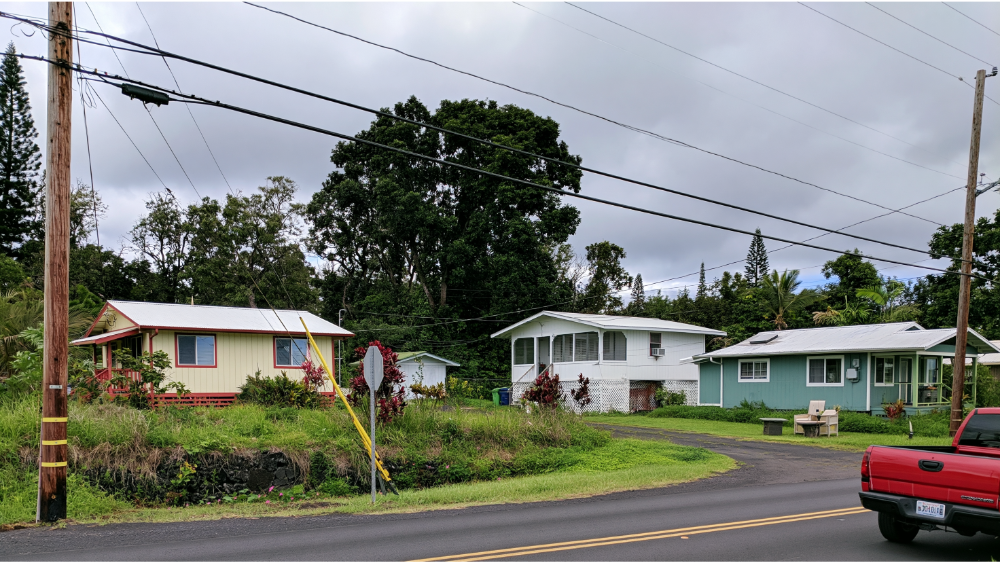
Keep in mind that “Pahoa” often means more than the town itself. The 96778 zip and surrounding communities and locations like Nanawale Estates, Hawaiian Beaches, and Hawaiian Shores get grouped in loosely. What draws people is the slower pace and an eclectic community of artists, farmers, and retirees who love living close to the land, surrounded by lush landscapes and easy access to nature. Many explore these outlying neighborhoods for extra land and a quieter setting.
Is Pahoa a Good Place to Live?
Pahoa is a right fit if you want a rural, laid-back lifestyle, don’t mind rain, and can work remotely or handle a commute. It’s a place to think twice about if you need city conveniences nearby, top-rated schools within walking distance, or specialty medical care around the corner. Your individual preferences will shape whether this area feels like home.
On safety, we won’t label any area “safe” or “unsafe.” Instead, review the Hawaiʻi Police Department crime map and visit in person at different times of day before making a decision. For schools, check the official Hawaiʻi Department of Education assignment tools for your exact address rather than trusting listing copy.
Cost of Living in Pahoa vs. the National Average
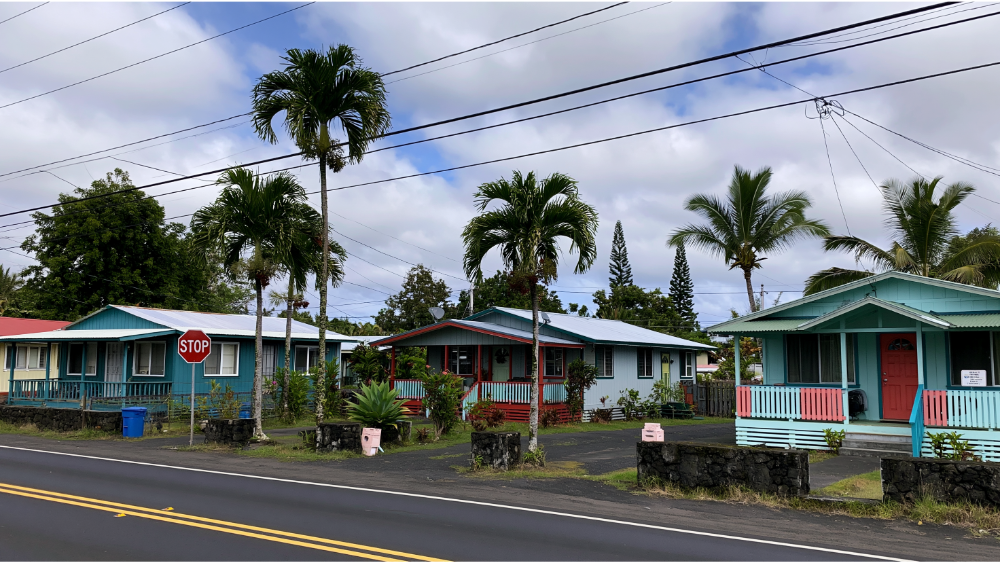
Housing in Pahoa can run below much of Hawaii, but nearly everything else costs more because so much is shipped in. Groceries and utilities in particular sit well above the national average. Electricity is the big cost: Hawaii’s statewide residential rate was about 41.53 cents per kWh (year-to-date through March 2026, statewide, not Pahoa-specific), close to triple the national average. When you research the true cost of living here, energy is the line item that surprises people most.
For context, HHFDC’s 2026 Hawaiʻi County guidelines list an area median income of $98,300. Budget for these monthly factors:
- Rent (verify live listings, not averages)
- Electricity (expect a high bill above the national average)
- Homeowners or renters insurance
- Vehicle and fuel
- Groceries and food
- Property or catchment maintenance
Run the numbers before you move. Our Cost of Living Calculator and Rent Calculator help you build a realistic total, not a hopeful one, so you can find the budget that actually works.
Pahoa Real Estate Market: Why Housing Can Look More Affordable
Pahoa homes often list for less than other parts of Hawaii, and there are real factors behind that. The area is in Lava Flow Hazard Zone 2, which complicates insurance and lending. Add rural infrastructure, off-grid utilities on many parcels, longer commutes, and limited healthcare access, and the discount starts to make sense.
The 2024 ACS 5-year estimate puts the median owner-occupied value around $375,900. Listing-site medians sometimes run lower, but all of these are estimates, not current real estate market prices. Property conditions vary wildly parcel to parcel, which is exactly why we push renting before buying. Before you commit to a house here, study the local market closely.
Lava Zones and Kīlauea: What Zone 2 Really Means
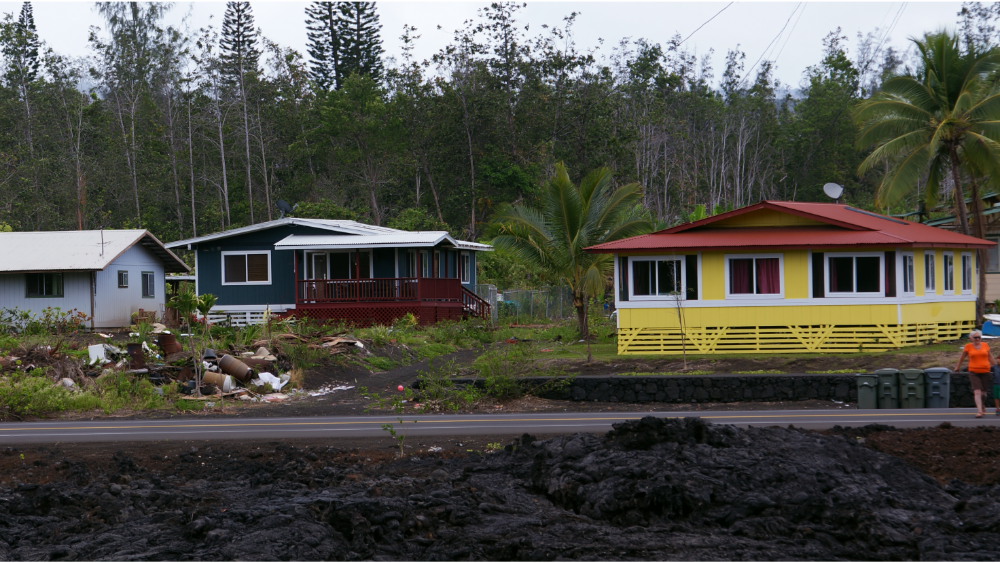
USGS places Pahoa and nearby lower Puna communities in Lava Flow Hazard Zone 2. Hawaiʻi County notes that 15% to 25% of Zone 2 land has been covered by lava flows since 1800, and 25% to 75% within the past 750 years. Risk generally drops the farther you sit from Zone 1, so proximity to Zone 1 is a key factor when comparing parcels.
Kīlauea’s alert level was ADVISORY as of July 2026, but conditions change fast, so recheck the USGS updates on the day you’re deciding. Verify the lava zone for the specific parcel, not just the town. This connects directly to insurance: the Hawaiʻi Property Insurance Association exists partly to cover homes in Zones 1 and 2 when private insurers won’t.
Weather and Rainfall: Expect More Rainfall on the East Side
Lower Puna sits on the wetter east side of the Big Island, so the weather here brings more rainfall than the Kona coast. That’s exactly what keeps the greenery so vivid, but it’s worth factoring into your daily lifestyle if you’re interested in gardening, catchment reliability, or simply how much sun you’ll enjoy week to week.
Water, Wastewater, Electricity, and Internet
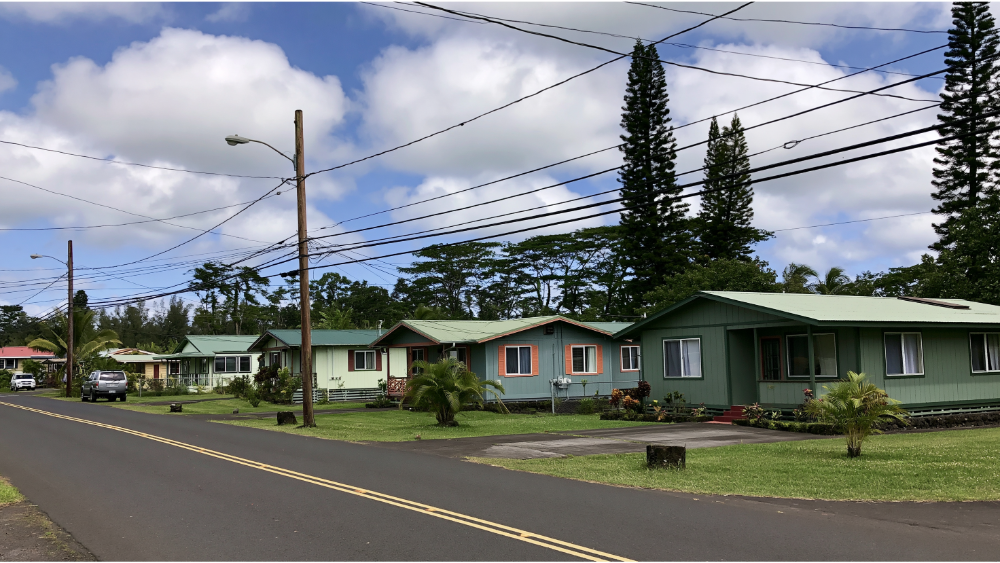
Many Puna properties rely on off-grid systems, so ask before you sign:
- Water: Rainwater catchment is common. Hawaiʻi DOH does not regulate individual home catchment systems, so follow University of Hawaiʻi guidance and inspect the setup.
- Wastewater: Act 125 requires all Hawaiʻi cesspools to be upgraded, converted, or replaced by 2050 unless exempted. The Pahoa tract had 2,137 cesspools in a 2024 assessment.
- Electricity: Expect high bills given statewide rates well past the national average.
- Internet: If you work remotely, confirm real service speeds at the exact address before committing.
Getting Around: Pahoa to Hilo, Commuting, and the Airport
Pahoa is car-dependent. Driving to Hilo takes roughly 45 to 60 minutes, and the ACS estimate puts mean travel time to work around 27.8 minutes. Proximity to Hilo matters for jobs and services. Hele-On’s Route 40 connects Pahoa and Hilo, with one scheduled trip running about 58 minutes from Puna Kai Shopping Center to the Hilo terminal, though schedules are approximate. Hilo International Airport is reachable by car, taxi, or bus. Plan your commute before you sign a lease.
Job Market, Healthcare, Schools, and Daily Services in Pahoa Hawaii
Line up remote work, a Hilo or island job, or a commute plan before you move. The Pahoa job market leans toward small businesses and is more limited than Hilo’s, though Hawaiʻi County unemployment sat around 3.0% in May 2026. Because the local job market is thin, most newcomers rely on remote income or a commute. Local clinics like Pāhoa Family Health and East Hawaiʻi Health Clinic handle routine care, but emergency and specialty services usually mean a drive toward Hilo (roughly a 35-minute planning estimate).
The town has real local flavor, with food spots like Ning’s, Kaleo’s, Pahoa Fresh Fish, and Tacos Jalisco at Puna Kai. You’ll also find small art galleries, a variety of shopping, and outdoor activities that make the area feel alive. Many residents enjoy the farmers market and the mix of small eateries. For schools, use official DOE tools, and confirm grocery and pharmacy access by your actual address.
Moving Pets and Renting Before You Buy
Hawaiʻi’s animal quarantine rules are strict. Required documents must be submitted no less than 10 days before your pet arrives to qualify for the 5 Day Or Less or airport release program, with a listed fee around $244 per pet (verify before booking). Start months ahead.
On renting first, our answer is a firm yes. Try Pahoa for 6 to 12 months on a long-term lease before you buy a house. Before committing to a Lava Zone 2 purchase, run our Rent vs. Buy Calculator and Mortgage Calculator so the decision is based on numbers, not a vacation feeling. Making the move without that math is how people get stuck.
Your Pahoa Moving Checklist (and How KT Rents Helps)
- Confirm the exact lease or property address
- Check the parcel’s lava zone and proximity to Zone 1
- Confirm insurance availability and estimated premium
- Check the water source (catchment vs. county)
- Check the wastewater system (cesspool or septic)
- Confirm electricity and internet
- Test the commute
- Complete pet paperwork early
- Confirm healthcare access
- Rent first if you’re unsure
Renters can use KT Rents’ full-service, broker-owned tools, browse rental listings, and submit an application when ready. Own a house or rental you’re managing from afar? We handle full-service management: tenant placement, tenant screening, rent collection, property maintenance, inspections, compliance, and court evictions, without the owner lifting a finger. Call (800) 716-4950. Se Habla Español.
Frequently Asked Questions
Why is Pahoa so cheap to live?
Housing is lower partly because of Lava Zone 2 status, rural infrastructure, and off-grid utilities. But groceries and electricity run well above the national average, so the overall cost of living isn’t as low as home prices suggest.
What is Pahoa, HI like?
It’s a rural, rainy lower Puna town with a slower pace and an eclectic community of artists, farmers, and retirees who love the land. Local services are limited compared to Hilo.
Should I rent before buying in Pahoa?
Yes. Verify the parcel, insurance, and utilities first, and use our Rent vs. Buy Calculator before you commit to a purchase in Lava Zone 2.
Can I live in Hawaii on $2,000 a month?
It’s very tight in Pahoa once you factor in electricity and grocery costs above the national average. Realistic budgeting is essential, so run the Cost of Living Calculator first.
What is the best area to live on the Big Island?
It depends on priorities. Pahoa suits affordability and pace, while Hilo offers more services and healthcare. Explore both towns in person before deciding.