

Beaverton, Oregon
Homes for rent and for sale — search the map or open the full city SEO catch-all page.
Beaverton, Oregon
Moving to Beaverton, Oregon puts you in a Portland-area suburb with MAX light-rail access, 117-plus park sites, and a median household income of $98,622. Home values sit around $569,800 and overall costs run 26 to 39% above the national average. Renting first lets you test a specific neighborhood, commute, and school boundary before committing to a purchase.
Moving to Beaverton, Oregon
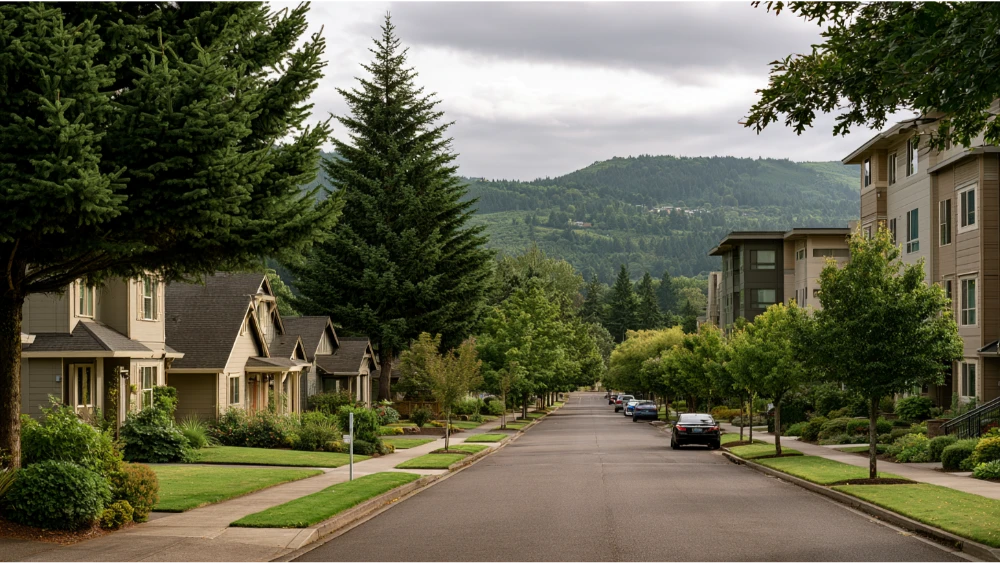
Beaverton is a practical Portland-area suburb with real housing variety, direct light-rail access, a deep park system, and plenty of westside jobs. It sits just west of Portland in Washington County, roughly 22 minutes by car, and it carries Pacific Northwest charm with suburban convenience. The catch: housing costs run high, and your actual experience depends on the exact neighborhood, commute, and school boundary you pick. This guide is for anyone relocating here from anywhere in the U.S. and trying to figure out whether the version of Beaverton you can afford will fit your real life.
Quick read:
- Strengths: housing options, MAX light rail, parks and trails, westside employment, diverse food and events.
- Tradeoffs: cost of living runs about 26 to 39% above the national average, wet winters, and car dependence in some areas.
Beaverton at a Glance: Population, Income, and Portland Context
Beaverton is a mid-sized city with a strong connection to Portland’s economy and transit network.
- Population: about 97,842 as of July 1, 2025 (U.S. Census).
- Median household income: $98,622 in 2024 dollars (Census, 2020–2024).
- Location: Washington County, directly west of Portland.
- Community: 26.9% of residents age five and older speak a language other than English at home, and about 19.4% are foreign-born.
Beaverton anchors the western edge of the Portland metro and the “Silicon Forest” tech cluster, which shapes much of the local job market and the relocation demand that comes with it. For many families weighing a move, the mix of jobs, parks, and schools is a big part of why they love living in this corner of the metro.
How Much Does It Cost to Live in Beaverton?
Before you compare rent numbers, understand what they mean. Census gross rent ($1,826, 2020–2024) reflects what existing renter households pay and may include some utilities. Asking rent is what’s listed right now, which runs higher and moves month to month. Mixing the two is how most relocation guides mislead people, so always check the date on any figure.
| Benchmark | Figure | Source / date |
|---|---|---|
| Median gross rent | $1,826 | Census, 2020–2024 |
| Current asking rent | ~$1,871–$2,010 | market indexes, Sept–Oct 2026 (verify current listings) |
| Median owner-occupied value | $569,800 | Census, 2020–2024 |
| Owner-occupied rate | 50.5% | Census, 2020–2024 |
Oregon has no general sales tax, which helps everyday budgets. It does have a state income tax ranging from 4.75% to 9.9% depending on income and filing status, and property taxes you will want to factor into any purchase plan. To pin down your own numbers rather than relying on a citywide average, run the figures through KT Rents’ Rent Calculator and Cost of Living Calculator.
Choosing a Beaverton Neighborhood That Fits Your Commute and Budget
Here’s a distinction that trips up newcomers: the City of Beaverton recognizes 11 official Neighborhood Association Committee areas, and those don’t always match the “area” names used in real estate listings. A “Beaverton” mailing address doesn’t guarantee you’re inside city limits, assigned to a specific school, or served by a particular utility.
Pick a neighborhood by matching concrete attributes to your routine rather than by vague labels:
- Commute direction toward your workplace or the MAX line.
- Transit proximity, meaning actual walking distance to a station, not just “near MAX.”
- Housing type: apartments, townhouses, condos, or single family homes.
- Parks and daily errands within reach.
Verify every address against the city’s neighborhood map, the school locator, and the utility providers before you sign anything. Boundaries change block by block, so the surrounding area of one listing can differ sharply from another a few streets over.
Getting Around Beaverton: MAX, WES, and the Car Question
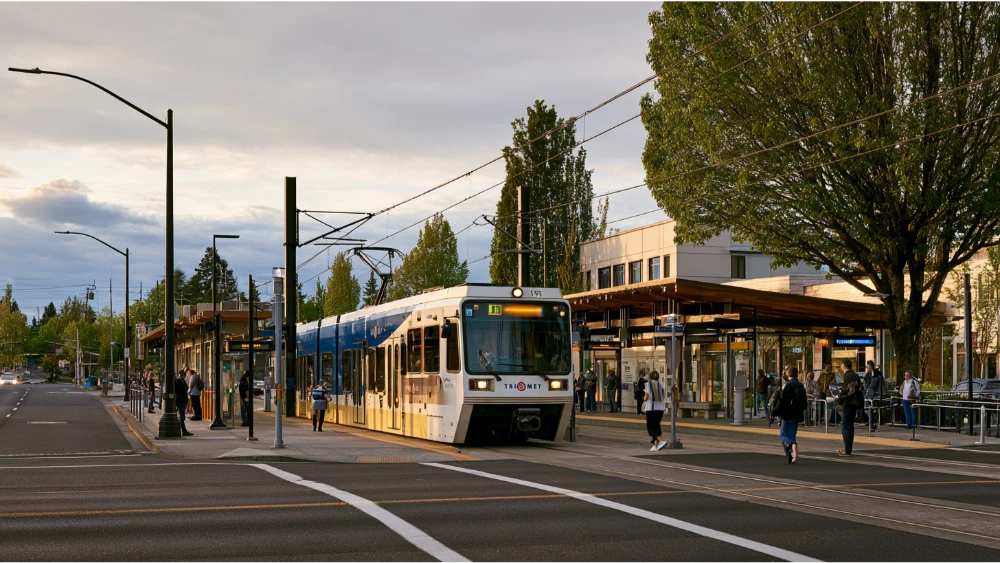
Beaverton Transit Center is the hub. The MAX Blue Line connects Beaverton to Portland, and the MAX Red Line runs toward Portland International Airport and Hillsboro. MAX generally comes every 15 minutes or less for most of the day. WES commuter rail links Beaverton, Tigard, Tualatin, and Wilsonville on weekdays, roughly every 45 minutes during morning and afternoon commute windows.
By car, US-26 and OR-217 carry most of the traffic, and the Census reports a mean commute of about 24 minutes. That’s an average, not a promise for peak trips into downtown Portland. “Near MAX” can still mean a bus ride, bike, or short drive to the platform, so test your actual commute from a prospective address at the times you’d travel. With 60-plus miles of paved trails, biking is a genuine option for both commuting and weekends.
Jobs and the Local Economy in the Silicon Forest
Beaverton sits inside the Silicon Forest, the region’s technology and manufacturing cluster. Nike’s world headquarters is here, and the broader westside hosts major tech and manufacturing employers along with hundreds of smaller tech firms. The presence of Nike alone draws steady professional interest to the area. Rather than chase individual employers, look at Washington County by sector: technology, manufacturing, healthcare, professional services, education, and government.
The county reported more than 295,700 jobs covered by Oregon’s unemployment insurance system in early 2026, with manufacturing still a major industry and growth in health and education services. Remote work is practical here given solid broadband, so plenty of newcomers keep an out-of-state job and relocate for the lifestyle rather than a local role. If a local move is in your near future, map your sector and your likely commute together.
Beaverton School District and Education Options
The Beaverton School District is large and program-rich, with 34 elementary, 9 middle, and 6 high schools, plus option and charter schools, serving about 36,959 students. It runs option programs, online learning, and career and technical education, including a new Beaverton High School that opened in fall 2026. The International School of Beaverton has ranked among Oregon’s top high schools, and district-wide math proficiency was about 43% in 2024–25.
Treat ratings as context, not gospel. Use the district’s address-based school locator to confirm assignment before you lease. Kindergarten generally requires a child to turn five by September 1, and a current lease agreement works as proof of address for enrollment. For families with school-age kids, this focus on quality schools is often the deciding factor.
Hospitals and Healthcare Near Beaverton
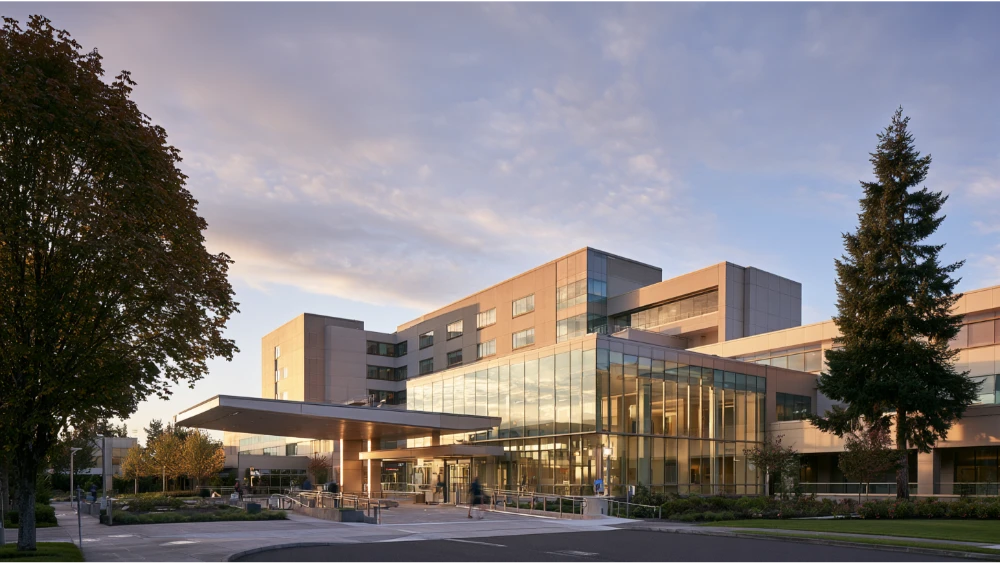
Hospital-level care on the westside includes Providence St. Vincent Medical Center, a 539-bed tertiary-care facility, along with Kaiser Permanente Westside Medical Center in Hillsboro and Oregon Health & Science University in Portland. Which one fits depends on your insurance network, the specialty you need, and your exact address.
Before you move, identify your nearest in-network emergency department, urgent care, pharmacy, pediatric provider, and primary-care clinic. Map the drive from your new home so you’re not sorting it out during an actual emergency.
Food, Arts, and Community Life in Downtown Beaverton
Downtown Beaverton is a destination in its own right, not just a place to sleep before commuting to Portland. The dining scene leans international, with food cart pods, restaurants, and grocery options reflecting the city’s diversity. The Beaverton Farmers Market, running since 1988, draws up to 130 vendors at peak and 15,000 to 20,000 visitors on summer Saturdays.
Beyond the market, the Beaverton Night Market showcases multicultural food and crafts, and the Patricia Reser Center for the Arts opened downtown in March 2022 with live music, theater, and gallery programming. The city hosts year-round events, and the Beaverton City Library offers multilingual and community programming. Locals will point you to plenty of fun things within a short walk, and when you want more, Portland’s full entertainment menu is a short MAX ride away.
Best Parks, Hiking Trails, and Weekend Recreation: Why People Love Living Here
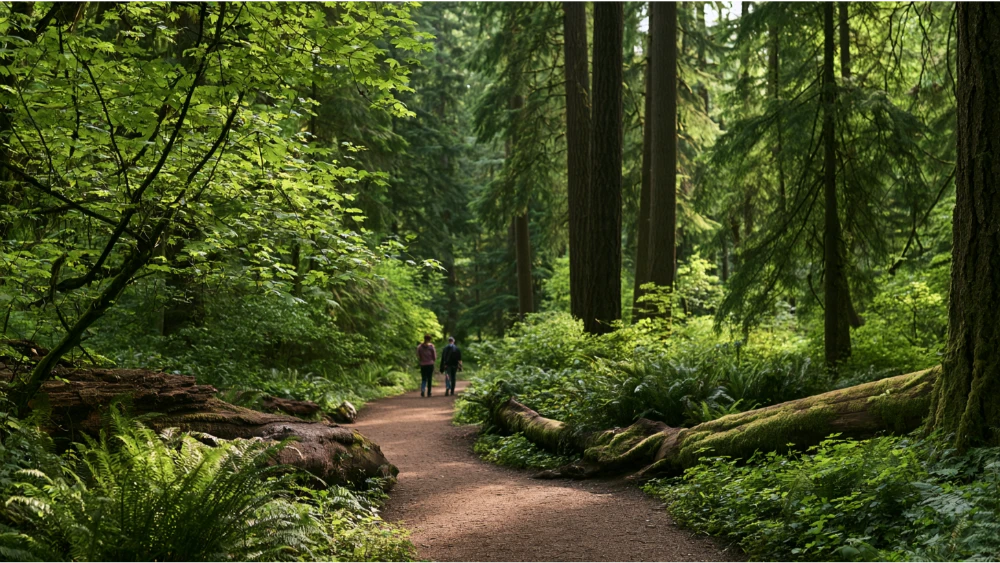
Outdoor access is one of the strongest reasons Beaverton residents love living here. The Tualatin Hills Park & Recreation District runs 117-plus park sites and 68 miles of trails across more than 1,500 acres of natural area, and it ranks among the best parks systems in the metro.
- Tualatin Hills Nature Park: a 222-acre wildlife preserve with about five miles of hiking trails (1.5 paved, 3.5 soft-surface).
- Cooper Mountain Nature Park: hilltop trails and restored habitat that reflect the city’s commitment to protecting the natural environment.
- Fanno Creek Greenway Trail: part of a connected path network for walking and biking.
With 60-plus miles of paved trails, you can string together recreation and a car-free commute in the same ride. These sustainability efforts help keep green space close to home, which is a real draw for anyone eyeing a Beaverton home near the water and woods.
Beaverton Weather and What to Pack
Expect the classic Pacific Northwest pattern: cool, wet winters and mild, dry summers. The weather in the metro proxy (Portland airport) shows roughly 37 to 40 inches of rain a year, with summers averaging near 78°F and winters around 48°F. Rain picks up through November, eases by spring, and snow is limited but occasionally disruptive when ice hits. Summers bring the odd wildfire-smoke day.
Pack a good rain shell over a heavy coat, and keep a fan or window AC for the handful of hot stretches. The region also sits in earthquake country, so follow Oregon’s “Be 2 Weeks Ready” guidance and build a household kit with at least two weeks of supplies.
What Renters Should Know About Oregon
Oregon has renter protections worth knowing before you sign:
- Rent increase caps: 9.5% in 2026 and 10% in 2027 for covered tenancies, though exemptions and notice rules apply.
- Deposit return: landlords generally have 31 days after a tenancy ends to return the refundable balance or provide an itemized accounting.
- Deposit timing: new or increased deposits are restricted in the first year, and after that a tenant generally gets at least three months to pay.
- Renter’s insurance: inexpensive, often lease-required, and worth having.
This is educational, not legal advice, so verify current rules before you rely on them. Working with a broker-owned, full-service manager like KT Rents means tenant placement, tenant screening, rent collection, and property inspections are handled to a professional standard nationwide, which gives renters and owners a dependable point of contact.
Your First 30 Days in Beaverton: A Move-In Checklist
- Driver license: transfer to an Oregon license within 30 days if you drive.
- Vehicle: title and register within 30 days of establishing residency.
- Utilities: confirm water, sewer, stormwater, electricity, natural gas, garbage, and internet providers by address, since they vary block to block.
- Voter registration: register at least 21 days before an election to vote in it.
- Schools: enroll your kids using your lease as proof of address.
- Insurance and mail: update renter’s insurance and your mailing address.
- Healthcare: locate your nearest in-network ER, urgent care, and pharmacy.
Should You Rent or Buy in Beaverton?
With median home values in the high $500,000s, buying is a six-figure commitment that’s hard to unwind if the neighborhood or commute doesn’t work out. Renting first lets you test a specific address, a MAX connection, and a school boundary before you lock in. It also keeps your options open while you learn which part of the westside actually fits your long-term plan for living here.
To compare the math, run KT Rents’ Rent vs. Buy Calculator and Mortgage Calculator. When you’re ready for help with a rental or management, call (800) 716-4950 or use KT Rents’ national marketplace and tools. We’re a full-service, broker-owned operator located right where you need us across the U.S., and we’ll point you to the right resources.
Frequently Asked Questions
Is Beaverton, Oregon a good place to live?
Yes, if you want suburban housing variety, light-rail transit, strong parks, and access to westside jobs. The tradeoffs are high housing costs and commute and school boundaries that depend on your exact address.
What is the downfall of living in Oregon?
High housing and overall cost of living, running about 26 to 39% above the national average, plus a state income tax and wet winters. The upside that offsets some of it is no state sales tax.
What are winters like in Beaverton, Oregon?
Cool and wet, with roughly 40 inches of rain a year and winter temperatures averaging near 48°F. Snow and ice are occasional and can be disruptive, but heavy snow is rare.
Can you live in Beaverton without a car?
It’s possible near the MAX Blue and Red Lines, WES, and bus routes, but many neighborhoods are car-oriented. Test your actual commute at your real travel times before you commit to an address.