

Portland, Oregon
Homes for rent and for sale — search the map or open the full city SEO catch-all page.
Portland, Oregon
Moving to Portland, Oregon means joining a city of about 635,109 people with walkable neighborhoods, strong food and outdoor culture, and mild winters with quick access to mountains and the Pacific. Expect housing and overall costs to run roughly 19.3% above the national average, with layered local taxes on top of state income tax. Renting first is the smart move so you can learn commute patterns and neighborhood feel before committing to a purchase.
Moving to Portland, Oregon
Moving to Portland can be a great fit if you love walkable neighborhoods, good food, urban parks, public transit, and mild winters with four distinct seasons and quick access to mountains and the Pacific. But you should budget carefully for housing and layered local taxes, and verify your commute, school assignment, and healthcare access before you sign a lease. That’s especially true for renters, families, and remote professionals relocating from out of state. Renting first is usually the smart first move while you learn how the city actually works. KT Rents is a nationwide, full-service, broker-owned rental platform that lists Portland rentals, so you can compare options before making a commitment.
Portland at a Glance: Population, Income, and Layout
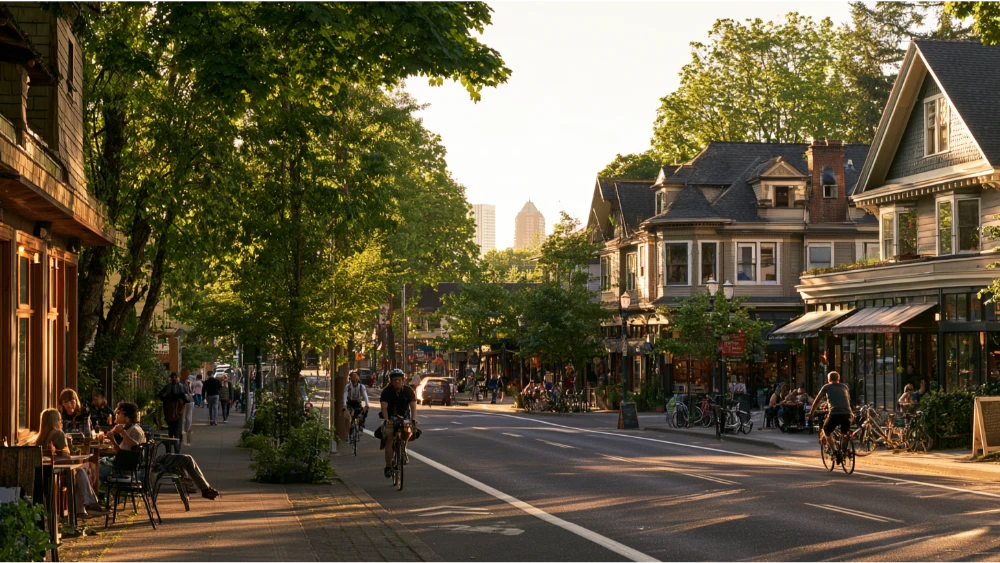
Learn the geography first. Residents split the city into six sections they call “quadrants”: North, Northeast, Northwest, South, Southeast, and Southwest, divided by Burnside Street and the Willamette River. You’ll need that to follow any neighborhood conversation. Portland’s population was about 635,109 as of July 2025, with a median household income of $90,919 (2020 to 2024). Roughly 52% of homes are owner-occupied, so nearly half of residents rent, which means there’s a large renter population here. Expect a Pacific Northwest culture built around shop-local habits, renewable energy, and green, lush surroundings most of the year.
How Much Does It Cost to Live in Portland?
Three “rent” numbers get mixed up online, so here’s the difference:
- Current advertised rent is what you’ll actually pay, roughly $1,400 to $1,600 for a one-bedroom.
- Census median gross rent was $1,655 (2020 to 2024), a lagging multiyear figure that includes some utilities.
- HUD Fair Market Rent is a metro benchmark, $1,677 for a one-bedroom and $1,922 for a two-bedroom (FY2026), not an asking-rent average.
On the ownership side, the Census median home value was $581,500, while the current median sits near $524,653, with median owner costs around $2,559 a month. Groceries, utilities, and overall cost of living run about 19.3% above the national average, driven mostly by housing. Before you spend real money on a move, run your own numbers with the KT Rents Cost of Living Calculator and Rent Calculator.
Should You Rent or Buy First When Moving to Portland Oregon?
Renting first lets you learn commute patterns and the feel of a neighborhood before you lock in, which matters a lot in a city this neighborhood-driven. Buying right away can make sense if you already know the area and your worksite. Keep in mind homes here sell fast, in a median of about 19 days, so a purchase decision moves quickly once you’re ready. If you’re thinking about either path, try the Rent vs. Buy Calculator and Mortgage Calculator to see which fits your budget.
How to Choose Where to Live in the Portland Area
Skip the “best area” rankings and choose by how you’ll actually live: commute time, transit frequency, housing type, walkable commercial streets, parks, parking, errands, and address-specific school boundaries. A few neighborhoods to know, described neutrally: the Pearl leans toward high-rises and boutiques, Northeast corridors carry a creative streak with galleries and cafes, Southeast is known for food-cart pods and vintage shops, and Sellwood-Moreland keeps a quieter pace with local shops. The eclectic mix of neighborhoods is part of what people love about the Portland area. Walkable streets like Alberta, Hawthorne, Mississippi, and Division anchor daily life in many areas, and the city is genuinely bike-friendly with dedicated lanes. For address-level detail, check PortlandMaps and the city’s official boundary tools before you decide.
Jobs and the Portland Economy
Portland has a large, diverse labor market. Big employers include OHSU in healthcare and tech and manufacturing anchors like Intel in Hillsboro and Nike in Beaverton. Be realistic, though: metro unemployment was 4.9% in August 2026, and nonfarm jobs were down about 1.5% year over year, so not every industry is expanding. Secure a job or confirm your remote-work arrangement before starting your move, and pick housing around your actual worksite rather than treating “Portland” as one commute zone. The mean commute is 24.1 minutes, but your river crossing and work location change that quickly.
Schools and Healthcare for New Residents
Schools
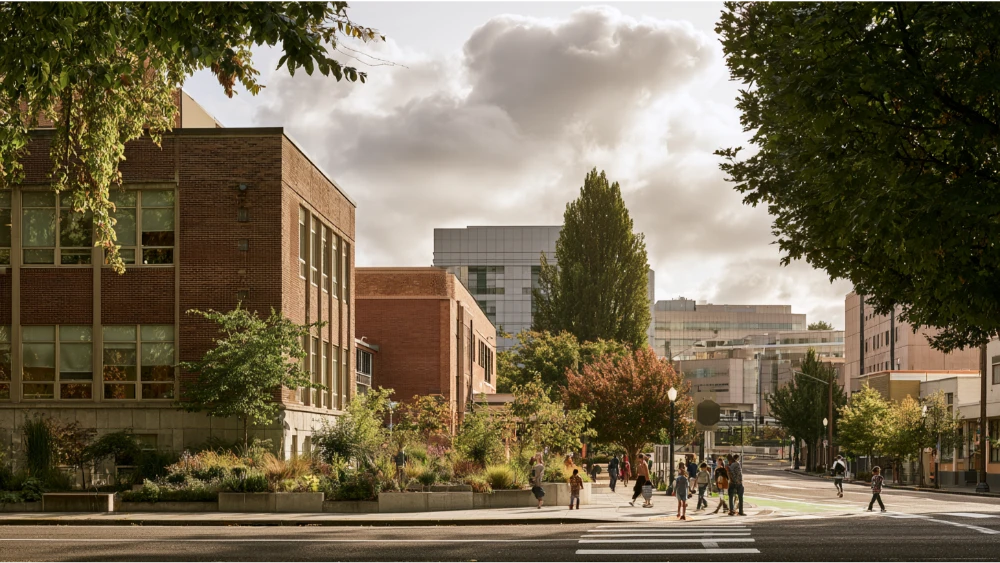
School assignment is address-specific. Portland Public Schools serves 43,479 students across 81 schools (2025 to 2026), but it isn’t the only district at Portland addresses. Verify your exact address with the official PPS School Finder, available in several languages, before leasing, and don’t lean on a single rating.
Healthcare
OHSU runs a Level I trauma center and a comprehensive stroke center. Multnomah County community health centers provide care regardless of insurance or ability to pay, with multilingual interpretation. Evaluate access by nearest emergency department, specialists, insurance network, and drive or transit time. It isn’t equal across neighborhoods.
Getting Around: Transit, Biking, and Driving
Living car-light is realistic in walkable, transit-served areas, and it’s one of the things new residents enjoy most. TriMet runs 5 MAX light-rail lines and 71 bus lines. The adult fare is $2.80 for 2½ hours, capped at $5.60 a day and $100 a month. Routes are changing, though: August 2026 service updates affected 34 lines and shortened the MAX Green Line, so test your actual commute in the live trip planner before signing a lease. Cycling culture is strong here, with extensive dedicated lanes that make biking feel safe for daily errands.
Weather and the Four Seasons in the Pacific Northwest
It’s more than “it rains.” The long gray, wet season from late fall through spring (about 36.92 inches of precipitation a year) keeps the city green. Summers are dry and sunny, averaging around 80°F, and fall foliage is vibrant. Winters are mild with occasional snow and ice, about 4.2 inches of snow in a normal year. Plan for summer and early-fall wildfire smoke, and look for a home with cooling and covered outdoor space.
Food, Entertainment, and Everyday Lifestyle

A normal Friday night here might mean wandering a food-cart pod for global flavors, grabbing a pint from one of 70-plus breweries, or sitting down for fine dining, with plenty for vegans and vegetarians. Weekends fill up fast: farmers’ markets, walkable dining districts, and easy outdoor access. Forest Park covers 5,200 acres with more than 80 miles of trails. Mount Hood offers year-round skiing, the Columbia River Gorge is close, and river kayaking is part of the local rhythm. This is the feel-like-a-local experience, not a tourist checklist, and it’s the kind of pace a lot of people fall in love with.
Taxes and Renter Rules Newcomers Should Know
Taxes: Oregon has no general state sales tax, but that’s not “low tax.” The state has a personal income tax, plus Metro Supportive Housing Services, Multnomah County Preschool for All, and Portland Arts Education taxes that depend on your exact address, income, and filing status. Verify your address with official jurisdiction tools and talk to a tax pro.
Renter rules (informational, not legal advice): The 2026 statewide rent-increase cap is 9.5%, rising to 10% in 2027, with generally no increase in year one and 90 days’ notice after. Inside city limits, Portland adds a 72-hour application waiting period and relocation-assistance rules. New Oregon residents have 30 days to handle their driver’s license and vehicle registration.
Find a Portland Rental That Fits Your Life
Browse Portland rental listings through the KT Rents nationwide, full-service, broker-owned marketplace, compare short-term and long-term leasing, and submit a rental application online. Run the Rent, Rent vs. Buy, and Cost of Living calculators before you commit. Our tenant support and maintenance-request tools are there so you feel at home, not just housed. Se Habla Español. Questions? Call (800) 716-4950. Your Rental. Your Way.
Frequently Asked Questions
How is the cost of living in Portland, Oregon?
It runs about 19.3% above the national average, driven mostly by housing, which sits roughly 33% to 45% above baseline. There’s no sales tax, but income taxes apply.
Is Portland a good place to retire?
It depends on your budget and healthcare needs. You get strong parks, transit, and OHSU-level care, but factor in housing costs and layered taxes. Renting first helps you test the fit.
Why are people moving away from Oregon?
Cost of living and housing prices are common reasons, and the population dipped slightly since 2020. Weigh the tradeoffs honestly against what Portland offers you.
Is Portland a safe place to live for climate change?
Mild winters and lush greenery appeal to many, but plan for wildfire smoke and occasional heat. The city emphasizes recycling, renewable energy, and LEED-certified buildings.