

Hillsboro, Oregon
Homes for rent and for sale — search the map or open the full city SEO catch-all page.
Hillsboro, Oregon
Moving to Hillsboro, Oregon means joining a growing city of roughly 112,000 people about 15 miles west of Portland, anchored by Intel and the Silicon Forest tech corridor. Median home values sit near $521,100 and median gross rent around $1,978, so housing costs run above the national average. Your daily experience depends heavily on which neighborhood you choose, since transit access, school boundaries, and commute times vary significantly by address.
Is Hillsboro, Oregon a Good Place to Live? (The Quick Answer)
Yes, Hillsboro is a solid choice if you’re moving to the Portland metro and want access to steady tech and manufacturing jobs, MAX light rail, two hospital campuses, and more than 30 parks. The catch is that housing runs above the national average, and your day-to-day experience changes a lot depending on where in the city you land. If you’re a renter or relocating professional comparing Portland-area communities, Hillsboro deserves a close look.
Here’s the framing that will save you money and frustration: the right answer isn’t city-level, it’s address-level. Before you sign anything, line up the exact address against your commute, your school boundary, your budget, and your transit access. That’s how you find the Hillsboro that actually fits your life, not just the one on a brochure.
Hillsboro Oregon at a Glance
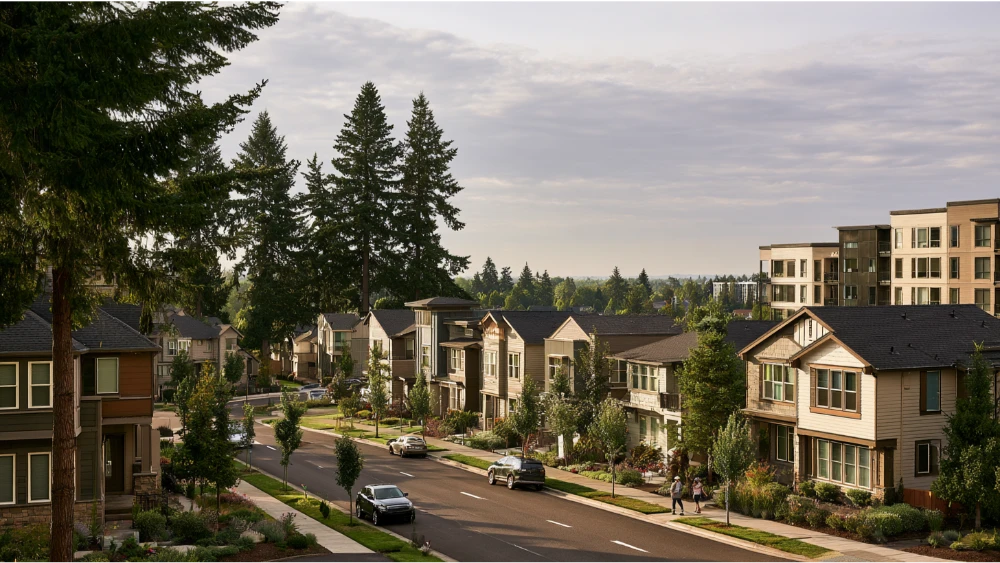
Hillsboro is located about 15 miles west of downtown Portland in Washington County, where it serves as the county seat and the fifth largest city in the state. Hillsboro sits at the western edge of the metro, and the Census Bureau estimated the population at 111,126 as of July 2025, up 4.4% from the 2020 base, while the City’s own estimate reached 112,735 as of January 2026. Either number tells the same story: Hillsboro is growing, and more people moving here every year means a steady stream of new neighbors and new community members settling into the city.
What makes Hillsboro stand out is that it’s a genuine employment center, not just a place people sleep before driving elsewhere. More than 50,000 workers commute into Hillsboro during the workday. The city anchors the western end of the Silicon Forest, Oregon’s tech and semiconductor corridor, which shapes everything from traffic patterns to housing demand. The workforce is highly educated, with a median household income of $106,409 (2020-2024, in 2024 dollars) and a large share of residents holding a bachelor’s degree or higher. Keep that employment-center status in mind, because it changes how you think about commuting later on.
How Much Does It Cost to Live in Hillsboro?
Hillsboro is not a budget market. The Census Bureau reports a median owner-occupied home value of $521,100 and a median gross rent of $1,978 (both 2020-2024 estimates, not today’s asking prices). Current rental listings and regional benchmarks tell a similar story. HUD’s FY2026 Fair Market Rents for the Portland-Vancouver-Hillsboro area come in at $1,677 for a one-bedroom and $1,922 for a two-bedroom, though those are program benchmarks rather than city-specific averages.
A quick cost snapshot:
- Rent: Median gross rent around $1,978 (Census 2020-2024); two-bedroom asking rents often land in the $1,790 to $2,180 range.
- Home values: Census median around $521,100; the City’s July 2025 data page used roughly $535,000.
- Property taxes: An effective rate near 0.86%.
- Sales tax: None. Oregon has no general sales or use tax, though it does levy personal income tax.
That no-sales-tax, yes-income-tax tradeoff matters when you compare Hillsboro to markets in other states. About 45% of Hillsboro renters are cost-burdened, meaning housing eats more than a third of their income. You’ll see guides online declaring you need a specific salary, often around $72,000, to rent comfortably in this city. Treat that as a starting point, not a rule. Your real number depends on household size, debt, transportation, and the specific property. Run your own figures through KT Rents’ Cost of Living Calculator and Rent Calculator before you commit.
Renting vs. Buying in Hillsboro: Which Makes Sense for You?
With a 50.2% homeownership rate, Hillsboro is split almost evenly between owners and renters, which means you have real options either way. If you’re relocating from out of state, renting first is often the smarter play. It lets you test a neighborhood, learn the actual commute at rush hour, and figure out which part of the city fits before you lock into a mortgage on a typical home price near $518,000.
Short-term and long-term leasing both work here depending on your timeline. Someone on a six-month assignment has different needs than a family planting roots. Rather than chase a universal income threshold, model the real tradeoff with KT Rents’ Rent vs. Buy Calculator and Mortgage Calculator. They let you plug in your own down payment, rate, and monthly budget instead of trusting a one-size number that was never built for your situation.
Best Neighborhoods in Hillsboro and Best Places to Live Compared
Hillsboro isn’t one neighborhood, it’s several distinct living patterns stitched together. To compare the best neighborhoods fairly, look at housing type, transit access, distance to work, parks, retail, healthcare, and development status, not at who supposedly “belongs” in a given area. Here’s how the main districts stack up for people moving to the city.
| District | Predominant Housing | MAX Access | Retail & Food | Parks | Healthcare | Development Status |
|---|---|---|---|---|---|---|
| Orenco Station | Apartments, townhomes | On the Blue Line | Walkable cafes, dining | Nearby, walkable | Primary-care clinic | Built out |
| Downtown | Older homes, new apartments | On the Blue Line | Local shops, markets | Close to Jackson Bottom | Hillsboro Medical Center | Established, infilling |
| Tanasbourne/AmberGlen | Apartments, townhouses, homes | ~1 mile to Quatama | Major retail hub | Scattered | Full-service hospital | Rapidly adding units |
| South Hillsboro | New single-family, townhomes | Limited | Emerging | Planned, extensive | Primary-care clinic | Actively developing |
| Reedville | Single-family homes | Limited | Neighborhood-level | Local parks | Via nearby campuses | Established |
Orenco Station Neighborhood
Consider Orenco if walking to MAX, parks, restaurants, and daily errands is a priority. Built around a light rail stop, this roughly 135-acre mixed-use neighborhood holds about 1,800 homes in apartments and townhomes, with ground-floor retail and one of the most genuinely walkable layouts in the city. You’ll find a coffee shop or cafe and plenty of restaurants within a short stroll, a primary-care clinic on site, and community events like the OrenKoFest fall harvest festival that bring neighbors and community members together. It’s one of the clearest transit-oriented options in Hillsboro for anyone who wants to lean on the train instead of the car, and it works well for both singles and a young family.
Downtown Hillsboro
Downtown Hillsboro blends older residential blocks with newer apartments, and it puts you close to government services, healthcare, and culture. Hillsboro Medical Center anchors the area, alongside Pacific University’s health-professions campus and its students. The Cultural Arts District brings galleries, performance spaces, and public art, while the Tuesday Night Market and seasonal farmers markets draw regular crowds of local residents. You can catch live music at seasonal events along Main Street, and MAX service runs right through, so consider downtown Hillsboro if you want locally operated shops, restaurants, and a coffee spot, plus county and city offices and cultural events within easy reach. This is the de facto town center, where much of the community gathers and where a genuinely walkable town center is still taking shape.
Tanasbourne and AmberGlen
This combined district at the city’s eastern end covers roughly 1,200 acres of office, retail, residential, and lodging, plus a major healthcare campus. AmberGlen alone has added more than 2,400 housing units since 2014, nearly all of them in multistory apartment buildings, which makes it one of the deepest apartment markets in Hillsboro. These are among the newer construction options in town, and the area appeals to young professionals who want urban amenities close to work. Consider it for that inventory, for proximity to big-box retail and restaurants, and for access to major employers on the eastern and northern sides of town. Bus service clusters at the edges, and Quatama MAX sits about a mile south of the core, so this is car-light territory, not fully car-free.
South Hillsboro and Reed’s Crossing
South Hillsboro is a 1,400-acre master-planned community still under construction, and the plan is ambitious: roughly 8,000 homes, housing for nearly 20,000 residents, about 285 acres of parks and open space, and around 15 miles of multiuse trails. The design aims to put every resident within a quarter mile of a park, trail, or recreation facility, which is a real draw for a family with kids. The key word is planned. Not all of it exists yet. Consider South Hillsboro and the Reed’s Crossing community for newer housing and future green space, but verify current construction, school assignments, retail availability, and your actual commute route for the specific address you’re eyeing.
Reedville Neighborhood and Established Residential Areas
Beyond the development centers sit Hillsboro’s established residential streets, with the Reedville neighborhood among the better-known. These areas lean toward single family homes on quieter streets, generally farther from rail and more car-oriented, which pairs that suburban convenience with room for a family to spread out. If you want a detached house with a yard rather than an apartment near a MAX stop, this neighborhood is where to look. Just plan on driving for most errands and a daily commute that often runs along the Tualatin Valley Highway corridor.
Jobs and Major Industries: What Powers the Silicon Forest
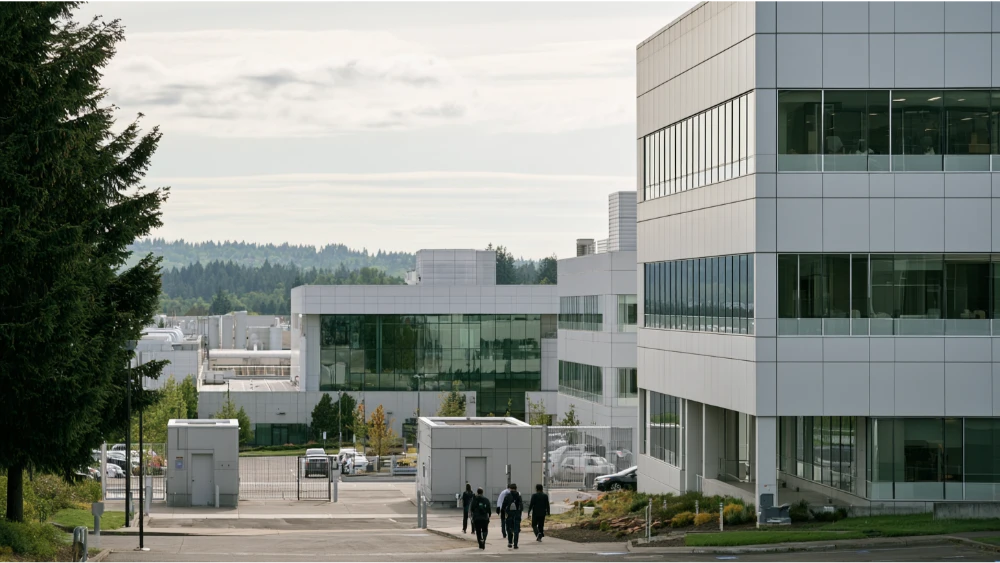
Hillsboro is the heart of Oregon’s Silicon Forest, and the numbers back that up. The area is home to about 78% of the state’s semiconductor workforce, and Intel’s Hillsboro operation ranks as its largest manufacturing site in the world. Nike and Intel are the marquee employers, but the base runs deeper: the city holds more than 15% of Oregon’s manufacturing jobs, with strong footholds in healthcare, education, bioscience, software and IT, and public-sector work. Those job opportunities draw both seasoned Intel employees and newcomers chasing a new job in tech.
That long-term base is real, but the short-term market has softened. As of August 2026, the Portland-Vancouver-Hillsboro metro unemployment rate was 4.9%, and total nonfarm employment was down 1.5% year over year. The tech sector has seen recent layoffs, which is why the City organized a 2025 career expo. The lesson for a mover is simple: Hillsboro remains a major technology and manufacturing center, but individual employer headcounts and hiring conditions can change fast. Confirm your exact worksite, schedule, and remote-work policy before you pick a place to live, because that single detail drives your whole commute decision.
Commuting and Transportation: Can You Live Here Without a Car?
You can live car-light in Hillsboro, and in some neighborhoods nearly car-free, but it depends heavily on where you land. Public transportation leans on the MAX Blue Line, which links Hillsboro with Beaverton, Portland City Center, East Portland, and Gresham, running every 15 minutes or less for most of the day. The US 26 Sunset Highway corridor handles most driving west of Portland, while the Tualatin Valley Highway carries east-west traffic through the heart of town.
Two things get oversimplified online, so here’s the accurate version. First, MAX times are station-specific. A scheduled trip from Hatfield Government Center to Pioneer Square runs about 51 minutes, while rides from Orenco or eastern Hillsboro are noticeably shorter. Don’t trust any guide that claims “35 minutes from Hillsboro” without naming a station. Second, the airport connection: the Red Line extension gives a one-seat ride to Portland International from the Hillsboro Airport/Fairgrounds station only. If you live farther west, including downtown Hillsboro, you’ll generally transfer.
The 2026 adult fare is $2.80 for two and a half hours, capped at $5.60 per day and $100 per month, though fares change, so check before you rely on them. Citywide mean commute time sits at 22.9 minutes, but that blends in local workers and doesn’t reflect a rush-hour push into Portland. Orenco and downtown make car-free living realistic and offer the shortest commute for workers headed into the urban core; the Reedville neighborhood and South Hillsboro lean car-dependent.
Hillsboro School District and Education Options
The Hillsboro School District is Oregon’s fourth-largest, with 37 schools and official 2025-26 enrollment of 18,521 students. The district’s homepage currently shows an on-time graduation rate around 90.43%, a figure that updates with each graduating class, so verify it for yourself. Math proficiency for 2024-25 sat near 29.4%, in line with broader statewide patterns.
School assignment is based on your home address, not your preference, which is exactly why the address-first mindset matters for any family with kids. Look up the assigned school using the actual property address through the district’s official enrollment pages rather than relying on third-party ratings. New-student enrollment generally requires:
- Proof of address
- Proof of the student’s legal name and age
- Health and immunization documentation
For the 2026-27 year, kindergartners must turn five by September 1, 2026. Beyond K-12, Pacific University maintains a health-professions presence for students in the health fields, and Portland Community College serves the area across four campuses for higher education and workforce training.
Hospitals and Healthcare in Hillsboro
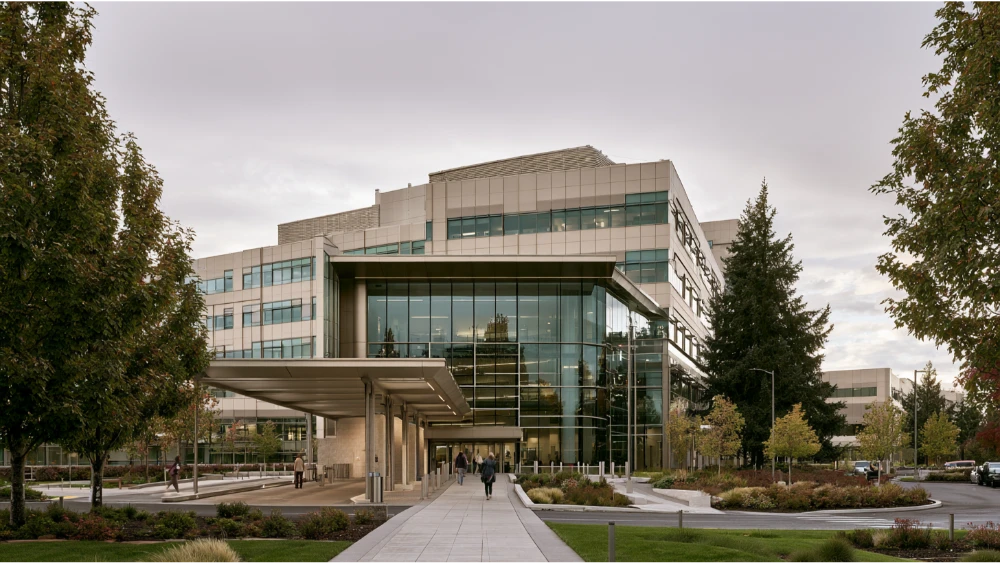
Healthcare access is one of Hillsboro’s quieter strengths. Hillsboro Medical Center, part of OHSU Health and anchored downtown, reported 215 licensed beds, a Level 2 neonatal intensive care unit, and more than 20 primary-care and specialty clinics in its FY2025 community-benefit report. Services span emergency care, cancer and heart care, orthopedics, pregnancy and birth, neurology, surgery, and rehabilitation. Primary-care locations include the downtown/8th Avenue area, Orenco Station, and South Hillsboro, so most neighborhoods have a clinic within reach. On the city’s eastern side, Tanasbourne adds a major full-service hospital campus, which rounds out coverage for residents who settle toward AmberGlen or the retail corridor.
Food, Entertainment, and Things to Do in Hillsboro
Hillsboro’s social life is easiest to understand by neighborhood. Downtown is the cultural core, with the Cultural Arts District pulling together food carts, galleries, performance spaces, and public art. The Tuesday Night Market and a lineup of summer farmers markets (five run weekly in the warm months) keep the streets busy and give community members a regular place to gather. Orenco Station leans into coffee shops, cafes, and walkable restaurants, with Longbottom Coffee a local favorite for a morning cup, while Tanasbourne is the place for broad retail and big-name shopping. South Hillsboro’s food scene is still emerging alongside new construction.
For bigger events, the Hillsboro Hops now play at a new 6,000-seat ballpark, giving families, kids, and sports fans a reliable summer draw. The Oregon International Air Show and the Washington County Fair are annual fixtures worth planning around. Community festivals like OrenKoFest round out the calendar and pull the whole community together. Schedules shift every year, so check the City’s live events calendar for current dates rather than trusting an old list.
Parks, Trails, and Outdoor Activities

If the outdoors matters to you, Hillsboro delivers. The city maintains more than 30 parks across roughly 1,600 acres, and the standouts are genuinely worth the move for an active family. For organized sports fans, the Gordon Faber Recreation Complex hosts the ballpark and athletic fields on the west side of the city. A few of the best places to explore:
- Jackson Bottom Wetlands Preserve: 635 acres with four miles of trails near downtown.
- Rood Bridge Park: known for its rhododendron garden.
- Tualatin Hills Nature Park: old-growth forest trails just east of the city.
- Orenco Woods: natural area beside the Orenco neighborhood.
- Rock Creek Trail: a long connector for walking and biking.
These parks give kids room to play and give the wider community easy access to green space close to home, with the Tualatin River winding through the broader valley. Cyclists have the Tualatin Valley Scenic Bikeway, and with roughly 142 sunny days a year, you’ll get plenty of chances to use all of it. The dry spring and summer months make Hillsboro an easy base for outdoor activities, and the wider Pacific Northwest and the rest of the country sit within driving distance for weekend trips.
Weather: What Newcomers Should Prepare For
Hillsboro’s climate follows the classic western Oregon pattern: cool, wet, overcast winters and warm, dry summers. Based on 1991-2020 normals from the Portland-Hillsboro Airport, July and August highs run near 82°F, December lows sit around 33°F, and the area sees roughly 36 inches of precipitation a year. The warm summer months are the stretch most residents look forward to. You’ll want rain gear for the long grey season and a plan for the occasional summer heat spell, winter ice event, and seasonal wildfire smoke. Keep in mind these are 30-year averages, not forecasts, so any given year can run warmer, wetter, or smokier than the norm.
What Renters Should Know About Oregon Law
Oregon gives renters meaningful protections, and knowing them before you sign helps you spot a fair lease. A few basics:
- Rent increases: For covered tenancies, the 2026 statewide cap is 9.5%. Exceptions apply, and the percentage changes annually, so not every property is capped identically.
- Screening charges: A landlord may generally charge only one applicant-screening fee per 60-day period, must use written criteria, and must provide receipts.
- Deposits: After you move out and return possession, the landlord generally has 31 days to deliver a written accounting and refund any unclaimed deposit.
- Fair housing: Oregon adds source of income, marital status, sexual orientation, gender identity, and survivor status to the federal protected classes.
This is general information, not legal advice. Working with a broker-owned, full-service manager can make compliance easier, since reputable managers handle tenant screening, rent collection, and the paperwork correctly from the start.
Your First 30 Days After Moving to Hillsboro Oregon
Oregon sets a clock the moment you establish residency, so tackle the essentials early:
- DMV (within 30 days): Get an Oregon driver’s license and title and register your vehicles.
- School enrollment: Gather proof of address, name and age documents, and immunization records for any students in the household.
- Healthcare: Set up primary care and transfer prescriptions to a local pharmacy.
- Transit: Grab a TriMet fare card if you plan to ride MAX.
- Utilities and internet: Connect service early; broadband is widely available across the city, with 96.2% of households subscribed.
- Address and insurance: Update your address everywhere and line up renter’s insurance before move-in day.
What Makes Hillsboro Fit People Moving to the Area
Hillsboro offers distinct living patterns rather than a single experience, so the smart move is to test your real situation against the place. The mix of city jobs and suburban housing just inside the city limits is a big part of what makes Hillsboro a practical choice for so many newcomers. Run through this short checklist for any address you’re considering:
- Budget: Does the rent or mortgage leave room for everything else?
- Worksite: Where is the job, and is it on-site, hybrid, or remote?
- Transit: Which MAX station or bus line is nearby, and how long is the real trip?
- School boundary: What school does this exact address feed into?
- Housing type: Apartment near rail or detached home with a yard?
- Proximity: How close are the parks, restaurants, healthcare, and entertainment you’ll actually use?
Answer those honestly and the right Hillsboro neighborhood tends to pick itself. What makes Hillsboro work for so many people moving to Washington County is that the city really does offer a neighborhood for almost every budget and lifestyle.
Make Your Move Easier with KT Rents
KT Rents is a full-service, broker-owned company that’s helped renters and owners across the U.S. since 2009, more than 16 years of real experience to lean on. We’re a nationwide rental and for-sale listing marketplace and a relocation resource, which means we can help you compare options and get your numbers straight no matter where you’re headed. Start with our Cost of Living, Rent vs. Buy, and Mortgage calculators to pressure-test your budget, then check current availability through our nationwide marketplace and submit a rental application where one’s open. Our renter tools, including online rent payment and maintenance requests, keep things simple after move-in. Ready to talk it through? Call us at (800) 716-4950 or browse the marketplace today.
Frequently Asked Questions
Is Hillsboro, Oregon a good place to live?
For many renters and relocating workers, yes. It’s a growing Portland-area employment center with MAX access, a strong tech and manufacturing base, two hospital campuses, and more than 30 parks. The main tradeoff is housing cost, and because daily life varies so much by neighborhood, the real answer depends on the specific address you choose.
What is the downfall of living in Oregon?
The two most common complaints are the long grey, wet winters and the high cost of housing in metro areas like Hillsboro and Portland. Oregon also has a personal income tax, though it balances that with no general sales tax, which can work in your favor depending on your spending.
Does it rain a lot in Hillsboro, Oregon?
Winters are wet and overcast, and the area averages roughly 36 inches of precipitation a year. That said, Hillsboro gets about 142 sunny days annually, and summers are warm and dry, so the rain concentrates in the cooler months rather than falling year-round.
How long does MAX take from Hillsboro to Downtown Portland?
It depends on your station. A scheduled trip from Hatfield Government Center to Pioneer Square runs about 51 minutes, while Orenco and eastern Hillsboro stations are shorter. The Blue Line runs every 15 minutes or less for most of the day.